Buying from Asia or Europe can look similar at checkout, but delivery differs. Seller location affects delivery time, return costs, paperwork, and arrival charges.
Still, marketplace, route, destination, and item type matter just as much. This guide compares trade-offs before a low price becomes a difficult return or surprise fee.
Price Is More Than the Number on the Product Page
The displayed price rarely shows an order’s complete cost. Review shipping, conversion, and taxes before calling a listing cheaper.
Compare the Final Total, Not the Starting Price
An item from an Asian retailer may cost less because of seller pricing or marketplace competition. That saving can shrink once delivery, card fees, and import charges are added.
A European seller may list a higher price while including taxes or lower-cost regional delivery for nearby buyers. Compare the checkout total with the landed cost due after the parcel enters your country.
Check How Payment Is Processed
Banks and marketplaces do not always use the same exchange rate. Some cards add a foreign-transaction fee, while payment wallets may show a conversion charge before approval.
Check whether the order is billed in your currency or the seller’s, then choose a method with clear fees and purchase protection. Keep the payment confirmation until the order is checked.
Delivery Depends on the Route, Not Just the Region
Distance affects delivery time, but service level and handoffs shape the journey. Check dispatch location and tracking coverage, because a nearby warehouse may beat an overseas fulfillment hub.
Asian Marketplace Orders May Take More Steps
Many Asian marketplaces use economical services that combine parcels before export. A package can pass through several hubs, customs facilities, and destination carriers before delivery.
This may create tracking gaps and wider estimates, especially with low-cost shipping, but it does not automatically mean the order is lost. Choose tracking for products that are urgent, valuable, or hard to replace.
Also Read: How to Match Price Expectations to Quality

European Sellers Can Be Easier for Nearby Buyers
Buyers within Europe may face fewer border procedures when the seller ships from the same customs area. That can support steadier updates and more practical delivery windows.
Buyers outside the region can still face customs, extra carriers, and international delays, so a European listing is not automatically faster. Confirm the shipping origin and arrival range before payment.
Customs and Product Rules Can Change the Real Cost
A parcel crossing borders may be reviewed for value, classification, or restrictions. Duties depend on local thresholds, declared value, and the buyer’s rules, not simply on whether the seller is in Asia or Europe.
Know When Taxes Are Collected
Some marketplaces collect tax at checkout, while others leave duties and handling fees for the carrier to request later.
The result can depend on the item, origin, order value, and shipping arrangement. Read shipping terms to see whether charges are prepaid or included, or due on arrival.
Use official customs guidance for your country instead of old comments, screenshots, or marketplace guesses.
Treat Regulated Items With Extra Care
Electronics, cosmetics, batteries, supplements, toys, and child-related products may need specific labels or documentation.
A listing can look legitimate but still be unsuitable for use or import where you live. Check the model number, plug type, voltage, ingredients, and return policy before ordering.
This matters most when the item could cause a safety concern or need a local warranty.
Return Policies and Support Often Decide the Better Deal
The lowest-priced listing is not always best when a return costs nearly as much as the item.
Before paying, review the refund process and proof requirements rather than assuming a platform will solve every issue quickly.
Long-Distance Returns Can Be Impractical
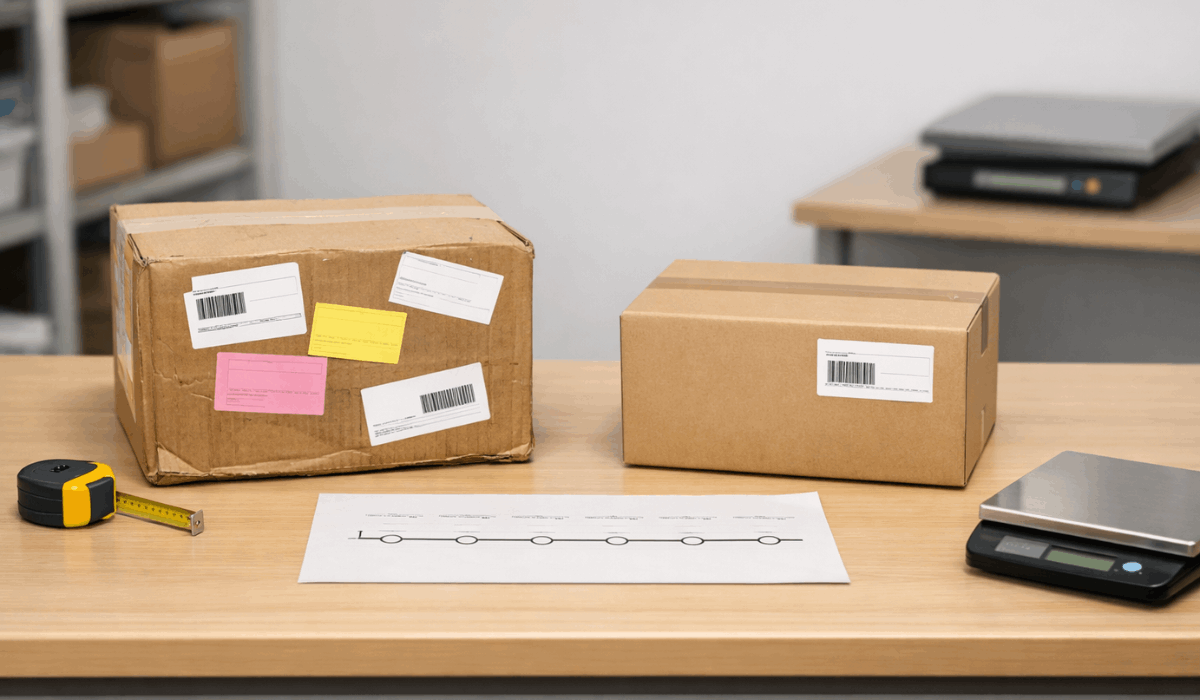
Returning a package across continents may require costly postage, customs forms, and weeks of waiting.
A seller may offer a partial refund instead, but that may not solve an unsafe, damaged, or incorrect order.
Check the return period, whether a local return address exists, and who pays return shipping. Payment methods with dispute support provide a record if the seller stops replying.
Written Terms Matter More Than Regional Assumptions
European sellers may have consumer duties that are clearer for nearby buyers, but policies still vary by country, merchant, and item.
Asian sellers can also offer platform-backed dispute systems through established marketplaces. Focus on written terms, response history, and documentation instead of broad assumptions about location.
For purchases involving EU traders, EU consumer rights is a useful anchor for checking cancellation and warranty expectations.
Use Specific Evidence to Judge the Listing
Regional stereotypes do not reveal whether a product meets your needs. Look for recent buyer photos, complete specifications, and a clear process for problems.
Product Details Should Match Everyday Use
Read recent reviews for sizing, materials, packaging, and whether the item matched the description. Customer images can show color, scale, and finish better than polished listing photos.
Be cautious when specifications are vague, descriptions are copied, or branded goods cost far below normal retail levels. Save screenshots of the item details and delivery promise before payment.
A Short Check Before Checkout Helps
Take a few minutes to compare the listing with your deadline, budget, and tolerance for delays. These points cover most routine purchases:
- Dispatch location and delivery estimate.
- Taxes and duties due now or later.
- Return terms and buyer protection.
Small accessories and non-urgent hobby items may suit slower shipping. A gift, replacement device, or regulated item may justify a local seller, faster service, or a clearer warranty route.
Build a time buffer and keep all order records until the item has been checked.
Final Check Before You Choose
Buying from Asia or Europe is not automatically better or worse; it depends on the seller, route, and item.
Compare the total cost, delivery reliability, and work involved if a problem appears after arrival.
Verify customs terms, payment protection, and return conditions before treating a low price as a true saving. A careful review helps you spend according to your budget and practical needs.