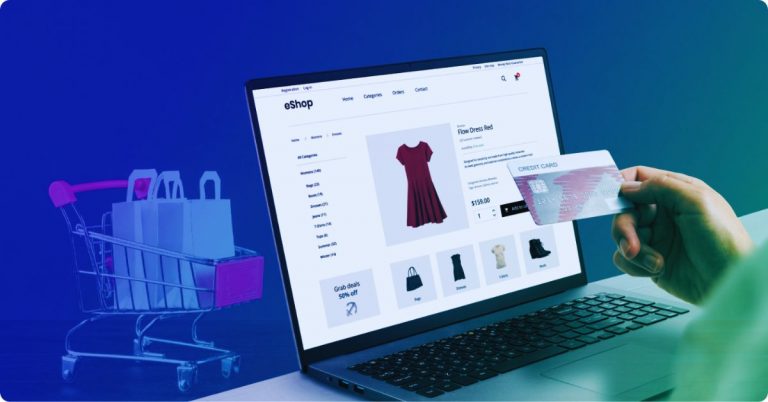
International shopping is easy, but the delivery option can determine whether an order arrives smoothly or becomes a support problem.
A low fee may bring long tracking gaps, while a premium service can bring faster scans and import charges. International shipping methods shape delivery timing, parcel visibility, and the proof available if a package disappears.
This guide compares economy, registered, and express services so buyers can match shipping to the item and deadline.

The Shipping Choice Shapes More Than the Arrival Date
A shipping label puts a parcel into a network with its own handoffs, priorities, and support process. The selected service affects what buyers can see, how quickly delays appear, and who handles delivery.
Routes Create Different Waiting Periods
Economy parcels are grouped before departure, lowering prices but creating longer waits at sorting hubs. They can pass through postal operators, airline cargo partners, and local delivery offices before arrival.
Express packages usually move through controlled hubs with fewer transfers and clearer processing targets. That is why orders bought on the same day may arrive weeks apart without any unusual action by the seller.
Tracking Should Be Read With Patience
Tracking is a record of scans, not a real-time map. Lower-cost services may update only at major checkpoints, so a quiet period does not always mean a parcel is lost.
Registered tracking gives more key events, while couriers offer frequent updates and delivery estimates. Keep the order confirmation and use the carrier’s official tracking page instead of marketplace alerts.
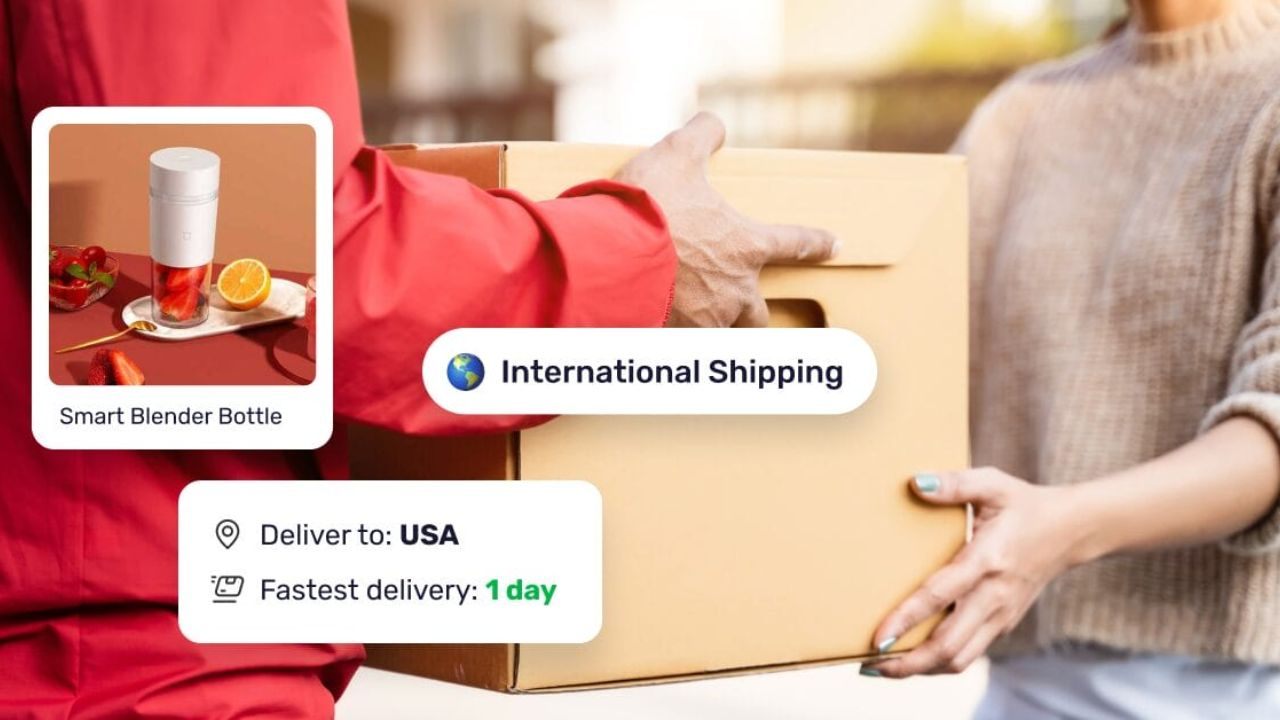
Economy Delivery Is for Flexible, Low-Risk Orders
Economy shipping can suit inexpensive purchases without a deadline. Its lower price comes with less control over transit and fewer options when progress slows.
Bulk Handling Explains Most Delays
Economy shipments often wait for shared cargo space, then enter another queue after reaching the destination postal system. Those pauses can be longer during customs checks, weekends, and high-volume periods.
Tracking gaps are normal with this service, particularly when parcels cross several borders. Treat the estimated arrival window as a guide, not a promise, when timing matters.
Items That Usually Suit Economy Mail
A phone case, basic clothing, craft materials, or another low-value item may be a reasonable match for economy delivery.
Fragile goods, limited-edition products, and important documents are harder to justify when replacement or return is difficult.
Consider whether a late arrival would create more trouble than the shipping savings are worth. Ordering early makes budget shipping far less frustrating.
Also Read: Tracking International Packages Step by Step

Registered Services Add Evidence Without Courier Pricing
Registered international mail offers more reassurance than basic postal shipping. The added record of movement can be worthwhile for purchases that matter but are not urgent.
Useful Records When an Order Is Questioned
Registered parcels are scanned at selected points and may include a signature or recorded handoff, depending on the destination.
These events show whether an order entered the network, reached the local area, or was delivered.
Delivery confirmation can support a marketplace claim when dates are disputed. It will not prevent a customs delay, but it provides a clearer paper trail if something goes wrong.
When the Added Fee Makes Sense?
This service can suit moderately priced products, limited stock, or an inconvenient return process. It also helps buyers who can wait but do not want an untracked envelope.
Mid-value purchases often benefit most because the added fee remains manageable while the claim record is stronger. Before paying, check whether tracking continues in the destination country.

Express Couriers Prioritize Speed and Clearer Support
Private couriers use dedicated hubs, structured scans, and direct support channels. They may suit urgent or valuable orders, although speed does not remove customs rules or address errors.
Predictable Movement Matters for Deadlines
Courier parcels receive prioritized handling and generally spend less time waiting for shared transport capacity. Buyers can see detailed tracking for customs status, delivery attempts, and estimated arrival dates.
That visibility helps with work replacements, permitted medical supplies, or a firm occasion. Still, leave a buffer for public holidays, remote locations, and unexpected inspections.
Customs Can Add Costs as Well as Time
Couriers may prepare customs documents early and contact the receiver when identification or payment is required.
This can improve clearance, yet it also makes import charges visible before delivery. Check the duty threshold, whether taxes are prepaid, and any possible brokerage fee before ordering.
Fast shipping loses value when surprise charges make the total much higher than expected.
Choose Based on the Purchase, Not the Cheapest Banner
The right service depends on item value, replaceability, and the consequence of late delivery. Reviewing these points before payment is wiser than expecting low-cost shipping to act like a courier.
A Brief Check Before You Confirm
First, compare the stated delivery range with the day the item is actually needed, leaving room for customs or a failed delivery attempt.
Then review the seller’s international dispatch record and whether the listed tracking is meaningful in your country. Use this short pre-check:
- Low-cost, non-urgent items: economy service may be enough.
- Mid-priced purchases: registered mail can add useful proof.
- Valuable or urgent orders: express delivery may justify its fee.
Small Errors Can Create Big Delays
Do not choose an untracked method for an item you cannot afford to lose, even when the saving looks minor.
Confirm the address, postal code, and phone number because an address mistake can delay a premium service.
Review return terms and carrier restrictions for batteries, cosmetics, food, or other restricted goods. These details matter more than a broad “worldwide shipping” claim.
Conclusion
Treat shipping as part of the purchase, not a small charge added at the final screen. Economy delivery can suit flexible, inexpensive orders, while registered service provides stronger evidence for purchases needing protection.
For valuable or deadline-sensitive items, verify total cost, customs process, and delivery range on the carrier’s official page. That final check helps buyers pay for the support and certainty they actually need.