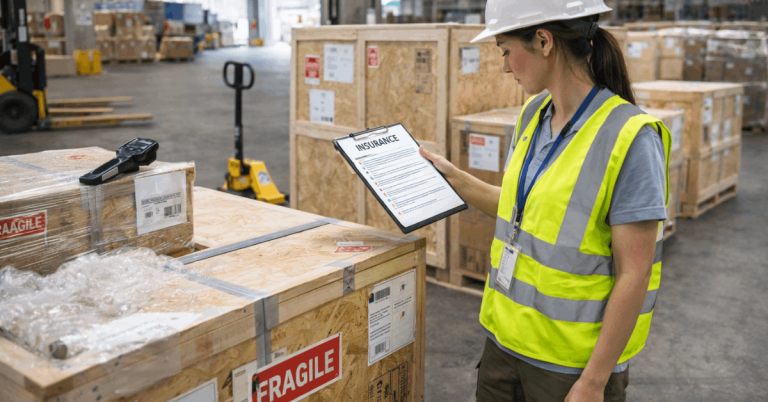
Buying internationally for the first time gives you access to products not available locally.
First-time purchases often involve risks related to sellers, product quality, pricing, and delivery.
This guide explains what you should check before placing your first international order.
Understanding International Marketplaces
International marketplaces connect buyers with sellers located in other countries, often operating under different rules and standards.
You must expect differences in pricing, product descriptions, delivery processes, and buyer protection.

Evaluating Seller Reliability
Evaluating seller reliability helps you reduce the risk of scams, poor-quality products, and delivery problems.
You should always review seller data before placing an international order.
- Seller ratings – Check overall scores to see how other buyers rate their experience.
- Review consistency – Look for detailed reviews that mention product quality and delivery.
- Sales history – Higher order volume usually indicates a more established seller.
- Recent feedback – Focus on the latest reviews to identify current issues.
- Response behavior – Reliable sellers reply promptly and clearly.
Product Quality Expectations
Product quality expectations must be realistic when buying internationally, especially for first-time buyers.
You should expect variations between listings and the actual item.
- Product photos – Images may be enhanced and may not fully reflect the actual materials or size.
- Descriptions and specifications – Details may be incomplete or poorly translated.
- Material quality – Lower prices often mean lighter materials or simpler finishes.
- Buyer photos and reviews – Real images help confirm how the product actually looks.
- Brand authenticity – Some listings imitate branded designs without official quality control.
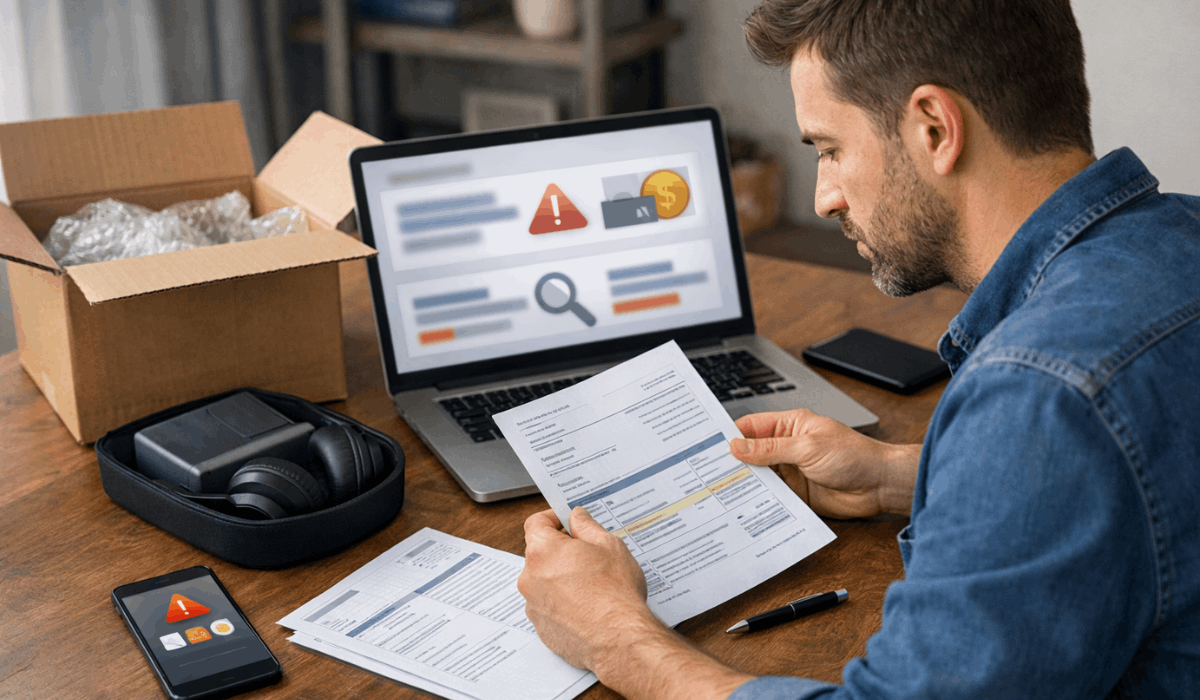
Pricing, Taxes, and Hidden Costs
Pricing, taxes, and hidden costs determine what you actually pay after the order is completed.
You should always calculate the full cost before confirming payment.
- Item price vs final cost – The listed price rarely reflects the full amount charged at delivery.
- Duties and VAT – Import taxes are often billed separately by customs authorities.
- Service and handling fees – Platforms or couriers may apply processing or clearance charges.
- Currency conversion costs – Exchange rates and conversion margins can raise the total price.
- Payment processing fees – Some cards and wallets add international transaction fees.
Delivery Times and Shipping Methods
Delivery times and shipping methods affect when and how your order arrives. You should expect greater variability than with local deliveries.
- Standard shipping – Lower cost, but slower transit and fewer tracking updates.
- Express shipping – Faster delivery at higher fees with better tracking.
- Tracking availability – Updates may pause during international transit stages.
- Transit delays – Weather, holidays, and customs volume often slow shipments.
- Last-mile delivery – Local carriers handle final delivery with varying reliability.
Customs, Inspections, and Import Rules
Customs, inspections, and import rules can impact delivery time and order approval. You must understand how clearance works in your country.
- Customs processing – Packages are reviewed before entering domestic circulation.
- Documentation checks – Missing invoices or values are common causes of clearance delays.
- Restricted items – Certain goods are subject to legal restrictions or require permits.
- Declared value limits – Higher-value orders receive closer inspection.
- Random inspections – Some shipments are delayed without prior notice.
Payment Safety and Buyer Protection
Payment safety and buyer protection reduce financial risk when shopping internationally. You should confirm safeguards before checkout.
- Secure payment methods – Credit cards and escrow systems offer stronger protection.
- Platform-managed payments – Payments held by platforms lower seller-related risk.
- Dispute filing windows – Claims must be submitted within strict deadlines.
- Refund eligibility rules – Not all issues qualify for full reimbursement.
- Chargeback options – Banks may provide additional recovery paths.
Returns, Refunds, and After-Sales Support
Returns, refunds, and after-sales support are more complex with cross-border orders. You should review policies in advance.
- Return shipping costs – Buyers often cover international return postage.
- Extended timelines – Refunds take longer due to transit delays.
- Seller return approval – Some sellers require authorization before returns.
- Platform dispute mediation – Platforms may step in to resolve conflicts.
- Partial refunds – Common when items differ slightly from listings.
Communication Barriers and Language Issues
Communication barriers and language issues can slow problem resolution. You should keep communication clear and documented.
- Language limitations – Seller responses may be brief or unclear.
- Automated translations – Translated messages can lose important details.
- Time zone differences – Replies may take longer than expected.
- Screenshots and evidence – Visual proof helps explain issues quickly.
- Clear written messages – Short, direct wording reduces confusion.
Platform Transparency and Legal Information
Platform transparency and legal information help you judge whether a marketplace is legitimate. You should verify who operates the platform.
- Registered business details – Legitimate platforms disclose company registration information.
- Terms and conditions – Clear rules explain buyer and seller responsibilities.
- Privacy and data policies – Data handling practices should be easy to find.
- Contact information – Real support channels increase accountability.
- Policy update history – Regular updates suggest active platform management.
Marketplace Reviews vs Independent Reviews
Marketplace reviews vs independent reviews show different levels of reliability. You should compare both sources.
- On-platform reviews – May be moderated or filtered by the marketplace.
- External review sites – Offer broader buyer experiences.
- Consistent complaints – Repeated issues across sites indicate real problems.
- Timing of reviews – Sudden positive spikes can be misleading.
- Detail level – Longer reviews usually reflect real purchases.
Packaging Standards and Damage Risks
Packaging standards and damage risks affect the product’s condition upon arrival. You should expect longer handling routes.
- Basic packaging – Some sellers use minimal protection.
- Transit handling – Multiple checkpoints increase the risk of damage.
- Fragile item labeling – Not always respected internationally.
- Insurance options – Some shipping methods include coverage.
- Photo evidence on arrival – Helps support damage claims.
Warranty Coverage and Validity
Warranty coverage and validity vary across borders. You should confirm coverage before buying.
- Local warranty limits – Many warranties are region-specific.
- Seller-provided warranties – Coverage terms differ by seller.
- Return-to-seller repairs – Often required for claims.
- Proof of purchase – Required for any warranty request.
- Repair turnaround time – International repairs take longer.
When International Buying Is Worth It
When international buying is worth it depends on the value and risk balance. You should assess benefits carefully.
- Unique products – Items unavailable locally justify cross-border buying.
- Significant price gaps – Savings must exceed added costs.
- Non-urgent purchases – Long delivery times are acceptable.
- Low-return risk items – Products unlikely to require returns.
- Trusted platforms and sellers – Reduce overall risk.
Common Mistakes First-Time Buyers Make
Common mistakes first-time buyers make increase the risk of loss or frustration. You should avoid assumptions.
- Overlooking policy details – Fees and conditions are often skipped.
- Trusting labels without checks – Terms like “original” vary by seller.
- Ignoring delivery estimates – Timelines are not guaranteed.
- Skipping seller research – Leads to unreliable buying experiences.
- Rushing checkout decisions – Increases error and dispute risk.
Tips for a Safer First International Purchase
Tips for a safer first international purchase help you reduce risk early. You should test the process carefully.
- Start with low-value items – Limits financial exposure if problems occur.
- Choose established sellers – Experience often signals better reliability.
- Use protected payment options – Avoid direct or off-platform payments.
- Monitor tracking updates – Stay aware of delays and deadlines.
- Save all records – Keep receipts, messages, and screenshots.
Final Considerations
Buying internationally for the first time requires patience, verification, and realistic expectations.
You reduce risk by checking sellers, understanding costs, and planning for longer delivery timelines.
Use this guide before placing your next international order and apply these checks to shop with confidence.