Online shopping is easier than ever, but international orders come with added risks. What to Expect When Buying Internationally Online includes more than just shipping delays—it covers hidden fees, product quality issues, and refund challenges.
If you’ve only bought locally before, global shopping might surprise you. This article breaks down the key areas where expectations often don’t match reality.
Delivery Times Are Not Always Accurate
Estimated delivery dates on international sites often change. Buyers need to prepare for uncertainty when placing cross-border orders.

Some platforms show a “guaranteed” date, but delays still happen due to customs or third-party couriers. Packages may take 2 to 6 weeks, depending on the origin country and shipping method.
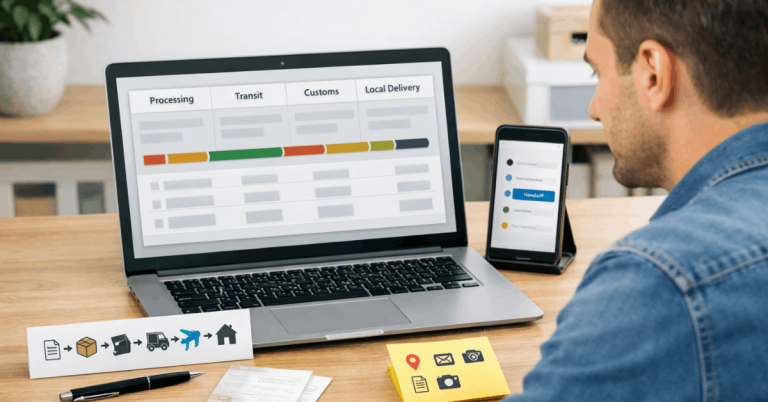
Sellers may not always update tracking, leaving you in the dark. Courier hand-offs can also cause tracking gaps or conflicting updates. If your item is urgent, international delivery isn’t the safest bet.
Customs, Import Fees, and Hidden Charges
Your cart total isn’t the final price. Unexpected fees often appear at delivery or during customs clearance.
Many buyers report being asked to pay customs duties, VAT, or service charges before their items are released. These charges vary by country and may not be included at checkout.
Carriers like DHL or FedEx often charge handling fees in addition to tax. Lower-cost shipping options may avoid these fees but come with slower service and no tracking. Budget items can double in cost once duties are added.
Product Quality Can Vary Greatly
Low prices don’t always mean poor quality, but buyers must read carefully. Misleading listings are a common issue.
Photos may show premium materials, but the real product can feel different. Fabric thickness, color accuracy, and build quality often vary across sellers.
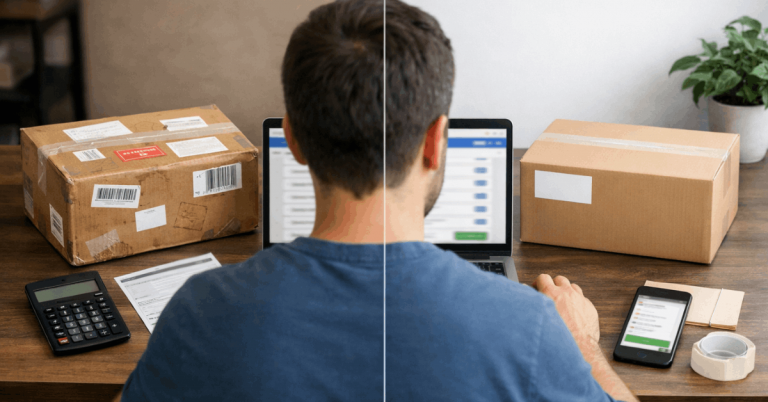
When items are sourced from manufacturers directly, packaging may be minimal and quality checks limited. Buyer photos in the reviews are often the most honest reference. If there are no photos, you’re taking a bigger risk.
Quick Checklist Before You Buy Anything Cheap
Use this pre-check to avoid the most common issues with international orders. A few steps can prevent weeks of frustration.
- Read at least 5 buyer reviews with photos, not just the overall rating. This shows what the product looks like after delivery.
- Check estimated delivery window and seller origin. Longer windows mean higher risk of delays.
- Look for signs of professional listing formats like real product specs, shipping terms, and return info.
- Avoid vague or overhyped descriptions. If it says “high quality” without proof, stay cautious.
- Search for the same product from multiple sellers to spot differences in images and pricing.
When Are Cheap Products Actually Worth It?
Some categories deliver great value at low prices. Others fail even basic expectations.
Products with simple materials and designs are safer to buy. Socks, stationery, charging cables, kitchen tools, and home décor usually perform as expected.
If the item is a copy of something you’ve owned before, you’ll know what to expect. Small, lightweight items also avoid most customs issues. Clothing basics, like plain T-shirts, can be worth it when fabric is listed clearly.
High-Risk Items to Avoid on Global Platforms
Certain items tend to disappoint international buyers. The risk often outweighs the savings.
Electronics that aren’t from major brands often have poor performance, short lifespans, or no safety certification. Shoes and fitted clothing have a high return rate due to size mismatches.
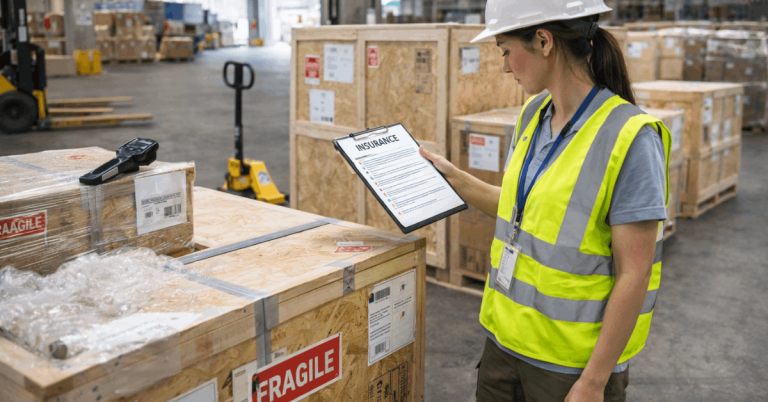
Skincare and cosmetics may not meet local safety standards and are difficult to return. Complex tools, machines, or furniture may arrive damaged or incomplete. The more moving parts or size variables, the greater the risk.
Platform Support, Refunds, and Disputes
Refund policies sound fair—but success depends on how you file them. Each platform has its own process and timeline.
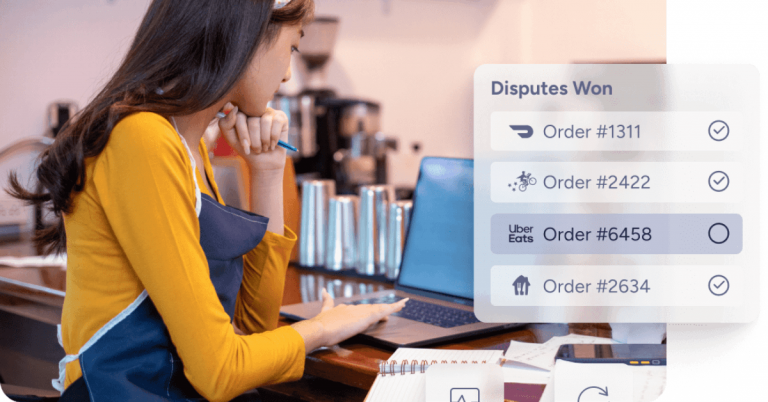
Some marketplaces require proof photos or video within a limited dispute window. If the product is delayed but marked “delivered,” starting a case can be difficult.
Buyers should document unboxing to support refund claims. Refunds may take 1–3 weeks after approval. Platforms often side with the seller unless clear evidence is provided.
Two Key Areas Where First-Time Buyers Struggle
Many new buyers run into problems not because of the product, but due to poor preparation. These two areas account for the most negative reviews.
Language Barriers and Seller Communication
Sellers may use machine translation, leading to confusing answers. Product details, especially measurements, often lose clarity in translation.
If you’re asking a question, write simply and use short sentences. Screenshots of the product can help clarify what you’re referring to. Patience and clarity are key to avoiding disputes.
Return Shipping Costs and Complexity
Returning an item internationally is often more expensive than the product. Few platforms offer prepaid return labels for cross-border returns.
Buyers must usually ship the item at their own cost, track it, and wait for manual inspection.
Refunds are only given after confirmation, which adds weeks. For most low-cost items, it’s better to request a partial refund.
Signs of a Reliable Seller on International Platforms
Seller quality is not just about ratings. Look for these key signs before clicking “buy.”
Detailed Descriptions and Spec Clarity
Good sellers list real measurements, material types, and packaging details. Vague listings or missing details often signal trouble.
Look for listings that include size charts, weight, and origin. Multiple product angles in images also show preparation. If something is unclear, ask before purchasing.
Consistent Review Volume Over Time
Sellers with regular positive reviews over many months are more trustworthy. Spikes in ratings or too many 5-star reviews in one week could signal manipulation.
Older reviews give better insight into long-term reliability. Platforms like AliExpress or Shopee often show review timelines. Balance recent feedback with long-term performance.
Platform Features That Help You Buy Smarter
Most international marketplaces offer built-in tools. Learn how to use them before placing your order.
Wishlist and price-drop alerts help you track safer deals over time. Some platforms allow “buy from same seller” to reduce shipping costs.
Shipping method selectors let you compare fast vs. economy options with customs handling. Chat features allow direct contact for clarification. Many buyers miss these tools, but they can reduce risk and improve satisfaction.
Final Checks Before Payment
One last review before you check out can save money and stress. Take 60 seconds to check these areas.

Confirm the delivery address and country format—mistakes here can delay customs processing. Double-check item specs like color, size, or variation selected.
Review estimated delivery and dispute window—these matter if there’s a problem. Take a screenshot of your order summary before placing it. Once placed, monitor tracking updates every few days.
Don’t Be Surprised: Set Realistic Expectations
New shoppers often expect perfection, but international orders require flexibility. What to Expect When Buying Internationally Online includes minor issues like delays, differences in quality, or fees.
It’s not about avoiding problems entirely, but reducing how often they happen. With a smart checklist and patience, you can shop globally without regret.