International shipping delays are a common part of buying from overseas marketplaces.
These delays affect delivery times, buyer expectations, and how you judge seller reliability after purchase.
Understanding where delays usually happen helps you make better buying decisions and avoid unnecessary frustration.
Seller Processing Delays Before Shipping
Seller processing delays often happen before the package is handed to the carrier.
These delays affect dispatch timing, tracking activation, and your overall delivery experience.
- Slow order confirmation – Some sellers take longer to confirm payments or review orders, delaying the start of fulfillment.
- Extended handling time – Listings may show short handling times, but actual preparation can take longer due to workload or staffing limits.
- Inventory not actually available – Sellers sometimes list items as in stock even when supplies are low or pending restock.
- Batch fulfillment practices – Orders may be grouped and shipped together, causing individual packages to wait before dispatch.

Seller Reliability and Dispatch Practices
Seller reliability plays a major role in how quickly your order leaves the warehouse.
Weak dispatch practices often lead to shipping delays, tracking confusion, and lower buyer trust.
- Late dispatch confirmation – Some sellers mark orders as shipped later than promised, extending the waiting period before transit begins.
- Tracking numbers issued but inactive – Tracking may be provided before the package is handed to the carrier, creating false progress.
- Changing shipping promises – Delivery estimates may shift after purchase, indicating poor planning or overcommitment.
- Poor seller communication – Slow or unclear responses make it harder to confirm whether an order has actually been dispatched.
Customs Clearance Delays Buyers Commonly Face
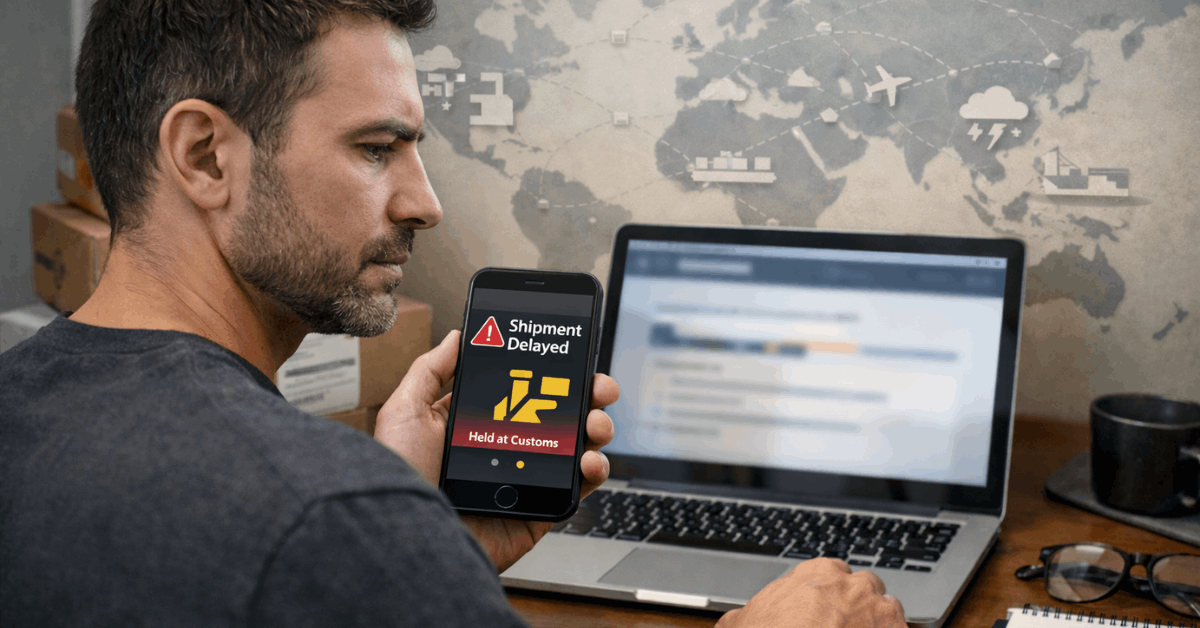
Customs clearance is one of the most frequent causes of international shipping delays.
These delays affect delivery estimates, tracking status, and the timing of your package’s release for local delivery.
- Incomplete or vague product descriptions – Poor item details make it harder for customs to verify contents, leading to inspections or holds.
- Incorrect declared value – Undervalued or mismatched pricing can trigger manual review and delay clearance.
- Random inspections – Some shipments are selected for checks even when the paperwork is correct.
- Unpaid duties and taxes – Packages may be held until required fees are paid by the buyer.
Checkout Information Errors That Slow Delivery
Incorrect checkout details are a common cause of preventable shipping delays. These errors affect carrier routing, customs processing, and final delivery accuracy.
- Incorrect address formatting – Missing street details or wrong order of address fields can cause routing failures.
- Missing phone number or email – Carriers and customs may be unable to contact you for verification or payment.
- Name mismatches – Differences between the buyer’s name and customs records can delay clearance.
- Incomplete unit or building details – Apartments or offices without full identifiers often require manual delivery handling.
International Carrier Transfers and Tracking Gaps
International shipments often pass through multiple carriers before reaching you.
These transfers can create tracking gaps, status delays, and confusion about where your package is.
- Export carrier handoff delays – Packages may wait at export hubs before being transferred to the next carrier.
- Tracking updates are stopping temporarily – Tracking can pause while the package moves between carrier systems.
- Delayed local courier pickup – Arrival in the destination country does not mean immediate delivery.
- Unclear or generic status messages – Tracking updates may not reflect real-time movement, causing uncertainty.
Shipping Method and Route Choices
The shipping option you choose directly affects how long international delivery takes.
Different methods and routes influence transit speed, handling frequency, and overall delivery reliability.
- Economy versus express shipping – Economy options move more slowly and wait longer at hubs, while express shipments are prioritized.
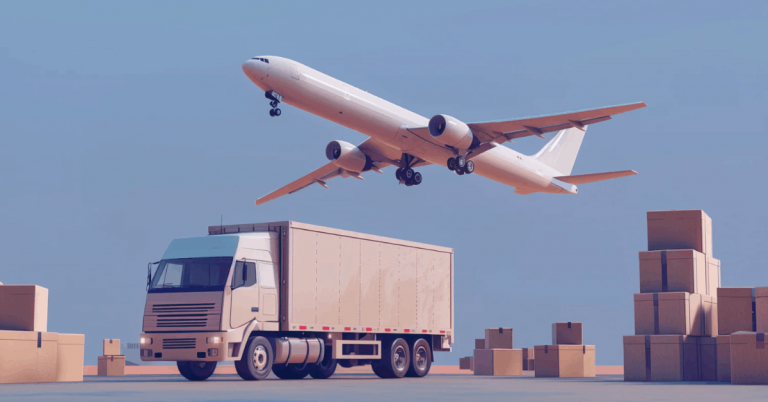
- Air freight versus sea freight – Air transport is faster but limited, while sea freight involves longer transit and port processing.
- Remote or rural delivery routes – Destinations outside major cities often require extra handling steps.
- Multi-country transit paths – Packages passing through several countries face more inspections and transfer delays.
Sales Events and High-Volume Periods
International shipping delays increase during major sales and peak shopping seasons.
High order volume affects seller processing, warehouse flow, and carrier capacity.
- Marketplace sales campaigns – Large promotional events create sudden spikes in order volume, slowing dispatch.
- Holiday shopping surges – Seasonal demand overwhelms fulfillment centers and transport networks.
- Warehouse congestion – Packed facilities take longer to sort, pack, and release shipments.
- Limited carrier capacity – Carriers prioritize certain routes and services when volume exceeds capacity.
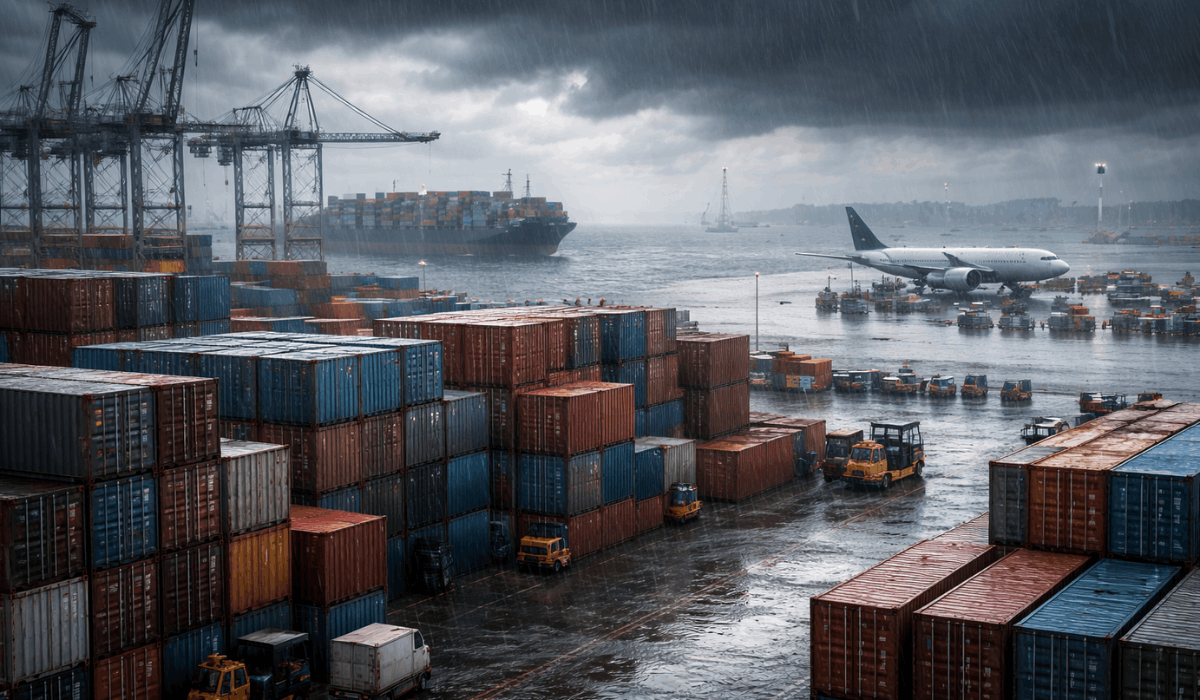
Weather and Transport Disruptions
Weather and transport issues can delay international shipments without warning. These disruptions affect transit schedules, hub operations, and final delivery timelines.
- Severe weather conditions – Storms, heavy rain, or snow can stop flights and delay ground transport.
- Port congestion – Bad weather or backlogs can slow unloading and container movement.
- Airport closures – Temporary shutdowns disrupt air cargo schedules and require rerouting.
- Seasonal transport disruptions – Certain times of year increase the risk of weather-related delays.
Destination Country Rules and Local Delivery Limits
Each destination country applies its own import and delivery rules.
These limits affect customs release, last-mile delivery, and whether your package can reach you at all.
- Restricted or prohibited items – Some products are blocked or require special permits, causing delays or returns.
- Sudden regulation changes – Import rules can change without notice, holding shipments mid-process.
- Local holidays and non-working days – Public holidays pause customs and courier operations.
- Limited last-mile coverage – Remote areas may have fewer couriers, which can extend delivery times.
Payment, Duties, and Clearance Approval Delays
Financial steps can delay the release of international shipments.
These delays affect customs clearance, tracking progress, and the timing of your package’s approval for delivery.
- Unpaid customs duties or taxes – Shipments are held until the buyer settles the required fees.
- Missed payment notifications – Emails or messages may go unnoticed, extending the hold period.
- Payment verification delays – Customs or brokers may take time to confirm received payments.
- Broker processing time – Clearance agents handle multiple cases, which can slow approval.
Marketplace Resolution and Investigation Delays
When a shipment is delayed, marketplaces may start a formal review.
These investigations affect refund timing, delivery confirmation, and final case resolution.
- Delivery investigation periods – Platforms wait for carrier confirmation before taking action.
- Seller response deadlines – Sellers are given time to reply, which extends resolution timelines.
- Carrier verification delays – Marketplaces rely on carrier data that may update slowly.
- Platform decision timelines – Final decisions follow internal review steps and are not immediate.
How Buyers Can Reduce Shipping Delays
While not all delays are avoidable, your actions as a buyer can reduce risk.
Careful preparation improves delivery speed, tracking accuracy, and overall buying experience.
- Review seller shipping history – Past buyer feedback often reveals consistent dispatch delays or reliability issues.
- Read delivery-focused reviews – Look for comments about actual delivery times, not just product quality.
- Confirm import rules before buying – Checking restrictions helps avoid customs holds or returns.
- Choose realistic shipping options – Selecting methods with clear timelines reduces disappointment and delays.
To Wrap Up
International shipping delays are common, but most follow clear and predictable patterns.
Understanding how seller reliability, shipping methods, and marketplace processes affect delivery helps you avoid unnecessary frustration.
Use these insights before your next purchase to choose better sellers, set realistic expectations, and shop with confidence.