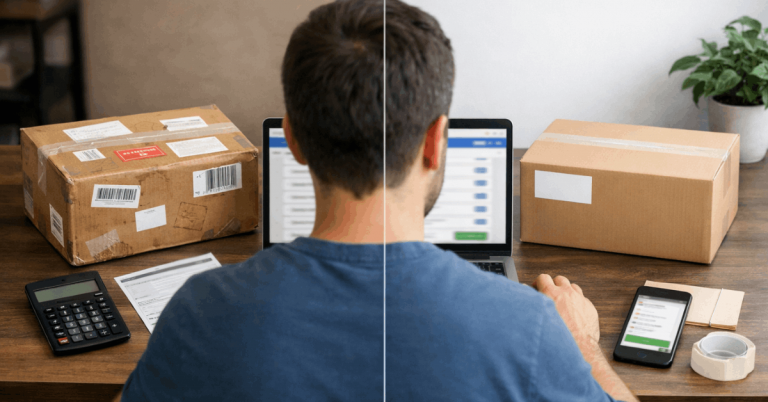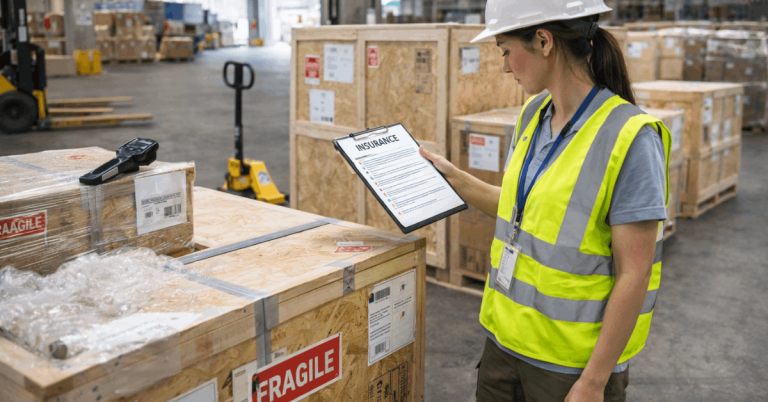
Holidays often slow down international deliveries in ways many buyers do not expect.
Shipping volume increases, sellers pause operations, and carriers work on reduced schedules during these periods.
This guide helps you understand what changes during holidays so you can plan your purchases and avoid unnecessary delays.
Why Holidays Impact Shipping
Holidays affect shipping at every stage of the delivery process. These are the main factors you should understand before ordering.
- High Order Volume – More purchases during holidays overload warehouses and carriers.
- Reduced Carrier Staffing – Fewer workers lead to slower pickups and deliveries.
- Warehouse Backlogs – Sorting centers process packages later than usual.
- Customs Slowdowns – Border offices close or operate with limited hours.
- Seller Downtime – Some sellers pause fulfillment or ship orders late.
Major Holiday Periods That Delay Deliveries
Some holidays often cause predictable, widespread delivery delays in international shipping.
These periods affect sellers, carriers, and customs officials simultaneously. You should be extra cautious when ordering during the following holidays.
- Chinese New Year – Factories and sellers in Asia shut down for one to two weeks.
- Black Friday and Cyber Monday – Order volume spikes and overwhelms carriers.
- Christmas and New Year – Carrier schedules shrink, and delivery backlogs grow.
- Golden Week (Asia) – Regional shutdowns slow production and export processing.
- Local National Holidays – Seller or destination country holidays pause shipments.
How Carriers Handle Holiday Shipping
Shipping carriers adjust their operations during holidays to manage high demand and limited resources.
These changes directly affect delivery speed and tracking reliability. Here is how carriers typically handle holiday shipping.
- Reduced Pickup Schedules – Fewer collection days slow dispatch times.
- Delivery Cutoff Dates – Orders received after certain dates ship later than expected.
- Priority for Express Shipments – Faster services move to the front during peak periods.
- Temporary Service Suspensions – Some routes or services pause entirely.
- Longer Transit Times – Packages spend more time at hubs and sorting centers.

Seller Operations During Holidays
Sellers often reduce activity or pause work entirely during holiday periods. This directly affects how quickly your order moves after payment.
- Paused Order Processing – Orders remain unhandled for several days or longer.
- Delayed Dispatch – Shipping starts late even when payment is confirmed.
- Misleading Stock Status – Items appear available but are not actively shipping.
- Auto-Reply Messages – Automated responses replace real order updates.
- Limited Customer Support – Replies take longer or stop during holidays.
Customs and Border Delays During Holidays
Customs slowdowns are common during holidays and usually unavoidable. These delays happen after the seller ships the order.
- Office Closures – Customs offices close during national or regional holidays.
- Reduced Working Hours – Fewer staff process shipments more slowly.
- Inspection Backlogs – Packages wait longer for security and tax checks.
- Increased Random Inspections – More checks delay overall clearance times.
- Seller-Independent Delays – Problems occur outside the seller’s control.
Real Buyer Experiences
Buyers often report similar issues when ordering during holiday periods. These experiences reflect common delivery patterns.
- Late Shipment Notifications – Orders ship days or weeks after expected delivery.
- Tracking Freezes – Tracking updates stop for extended periods.
- Unclear Delivery Estimates – Expected dates change without explanation.
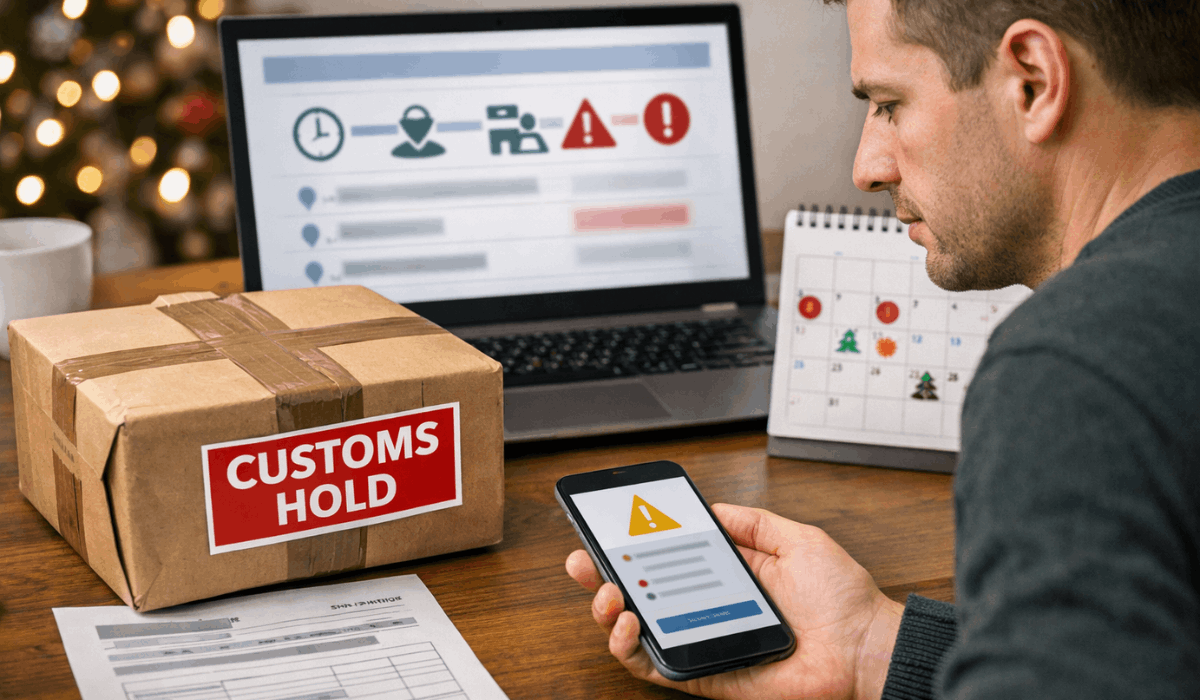
- Delayed Customs Clearance – Packages remain stuck at the border.
- Post-Holiday Delivery – Orders arrive only after holidays end.
How Tracking Updates Change During Holidays
Tracking information becomes less reliable during peak holiday periods. Updates may not reflect the real location of your package.
- Longer Gaps Between Scans – Tracking updates appear less frequently.
- Packages Stuck at Hubs – Parcels sit at transit centers without movement.
- Delayed Status Updates – New scans appear days after actual movement.
- Misleading Estimated Dates – Delivery predictions become inaccurate.
- Repeated Status Messages – The same tracking message shows for many days.
How Marketplaces Communicate Holiday Delays
Marketplaces often adjust expectations during peak seasons. These signals help you understand possible delays.
- Banner Warnings – Platforms display holiday delay notices.
- Extended Delivery Estimates – Estimated dates are automatically pushed back.
- Seller Status Labels – Some stores show “holiday break” indicators.
- Policy Adjustments – Buyer protection timelines may be extended.
- Limited Dispute Options – Resolution tools may be delayed.
Impact of Holidays on Return and Refund Timelines
Returns move more slowly during and after holidays. This affects refunds and dispute outcomes.
- Return Approval Delays – Sellers respond later to return requests.
- Slower Return Shipping – Carriers process returns more slowly.
- Refund Processing Backlogs – Refunds take longer to appear.
- Extended Dispute Windows – Platforms adjust deadlines after holidays.
- Temporary Policy Changes – Normal rules may not fully apply.
Express vs Economy Shipping During Holidays
Not all shipping methods perform the same during peak periods. Your choice affects risk.
- Express Service Priority – Faster services move to the front of the queue.
- Economy Shipping Delays – Low-cost options face longer backlogs.
- Price Spikes – Express rates increase during peak demand.
- Capacity Limits – Economy routes fill up quickly.
- Reliability Differences – Express tracking stays more consistent.
When Not to Order Internationally During Holidays
Some periods carry a higher risk than others. Knowing when to wait helps avoid frustration.
- Last-Minute Gift Seasons – Delivery deadlines are unrealistic.
- Factory Shutdown Windows – Production stops delay fulfillment.
- Back-to-Back Holidays – Delays stack across multiple regions.
- High-Customs Traffic Periods – Clearance times slow dramatically.
- Time-Sensitive Purchases – Urgent needs are better postponed.
Tips to Avoid Holiday Delivery Problems
You can reduce delivery risks by planning ahead during holidays. These steps help manage expectations and timing.
- Order Earlier Than Usual – Place orders well in advance of major holidays.
- Choose Reliable Sellers – Pick sellers with proven holiday performance.
- Use Fully Tracked Shipping – Select services with end-to-end tracking.
- Avoid Tight Deadlines – Do not rely on holiday deliveries for urgent needs.
- Check Seller Holiday Notices – Read store announcements before buying.
What to Expect After Holidays End
Delivery speed improves gradually after the holidays. Normal service does not resume immediately.
- Backlog Clearance Period – Carriers work through accumulated shipments.
- Gradual Delivery Recovery – Transit times slowly return to normal.
- Delayed Tracking Updates – Systems update older shipments first.
- Customs Processing Resumes – Clearance speeds increase week by week.
- Final Delivery Completion – Most delayed orders eventually arrive.
The Bottomline
Holidays can disrupt international deliveries, often causing delays that buyers do not expect.
Understanding how sellers, carriers, and customs operate during these periods helps you plan your purchases more effectively.
Use this guide before ordering during holidays so you can set realistic expectations and choose smarter shipping options.