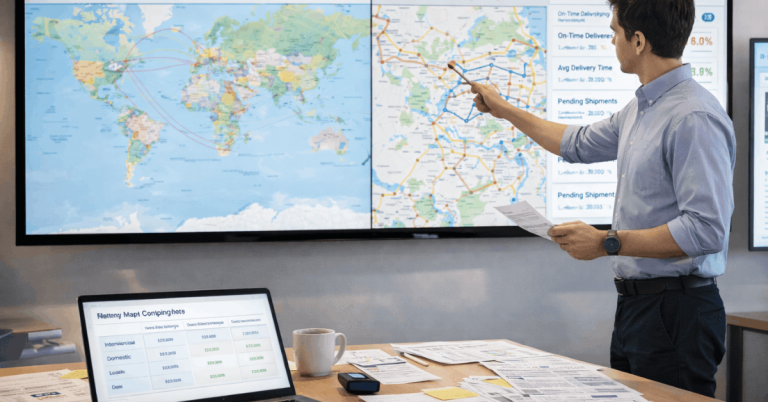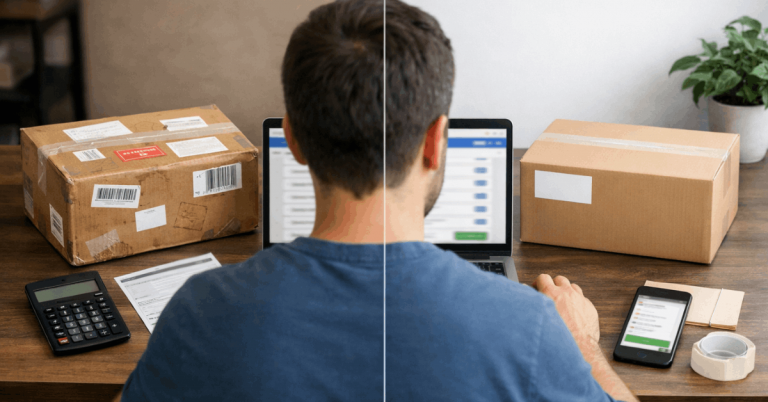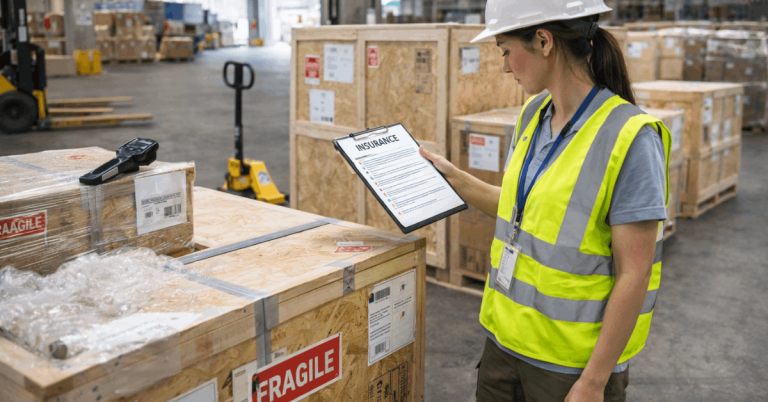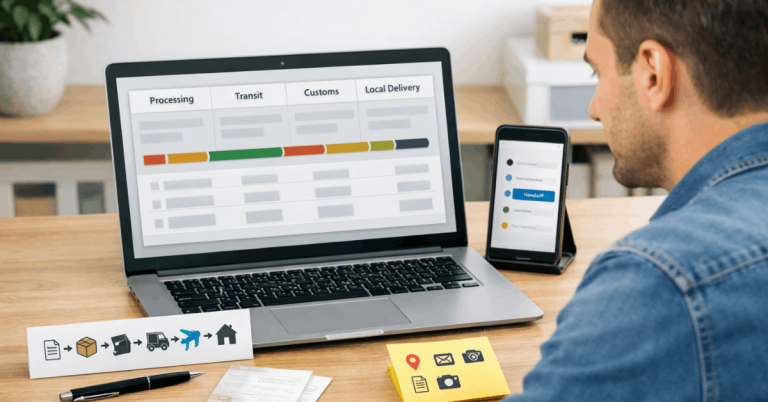
Buying products from overseas marketplaces has become routine for many shoppers, yet the process still feels opaque once an order is placed.
Searches for international buying timeline explained usually come from buyers who want realistic expectations rather than optimistic delivery promises. International purchases move through several stages that are rarely visible to the customer.
This guide breaks the process down clearly and in order. The focus is on real buying behavior, not marketing claims.

What Happens Right After You Place an International Order
The international buying timeline begins long before a parcel ever leaves a warehouse. Many of the earliest delays occur at the seller level rather than during shipping.
Buyers often expect movement immediately after payment, which creates unnecessary concern. Order processing includes confirmation, inventory checks, and preparation.

This early stage quietly sets the pace for everything that follows. Seller efficiency matters more here than logistics speed. Knowing this helps buyers adjust expectations early.
Order Confirmation and Seller Processing Time
After checkout, sellers confirm payment and assign inventory to the order. This processing stage can take a few hours or several days, depending on stock availability. No carrier is involved yet, even though the order appears active.
AliExpress Order Status dashboards show when processing officially begins and ends. Processing is not the same as shipping, but many buyers mistake one for the other.
Longer processing can signal limited inventory. Watching this phase prevents premature concern.
Inventory Checks and Packing Delays
Inventory verification often happens without notification to the buyer. Sellers may only discover shortages after orders are placed.
Packing time also depends on warehouse workload and staffing. Seller fulfillment policies usually outline preparation windows.
Packing delays increase during major sales and holiday periods. Buyers should expect slower movement during these times. Awareness here reduces frustration later.
Payment Authorization and Verification
Payment platforms sometimes place transactions under review for security reasons. These checks protect both buyers and marketplaces from fraud. PayPal transaction status tools show when funds are fully cleared.
Verification can pause fulfillment without any visible explanation. In most cases, reviews resolve quickly. Once cleared, order processing resumes automatically.
The Export and Departure Phase Explained
Once a seller releases a package, the export phase begins. This is where buyers often feel anxious because tracking updates appear inconsistent.

Export logistics involve consolidation warehouses, international carriers, and batch handling. Packages may move for days without visible scans.
Early tracking gaps are normal, not signs of loss. Understanding this phase prevents unnecessary worry. International shipping complexity becomes noticeable here.
Warehouse Dispatch and Export Scanning
After packing, parcels are transported to export warehouses. Initial scans register them within logistics systems. 17TRACK displays when these export scans occur. Dispatch does not mean the international departure has happened yet.
Parcels often wait until enough shipments are grouped together. These delays are logistical, not seller-related. Patience is important at this stage.
Handovers to International Carriers
Export warehouses transfer parcels to international carriers in scheduled batches. This process can take several days, depending on volume. Cainiao Logistics’ explanations outline why batching is necessary.
Carrier handovers often create tracking silence because systems update at different intervals. Packages are still moving even when updates are sparse. Understanding this reduces unnecessary concern.
Why Early Tracking Often Shows No Movement
Tracking updates depend on physical scans at transfer points. If no scan occurs, no update appears. Cross-border shipping FAQs explain this clearly.
Lack of updates does not mean inactivity or loss. This stage tests buyer patience more than any other. Waiting is usually the correct response here.
Customs Processing and Border Delays
Customs is the most unpredictable part of the international buying timeline. Every parcel must pass export and import clearance.

Processing times vary by country, product category, and shipment volume. Buyers often misunderstand the role customs authorities play.
Customs timelines are outside seller control entirely. Knowing this prevents misplaced frustration. This stage largely determines delivery risk.
Export and Import Customs Clearance
Customs authorities review shipments for documentation accuracy and compliance. ParcelsApp customs tracking may show clearance progress when available. Some packages clear within hours, while others take days. Accurate declarations greatly improve clearance speed. Missing or unclear information often causes holds. Buyers cannot directly influence this process.
Duties, Taxes, and Inspection Holds
Some shipments require duties or taxes before release. National customs authority portals notify buyers when payment is required.
Unpaid duties halt delivery progress until resolved. Random inspections may also occur. These checks are routine rather than punitive. Monitoring notifications helps avoid extended delays.
Common Reasons Packages Get Flagged
Packages are flagged due to restricted items, incorrect valuation, or random selection. Import compliance guidelines explain these scenarios. Flagging does not mean rejection, only additional review. Resolution timelines vary widely. Buyers should avoid restricted product categories. Awareness reduces surprise and stress.
Last Mile Delivery in the Destination Country
Once customs clearance is complete, parcels enter domestic delivery networks. This stage feels more familiar but introduces new variables.
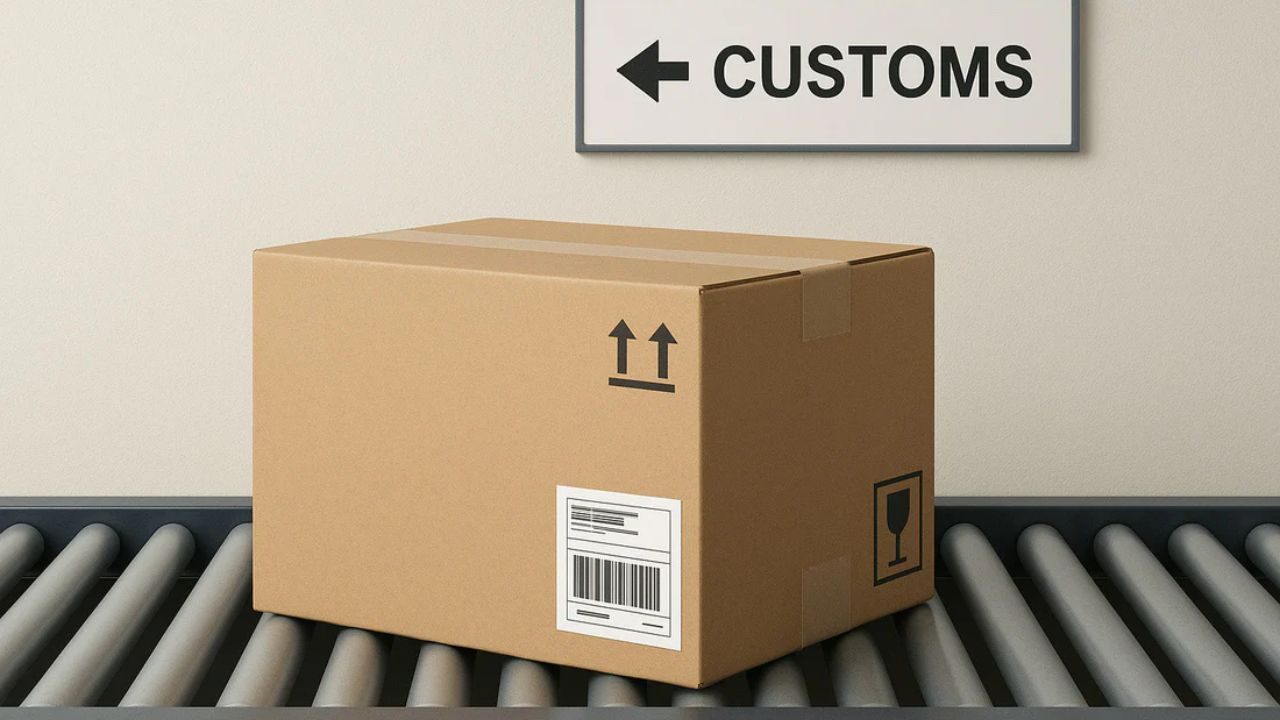
Carrier transitions often confuse buyers. Delivery speed now depends on local systems rather than international logistics.
Last-mile delivery introduces risks like address errors and missed attempts. Understanding this phase improves coordination. Many delivery failures occur here.
Local Postal Service or Courier Takeover
After customs, parcels are handed to local postal services or couriers. AfterShip identifies which carrier takes control.
Carrier identification explains sudden speed changes in delivery. Postal services and private couriers operate differently. Tracking formats may change. Monitoring handoffs prevents confusion.
Delivery Scheduling and Address Issues
Local carriers rely heavily on accurate address information. Small errors can cause failed delivery attempts or rerouting.
Local postal service tracking sites show delivery progress. Address accuracy directly affects delivery time. Buyers should verify details early. Minor mistakes can add several days.
Missed Delivery and Pickup Scenarios
Some carriers require the recipient to be present. Missed deliveries may require pickup at a local office. Courier customer service portals explain pickup windows.
Missed delivery windows extend timelines unnecessarily. Buyers should monitor notifications closely. Planning availability improves outcomes.
When to Worry and When to Wait
Not every delay requires immediate action. Knowing typical timeline ranges helps buyers respond appropriately. Acting too early can complicate resolution.

Timing awareness prevents unnecessary disputes and frustration. This section explains when patience is appropriate. Smart waiting is part of international buying.
Normal Timeline Ranges by Shipping Method
Each shipping method comes with different expectations. Marketplace delivery estimates provide general benchmarks.
Economy shipping often takes several weeks. Comparing estimates sets realistic patience levels. Buyers should track progress against the selected method. This avoids premature escalation.
When to Contact the Seller
Seller contact is appropriate when processing exceeds stated timelines or tracking confirms an issue. Marketplace message centers document communication clearly.
Focused, factual messages improve resolution speed. Avoid repeated follow-ups. Clear documentation matters more than frequency.
Opening a Dispute or Claim
Disputes should follow platform rules and timelines. Buyer protection policy pages define deadlines clearly.
Early disputes can weaken claims if the shipping is still valid. Waiting until thresholds are reached strengthens outcomes. Evidence and timing are critical.
Conclusion
International shopping rewards preparation and realistic expectations. Understanding the international buying timeline explained helps buyers interpret delays accurately rather than emotionally.
Each stage introduces different risks and responsibilities. Tracking tools reduce uncertainty when used correctly. Most delays are procedural rather than personal. Informed buyers make better decisions. Knowledge turns waiting into confidence.