Returning items purchased from overseas isn’t always easy. International Returns often involve delays, extra fees, and complicated processes.
This guide gives you the facts you need to make smarter decisions before and after a global purchase. We’ll break down rules, fees, seller behavior, and when to avoid returning altogether.
Basic Return Rules on Global Marketplaces
Not all return policies are created equal. Most platforms rely on seller cooperation, not guaranteed support.

Platform Policies That Define Your Return Rights
Different international marketplaces follow different return systems. Here’s how some of the major platforms handle International Returns:
- Amazon Global: Offers the most buyer-friendly system. It often covers return shipping for defective or wrong items, and refunds are handled directly by Amazon, not just the seller.
- eBay: Return policies vary by seller. Some sellers accept returns, others don’t. eBay does not guarantee returns unless you’re covered by their Money Back Guarantee.
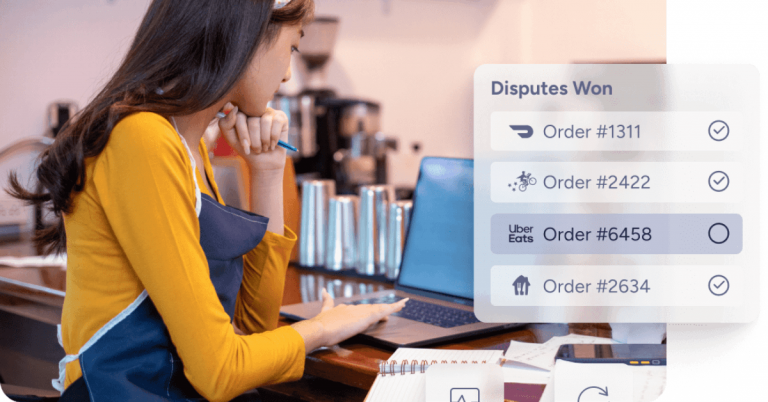
- AliExpress: Uses a dispute-based system. Buyers must open a dispute to request a return or refund, and the platform decides based on the evidence submitted.
- Buyer protection programs: Some platforms have limited guarantees, but they usually expire within 15 to 30 days. You must act quickly and document everything.
- Return windows: Always check the seller’s stated return time. Some items are non-refundable, and others may have only a 7-day return period depending on the seller’s location.
Country-Specific Laws Don’t Always Apply
Even if your country protects local buyers, these rules might not cover cross-border purchases. For example, EU return laws give you 14 days to return—but only from EU-based sellers.
If the seller ships from China or the U.S., those protections may not help you. U.S. buyers have almost no legal rights against foreign sellers.
Your only tools are platform policies or payment provider protection. Understand what doesn’t apply to avoid surprise losses.
Return Costs That Catch Buyers Off Guard
Most buyers underestimate the cost of shipping things back. Some sellers refund the item but not the shipping.
Return Shipping Often Exceeds Product Value
Returning a $10 item to China might cost $25 or more. Carriers like FedEx and DHL charge high rates for international returns.
Tracking is usually required, which increases the cost further. Sellers rarely pay for return labels unless the item is broken.
Cheap items become impossible to return without incurring additional costs. This makes return planning essential before checkout.
Duties and Customs Fees May Be Charged Again
In some cases, you’ll pay VAT or import taxes again just to return the item. If your country treats returns as a new shipment, that adds more expense.
Even if you label the package as a return, not all customs offices recognize it. Some sellers won’t refund these charges, especially on AliExpress or eBay.
That means your refund might be partial—even if you followed all rules. Always ask sellers if they cover re-import fees.
Refund Timelines and Processing Rules
Refunds take time and aren’t guaranteed. You need to track progress closely.
Who Controls the Refund Process?
Some platforms hold your payment until the item is marked delivered back to the seller. Others release funds to the seller immediately, leaving you to chase your refund.
Amazon processes refunds faster if you use their return label. On AliExpress, refunds happen after the seller confirms return delivery.
eBay depends entirely on seller honesty unless PayPal or your bank intervenes. You must follow each platform’s process exactly to qualify.
What Happens After You Ship It Back?
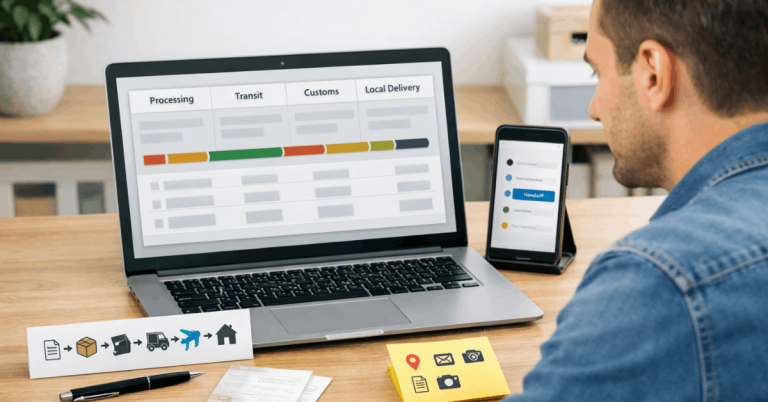
Once the item is shipped, your job isn’t done. You need to upload tracking numbers, take photos, and sometimes message the seller again.
If you don’t confirm return details, refunds may be delayed or denied. Most platforms require return delivery within a specific timeframe.
Any delay—due to customs or missing information—can void your claim. Keep copies of all return proof until the refund appears.
When a Return Isn’t Worth It?
Sometimes, it’s smarter to keep or resell the item. Not every return saves you money.
Small, Low-Cost Products
If the product was cheap to buy but expensive to ship, skip the return. Examples include cables, small gadgets, or accessories.
Refunds for these items rarely cover the hassle. Sellers may offer a partial refund without a return.
Accepting that is often your best move. Always calculate return costs before initiating the process.
Breakable or Customized Items
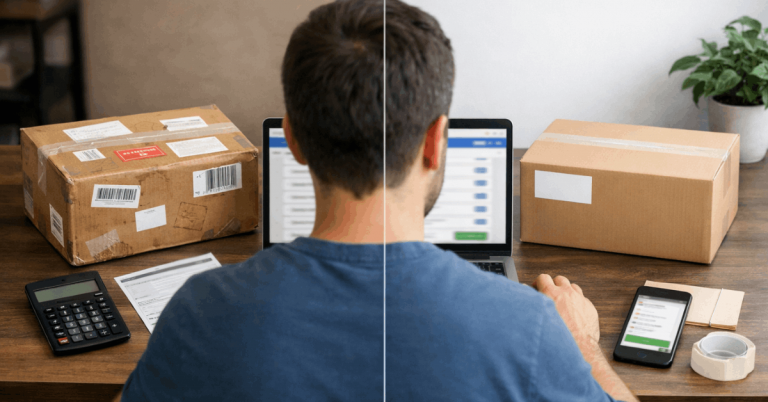
Items like ceramics, electronics, and custom goods often break during return transit. Some sellers won’t refund broken returns even if you packed them properly.

Custom orders may be non-refundable from the start. For risky products, consider reselling locally or giving them away.
The effort of returning might not be worth it. Always evaluate the fragility and value before returning.
Mistakes That Lead to Lost Refunds
Buyers often miss small steps that cost them the refund. Avoid these common errors to stay protected.
Late Return Requests
Every platform has a deadline for return requests. Some start counting from the delivery date; others use the shipping date.
If you miss that window—even by a day—you’re locked out. Sellers don’t make exceptions.
Always act quickly if something’s wrong. Waiting too long means the refund is gone.
No Tracking or Return Proof
You must track the return and take photos of the packaging. If the seller claims they didn’t receive it, proof protects you.
Many buyers forget this step and lose their refund. Return labels with tracking numbers are mandatory for disputes.
Always upload your tracking info into the platform system. Never rely on verbal promises.
Disputes and Platform Support Tools
Sometimes you need help getting your money back. Platforms and payment systems offer some backup.
How to File a Dispute the Right Way
Disputes must be filed within the allowed time frame. On AliExpress, it’s 15 days after delivery; on eBay, PayPal gives 180 days.
You need photos, messages, and shipping proof to win. Platforms don’t always side with you without evidence.
Be calm, clear, and factual in your dispute notes. Avoid emotional complaints—they don’t help.
Credit Card and PayPal Options
If the platform fails, escalate to your payment method. PayPal lets you file for “item not as described” if the seller won’t cooperate.
Credit cards offer chargebacks in most countries. However, not all banks are fast or helpful.
Only use this if you’ve exhausted platform options. Be ready to explain clearly and attach documentation.
How to Prevent Return Problems?
Planning ahead helps avoid messy returns. These habits improve your odds.
Research the Seller and Product First
Check seller reviews, especially photos from buyers. Look for recent low-star reviews, delivery delays, or poor packaging mentions.
Read full descriptions and sizing charts. Contact the seller before buying if the listing is unclear.
If they’re slow or vague, choose someone else. Good sellers answer fast and provide useful answers.
Understand the Full Cost Before Checkout
Some sellers don’t include duties or VAT in the final price. Returns might not be accepted, or shipping might be too expensive.
If there’s no local return address, that’s a red flag. Only buy if you’re ready to absorb a total loss.
Calculate return risk as part of the purchase decision. Being realistic saves time and money.
If the Seller Refuses to Cooperate
Some sellers ignore your messages or deny problems. You still have options.
Escalate to the Marketplace
If the seller won’t respond or accept the return, escalate. Platforms like Amazon and eBay have resolution centers.
Upload all proof—photos, tracking, messages. Most platforms will review and decide within 7–14 days.
If approved, your refund will be issued directly. Never skip this step if a seller stops replying.
Leave a Warning for Other Buyers
Use reviews to warn others clearly. Describe what went wrong and how the seller handled it. Don’t attack—just state the facts.
Mention delays, ignored messages, or bad product quality. Other shoppers read reviews to avoid the same mistake. Honest feedback helps build a safer marketplace.
What to Expect in Partial Refund Situations
Some sellers offer to refund part of your money. This is common when returns are expensive.
Know When to Accept
If the item is slightly damaged or the wrong color, a partial refund might be fair. You save time and avoid costly return shipping.
Sellers usually offer 20%–50% back, depending on the issue. If you’re still satisfied with the item, take the offer.
It’s better than losing money on a return. Just make sure the agreement is confirmed through the platform.
Know When to Reject It?
If the product is fake, broken, or very different, demand a full refund. Some sellers try to avoid disputes by offering low refunds.
Decline and start a case if needed. You’re entitled to a refund if the item is unusable. Don’t settle when the loss is too high. Protect your consumer rights.
Smart Takeaways for Global Buyers
International Returns are complicated, but you can manage them. The second sentence includes the keyword International Returns to help you focus.
Before buying, weigh the risk, check the seller, and understand platform rules. If a return is necessary, document everything, act fast, and escalate if needed.
The more you prepare, the less you lose. Be smart and proactive when shopping globally.