
International shopping has become common, yet shipping outcomes still surprise many buyers after checkout. Consumers researching international shipping methods usually want practical clarity instead of optimistic delivery promises.
Shipping choices influence delivery speed, tracking depth, customs handling, and dispute resolution. These factors shape the experience long after payment is completed.
Understanding how shipping methods differ helps buyers plan realistically. This article explains how major international shipping options function. It focuses on speed, cost, and reliability.

Why International Shipping Methods Matter
International shipping is not a single process but a collection of logistics systems that behave differently based on service level and pricing.
Buyers often focus on shipping fees without understanding how those fees affect parcel handling, tracking frequency, and accountability. Shipping methods influence how often packages are scanned and how delays are communicated.
The method you choose shapes the entire buying experience beyond the checkout page. Some options emphasize savings, while others emphasize control and predictability.
Knowing these differences helps buyers avoid unrealistic expectations. Shipping decisions should align with both product value and urgency.
How Shipping Methods Affect Delivery Timelines
Each international shipping method uses a specific route, which directly affects delivery time.
Economy services rely on consolidation and shared cargo capacity, while premium options move through dedicated networks designed to minimize waiting periods. These structural differences explain why two orders placed on the same day can arrive weeks apart.
Buyers who understand this process tend to worry less during slow tracking periods. Delivery speed depends on logistics design, not seller intent or listing promises. Many delays are systemic rather than exceptional. Awareness improves patience and confidence.
Cost Versus Speed Tradeoffs
Lower shipping costs usually reflect slower processing and fewer tracking updates, which allows economy services to remain affordable. Faster shipping options cost more because they reduce handling steps and shorten idle time in transit hubs.
Buyers must decide which factor matters more for each purchase based on urgency and value. There is no single best shipping option that works in every situation.
Time-sensitive purchases often justify higher costs, while flexible purchases allow savings. Understanding this tradeoff supports better decision-making.
Economy International Shipping Explained
Economy international shipping is widely offered because it keeps costs low for both sellers and buyers.
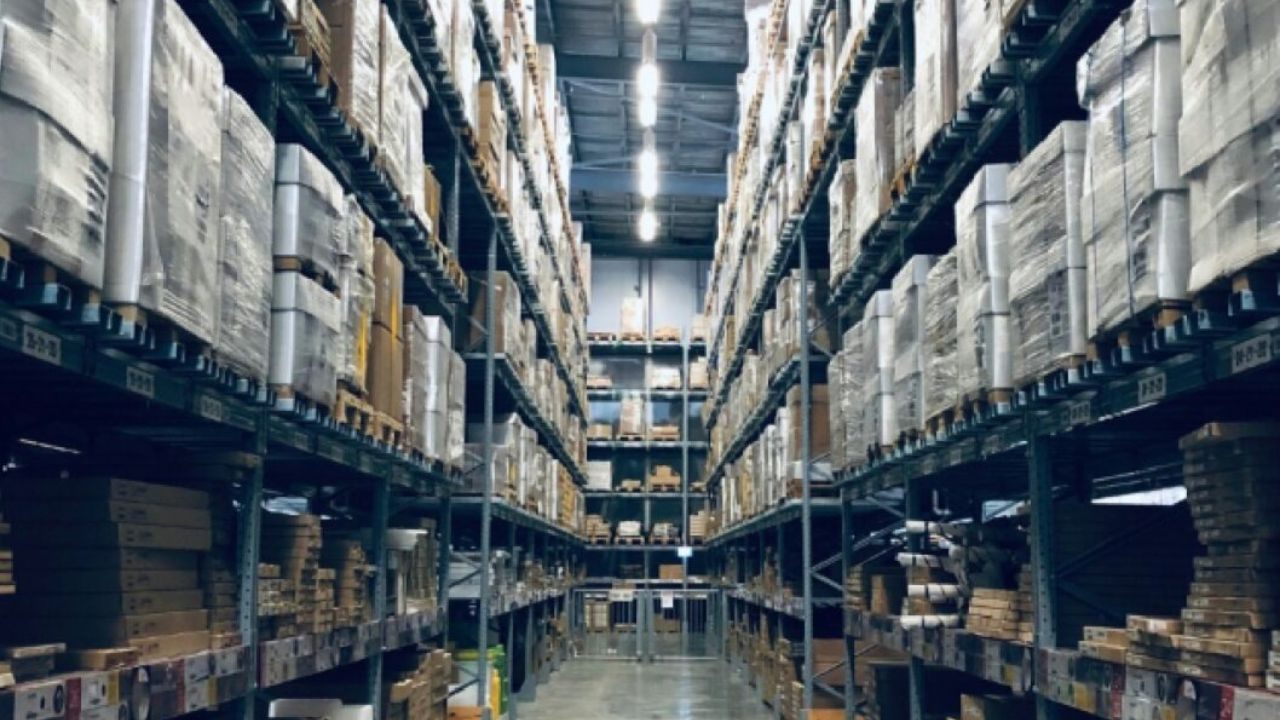
This method relies on postal networks, shared cargo space, and consolidation hubs that limit speed and predictability. Parcels may pass through several transit points before reaching their destination.
Economy shipping prioritizes affordability over predictability, shaping expectations from the beginning.
Delivery timelines often extend into several weeks, especially during peak seasons. Tracking updates may be infrequent or delayed. This option suits buyers who value savings and flexibility.
Delivery Time Expectations for Economy Shipping
Economy shipments move slowly because they are processed in bulk and assigned a lower priority within logistics networks. Long gaps between tracking updates are common and usually do not indicate a problem.
Buyers may see little visible movement for extended periods. Extended transit times are normal for this shipping method, particularly when parcels cross multiple borders.
Seasonal demand and customs congestion can add delays. This option works best when delivery timing is not critical. Patience is part of the experience.
When Economy Shipping Makes Sense
Economy shipping works best for low-value, lightweight products such as clothing, accessories, or small household items. It is generally unsuitable for fragile, expensive, or time-sensitive purchases.
Buyers who select this option should do so with clear expectations about delivery speed. Choosing economy shipping requires realistic expectations about tracking and transit time.
Planning ahead makes this method more practical. Matching the shipping method to the product reduces frustration.
Registered International Shipping and Its Role
Registered international shipping offers a balance between affordability and accountability by adding tracking and delivery confirmation.

Buyers often choose this option for mid-value purchases where visibility and protection matter. Registered shipping reduces risk without premium pricing, which explains its popularity across international marketplaces.
Tracking updates provide reassurance that a parcel is moving through the system. Delivery timelines are generally more stable than economy shipping. This method suits buyers seeking predictability without express costs. Reliability becomes part of the value.
Tracking Reliability Compared to Economy
Registered shipping provides tracking updates at key transit points, allowing buyers to follow progress more clearly. Although updates are not continuous, they confirm that the parcel remains within the logistics network.
Tracking visibility improves buyer confidence during longer international shipments. Delays still occur, but transparency makes them easier to understand.
Buyers are better informed if issues arise. This visibility supports communication with sellers. Awareness changes the experience.
Buyer Protection Advantages
Delivery confirmation strengthens buyer protection claims on most marketplaces. Platforms often favor registered shipments when disputes occur because delivery events can be verified.
Proof of delivery simplifies dispute resolution and reduces uncertainty for all parties involved. Buyers gain leverage when problems arise.
The additional cost is often justified by the protection it provides. Accountability improves outcomes. Confidence increases when documentation exists.
Express Courier Shipping Options
Express courier shipping is the fastest and most controlled international delivery option available.

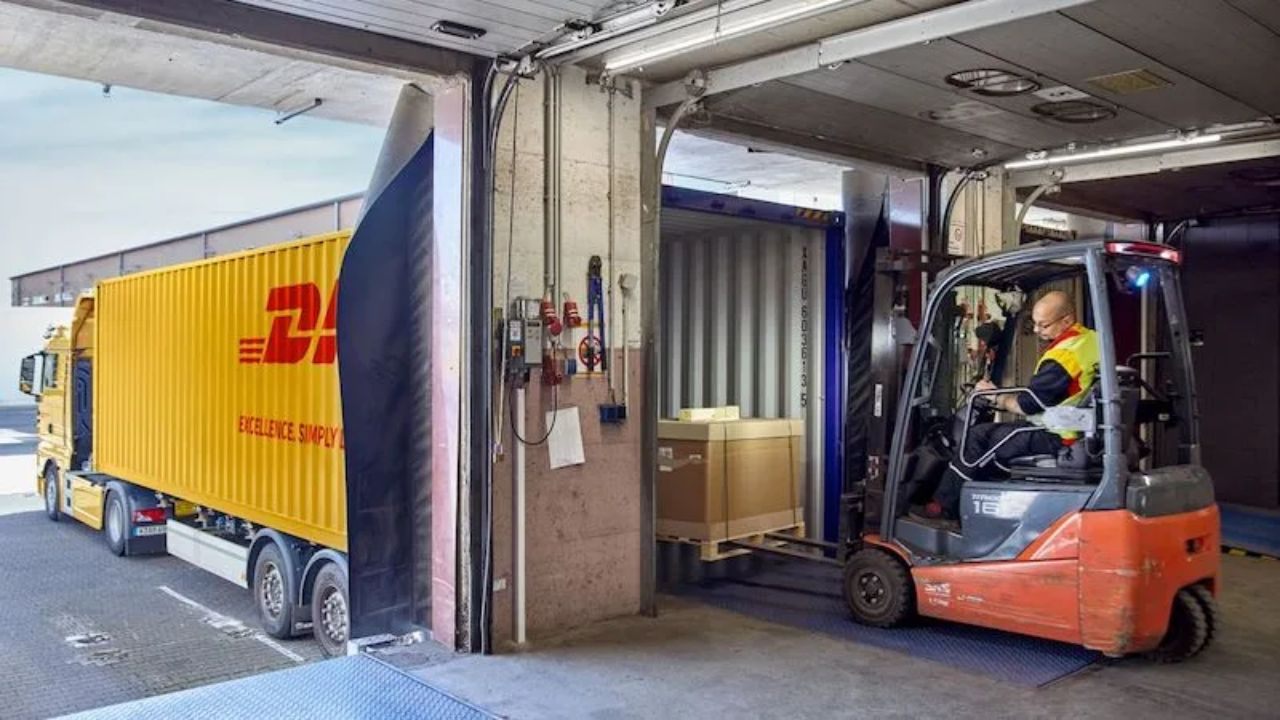
Companies such as DHL, FedEx, and UPS operate dedicated logistics networks designed to minimize delays. Express shipping trades a higher cost for control, changing the experience from checkout to delivery.
Transit times are measured in days rather than weeks. Tracking updates are frequent and detailed. Reliability is high for urgent or valuable purchases. Predictability becomes a major benefit.
Speed and Delivery Predictability
Express courier services offer defined delivery windows that reduce uncertainty. Packages move through prioritized routes with fewer handoffs and delays.
Speed is the primary advantage of express shipping for time-sensitive purchases. Buyers receive consistent tracking updates and clearer delivery forecasts.
Delays are less common and easier to resolve. This option suits urgent needs. Confidence increases when timelines are clear.
Customs Handling and Cost Implications
Courier shipments often receive priority customs processing due to pre-submitted documentation and professional brokerage support.
Duties and taxes are calculated accurately and communicated earlier in the process. Faster customs clearance reduces uncertainty and minimizes unexpected border delays.
Buyers can plan for additional costs with more confidence. This efficiency contributes to higher shipping fees. The service level explains the price difference.
Choosing the Right Shipping Method
No shipping method is ideal for every purchase, which is why buyers must evaluate priorities before completing checkout.

Product value, delivery urgency, and seller reliability all influence the best choice. Intentional choice prevents regret after payment. Shipping decisions should align with risk tolerance and expectations.
Understanding available options improves outcomes. Thoughtful selection reduces surprises. Planning supports better experiences.
Matching Shipping to Product Value
Low-value items can tolerate slower delivery and limited tracking, while higher-value purchases benefit from stronger protection and visibility. Value determines the appropriate shipping level more than personal preference.
Buyers who align shipping cost with product worth make more confident decisions. Excessive shipping fees may not add value to inexpensive items.
Insufficient protection increases risk for expensive purchases. Informed assessment supports balance.
Shipping for Time-Sensitive Purchases
Time-sensitive purchases such as gifts or replacements require predictable delivery timelines. Express shipping minimizes uncertainty, while registered shipping may work when sufficient buffer time exists.
Timing drives shipping choice more than cost in urgent situations. Buyers who plan ahead gain flexibility. Last-minute needs often require faster services. Understanding this relationship helps avoid disappointment. Preparation improves outcomes.
Conclusion
International buying becomes less stressful when shipping choices are understood clearly. Comparing international shipping methods compared shows that speed, cost, and reliability rarely align perfectly.
Buyers who match shipping choice to product value and urgency avoid frustration. Knowledge supports confident decisions.