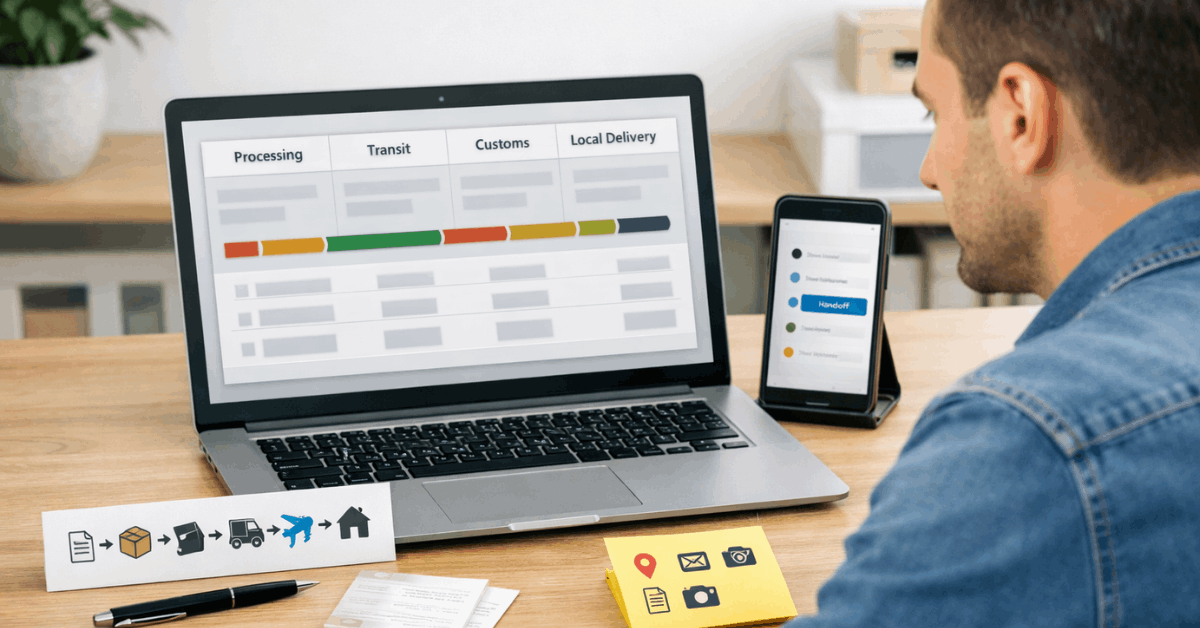
International shipping times are made up of stages you can track: processing, transit, customs, and local delivery.
If you follow scan dates, carrier handoffs, and realistic time ranges, you stop guessing and spot delays early.
Use this guide to compare sellers, set safer expectations, and keep proof ready in case you need support.
What “Shipping Time” Really Means
Shipping time is the full timeline from when you pay to when the package is delivered, not just the days it spends in transit.
It usually includes seller processing, international transport, customs clearance, and local delivery.
The Timeline You Should Track
Track these checkpoints in order so you always know which stage your package is in and what should happen next.
Save a screenshot or note the date at each step, because scan history is the clearest proof during delays or claims.
- Order placed: Payment confirmed and order ID created.
- Processing started: Seller prepares the item and packaging.
- Label created: Shipping label exists, but the parcel may not have moved yet.
- First carrier scan (accepted): The parcel is in the carrier network.
- Export processing: Cleared to leave the origin country.
- In transit: Moving between hubs or countries.
- Arrival in destination country: Import stage begins.
- Customs hold or clearance: Inspection, tax check, or release event.
- Handoff to local carrier: Last-mile company takes over.
- Out for delivery: Delivery attempt is scheduled that day.
- Delivered: Confirm proof-of-delivery and check item condition.
What Changes Shipping Speed the Most
Shipping speed depends on the method you pick, the carrier network, and how smoothly the parcel clears handoffs and customs.
Use these factors to estimate risk before you buy and explain delays after it ships.
- Shipping method tier: Economy is slower; express is faster and more predictable.
- Carrier type: Postal networks can be slower; couriers often move faster with more scans.
- Seller processing time: Slow dispatch delays everything before transit starts.
- Warehouse location: Local/regional stock arrives faster than cross-border stock.
- Customs workload: Inspections and document checks can add unpredictable days.
- Seasonal peaks: Holidays and major sale periods create backlogs.
- Address quality: Incomplete details lead to failed delivery and rerouting.
Customs and Import Delays in Plain Terms
Customs delays usually come from extra checks, missing paperwork, or a required payment step.
Use these points to know what’s normal and what you can fix fast.
- Why holds happen: Inspection, value review, or item category checks
- Common requests: Invoice, proof of payment, order confirmation, and sometimes ID
- Mismatch problems: Different names, totals, or item descriptions across documents
- Taxes and duties: May be prepaid at checkout or collected on delivery
- Restricted items: Batteries, liquids, and regulated goods can add time
- What speeds it up: Reply fast with clear, consistent documents
- Scam checks: Pay only if the tracking number and official carrier channel match

How to Read Tracking Updates Without Guessing
Tracking only makes sense when you focus on scan events, handoffs, and time gaps that are normal for each stage.
Use this checklist to avoid guessing and to decide when it’s time to contact support.
- Start with the last real scan: “Label created” is not movement; look for acceptance/first scan.
- Identify the stage: Processing, export, transit, customs, or last-mile.
- Watch for handoff points: The carrier name can change when the parcel enters the destination network.
- Expect scan gaps in transit: Long gaps are common between hubs, especially on economy routes.
- Treat customs as a separate phase: Fewer scans are common; holds and releases matter most.
- Use “exception” events carefully: Address issues, failed attempts, or returns that need action fast.
- Escalate based on inactivity: if there’s no scan for an unusually long period for your method, contact the carrier/platform with screenshots.
What a “Realistic” Delivery Window Looks Like
A realistic delivery window is a range based on route, method, and scan progress, not one perfect date.
Use this list to set expectations, plan buffers, and decide when “late” is actually late.
- Use a date range, not a single day: Plan for best-case and slow-case delivery.
- Start counting from the first carrier scan: Label creation does not start the clock.
- Match the window to the shipping tier: Economy needs a wider range than express.
- Add buffer for customs: Import checks can extend timelines without daily scans.
- Account for handoffs: Transferring to a local carrier can add a few days.
- Use the last scan as your anchor: Recent movement is more reliable than the original estimate.
- Set a “no-movement” trigger: If scans stop for too long for your method, contact support with proof.
How to Compare Sellers Using Shipping Clues
You can compare sellers by looking for signals that predict dispatch speed, tracking quality, and delivery consistency.
Use these shipping clues before you buy, and keep screenshots for reference if something goes wrong.
- Processing time: Shorter handling time usually means faster dispatch.
- First-scan speed: A quick carrier acceptance scan is a strong reliability signal.
- Shipping method clarity: Clear method labels and timelines reduce surprises.
- Tracking quality: Frequent, consistent scans beat vague “in transit” updates.
- Carrier and route consistency: Sellers who use stable lanes tend to deliver more predictably.
- Recent buyer timelines: Check the newest reviews for real delivery dates and delays.
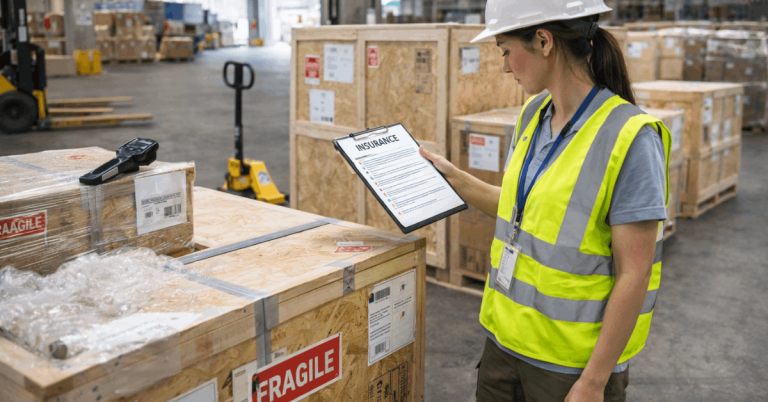
- Damage and packaging notes: Repeated “arrived late and damaged” is a delivery-risk flag.
Proof You Should Save for Any Delay or Claim
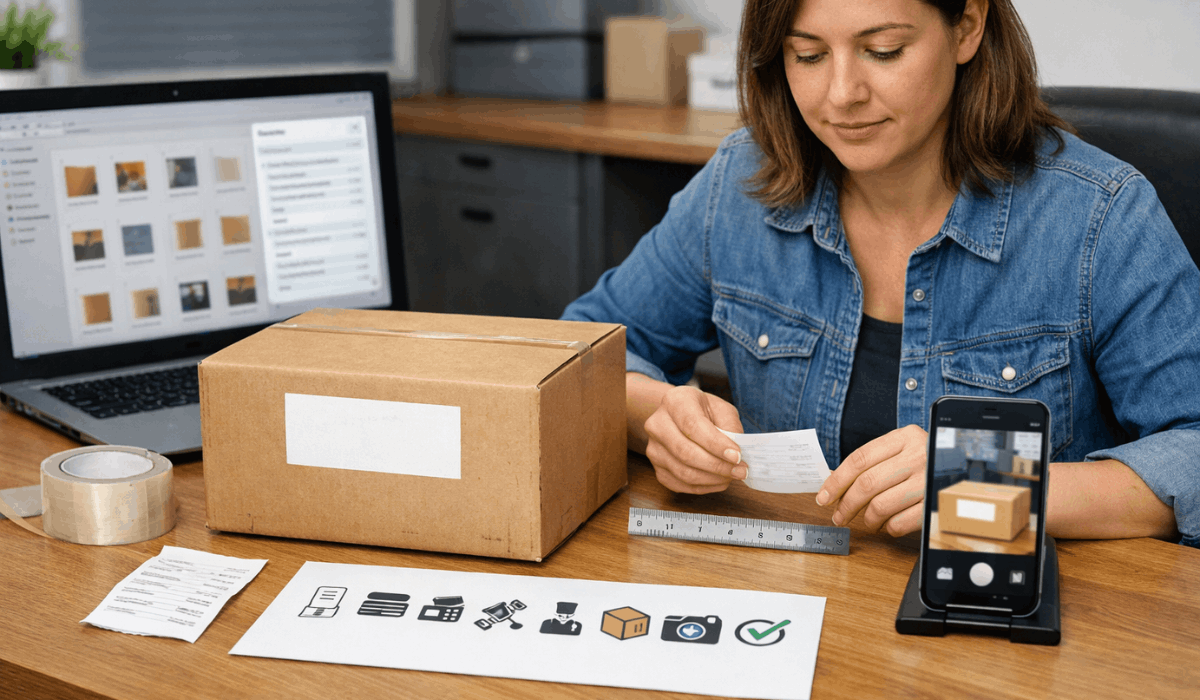
Saving proof early makes delays easier to explain and claims easier to support. Keep these items in one folder so you can send them fast if you need help.
- Checkout proof: Delivery estimate, shipping method, total cost, and any protection terms shown.
- Order confirmation: Order ID, item details, seller/store name, and address details.
- Tracking history: Screenshots of key scans, handoffs, holds, and delivery status.
- Messages and emails: Seller chats, support replies, and any case numbers.
- Payment proof: Receipt, transaction ID, and billing confirmation.
- Customs and fee receipts: Duties/taxes payment confirmation, and any broker/carrier fees.
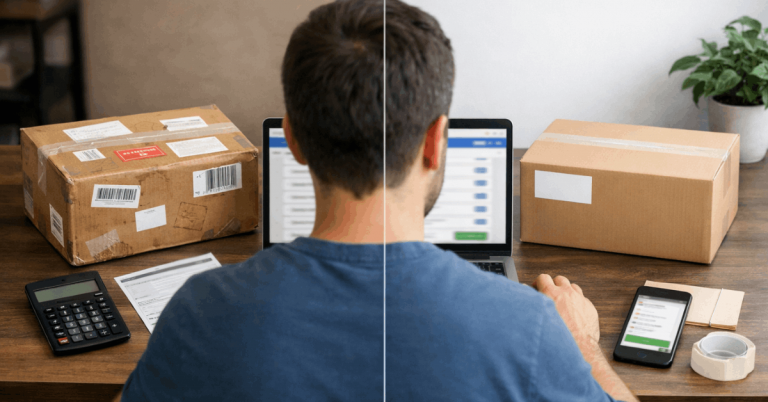
- Delivery condition proof: Photos/video of the box, label area, damage, and the item on arrival.
Quick Actions When Your Package Is Stuck
When a package is stuck, the goal is to identify the stage, confirm the last real scan, and contact the right party with proof.
These quick actions help you move from waiting to a clear next step.
- Check the last confirmed scan: Ignore “label created” and focus on acceptance, arrival, hold, or out-for-delivery scans.
- Label the stage: Processing, export, transit, customs, or last-mile so you know who can fix it.
- Verify carrier handoff: Track the local carrier number if it changed after arrival in your country.
- Look for action-required flags: Payment due, document request, address issue, or failed delivery attempt.
- Contact the right channel: Carrier for clearance/delivery issues, seller for dispatch questions, and platform for claim steps.
- Send a clear evidence pack: Order ID, screenshots of estimates, tracking timeline, and any messages in one thread.
- Use a no-movement trigger: If scans stop for an unusually long time for your shipping tier, escalate to support or open a claim.
The Bottomline
International shipping times make more sense when you track stages, not promises, and use scan dates as your proof.
If you save key screenshots and set realistic delivery windows, you reduce surprises and handle delays faster.
Use this checklist on your next order to compare sellers, choose safer shipping options, and document every step.