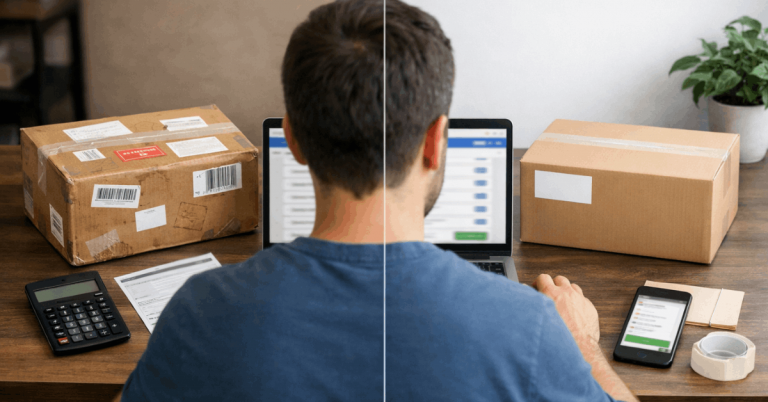
International shopping has become routine, but delayed or missing packages remain a common frustration for buyers worldwide.
Many shoppers hesitate because they are unsure how long they should wait before filing a dispute, especially when tracking updates are unclear, or sellers ask for patience. Timing matters because disputes filed too late often fail, while disputes filed too early can be rejected.
This guide breaks down realistic waiting periods using carrier behavior, not guesswork. It reflects the same standards consumer desks use when evaluating international delivery problems.

Start With a Real Tracking Baseline Before You Escalate
Before assuming a package is lost, you need a clear understanding of what the tracking information actually confirms.

Many buyers confuse estimated delivery dates with enforceable timelines, which leads to poor decisions. Tracking scans follow predictable stages, and knowing those stages helps you judge whether waiting is still reasonable.
A real tracking baseline protects you from filing weak disputes that sellers can easily challenge. This section focuses on how early tracking behavior sets expectations. The shipping method used here is ePacket.
The Three Dates That Matter More Than Estimated Delivery
Every international order has three critical dates that determine your dispute timeline. The order date confirms when payment was made, but it does not reflect shipping progress.
The ship date shows when the seller claims the item was handed off, which matters for buyer protection clocks. The first carrier acceptance scan is the most important milestone because it proves physical possession.
Without this scan, delays often point to seller-side issues. If acceptance does not appear within five to seven days, you should begin documenting evidence immediately.
What ePacket Tracking Usually Shows When Things Are Normal
ePacket shipments typically show an acceptance scan, followed by export processing, then a departure scan from the origin country. After departure, tracking often pauses while the parcel moves internationally, which can last several days.
This silence is normal and does not justify immediate escalation. Problems begin when tracking loops fail to update after export for extended periods.
Consistent movement, even if slow, signals a legitimate shipment. You should only escalate when the pattern breaks the expected behavior.
The First Warning Signs That Justify Pre-dispute Documentation
Certain tracking patterns indicate risk even if the seller insists everything is fine. Repeated “in transit” scans without location changes suggest system looping.
Long delays after acceptance without export confirmation can point to consolidation issues. Address correction notices are another red flag that often leads to returns.
These signs justify collecting screenshots and timestamps early. Documentation protects you later, even if you decide to wait longer before filing.
The Seller Message That Helps You Without Delaying Your Case
When contacting the seller, your goal is documentation, not reassurance. Ask whether the item has cleared export and request the carrier reference used at acceptance.
Avoid agreeing to vague waiting periods that extend past buyer protection deadlines. Keep messages short and factual, and always use the platform’s messaging system.
Written confirmation strengthens your dispute if escalation becomes necessary. Do not negotiate timelines verbally or outside the marketplace.
When Customs Delays Are Real and When They Are an Excuse
Customs delays are one of the most misunderstood parts of international shipping. Some holds are routine and resolve without intervention, while others stall indefinitely due to paperwork or compliance problems.

Buyers often wait too long because sellers blame customs without evidence. Knowing how long holds usually last helps you decide when patience stops being reasonable.
Customs status language reveals more than sellers admit. This section uses EMS as the reference shipping method.
The Customs Clock: How Long Holds Typically Last and Why
Most EMS customs holds last between three and seven business days during standard inspections. Delays can extend during holidays or high-volume periods, but progress usually appears through updated status descriptions.
Documentation reviews, tax assessments, or security checks are common reasons. A hold exceeding ten business days without status changes deserves scrutiny.
Extended silence often signals missing or incorrect paperwork. At that point, you should prepare for escalation rather than waiting indefinitely.
The Two Proof Points That Matter During an EMS Customs Hold
Two tracking indicators help you assess whether a customs delay is legitimate. First is a clear customs status that references inspection or clearance processing.
Second is evidence of system updates showing active review rather than static holds. Generic “held by customs” messages without updates weaken seller claims.
Screenshots showing unchanged status over time support disputes. These records matter if you later need to prove unreasonable delay.
When You Should Stop Waiting and Prepare the Dispute Packet
If an EMS shipment remains in customs beyond the marketplace’s promised delivery range, waiting no longer benefits you.
Sellers may ask you to wait longer, but buyer protection does not extend automatically. At this stage, your focus should shift to preparing the evidence.
Disputes filed before protection expires carry more weight. Waiting until after deadlines often results in automatic denial, regardless of circumstances.
What to Do If the Package Clears Customs but Stalls After Release
Sometimes customs clears the parcel, but local delivery never progresses. This usually happens during handoffs to regional carriers. Lack of movement for several days after clearance is not normal for EMS.
Verify the last-mile carrier and request delivery confirmation. Post-clearance stalls often justify non-delivery claims. Do not allow sellers to reset your waiting clock without proof.
Lost Packages Versus Late Packages: Decide Fast With Hard Signals
Not every delay means a package is lost, but some patterns require immediate action. The difference between late and lost determines your dispute type and success rate.
Waiting too long to classify the issue weakens your position. Express services provide clearer signals, which makes decision-making easier.
Knowing when a delay becomes a loss protects your refund rights. This section uses DHL Express as the shipping example.
DHL Express Late Delivery: When It Is Safe to Wait a Bit Longer
DHL Express delays often occur due to weather disruptions or temporary network congestion. Active scans showing location changes usually mean the parcel is still moving. Rescheduling delivery appointments can also cause short delays.
These situations justify brief patience if buyer protection is not at risk. Ongoing scan activity reduces dispute urgency. Still, you should monitor deadlines closely.
DHL Express Exception Scans That Trigger Immediate Action
Certain DHL exception scans require a faster response. Address corrections, clearance failures, or return to sender notices signal problems that may not resolve automatically. These scans often lead to delivery failure if ignored.
Waiting after these updates rarely improves outcomes. Exception scans justify early dispute preparation. Immediate documentation improves your leverage if resolution stalls.
Proof You Need for Not Received Versus Delivered Disputes
Disputes differ based on whether tracking shows delivery confirmation. “Delivered but not received” cases require proof beyond tracking screenshots. Signature absence, delivery photos, or carrier statements become critical.
For “not delivered” cases, tracking gaps matter more. Matching evidence to dispute type increases approval odds. Filing the wrong claim often leads to rejection.
The Exact Moment Filing Early Helps More Than Waiting
Filing early becomes beneficial when buyer protection windows approach expiration. Silence from the seller or inconsistent explanations also justify escalation. If tracking stops updating entirely, waiting adds no value.
Early filing protects your position without harming credibility. Marketplaces prioritize timeline compliance over seller promises.
Filing the Dispute the Smart Way So You Actually Win
Once you decide to file, execution matters as much as timing. Poorly written disputes fail even when buyers are right.

Platforms favor clear timelines and objective evidence. You do not need emotional arguments or long explanations. A clean case presentation increases resolution speed. This section uses Cainiao Standard for Special Goods.
A Simple Waiting Rule That Works Across Most Marketplaces
A practical rule is to wait until tracking shows no meaningful movement for ten to fourteen days after the last confirmed scan. This accounts for slow international routing without rewarding indefinite delays.
Adjust based on shipping promises shown on the order page. Last scan age matters more than seller reassurance. This rule aligns with how platforms evaluate claims.
What Evidence Wins When Cainiao Tracking Is Limited
Cainiao tracking often lacks granular updates, so supplementary proof becomes essential. Screenshots of the order promise, chat history, and tracking summaries matter.
A short written timeline helps reviewers understand the case quickly. Clarity beats volume when evidence is limited. Avoid uploading unrelated images or excessive commentary.
How to Avoid the Most Common Dispute Mistakes
Many buyers weaken their cases by choosing the wrong dispute reason. Accepting partial refunds too early also closes options prematurely.
Missing appeal windows due to delayed filing is another common error. Precision protects your rights during resolution. Always verify deadlines before agreeing to any settlement.
What to Do After You File: Negotiation Without Weakening Your Claim
Once the dispute is open, keep communication factual and minimal. Do not accept off-platform refunds or new waiting promises.
Update the case only when new tracking or carrier confirmation appears. Consistency strengthens platform trust in your claim. Let evidence guide the outcome, not negotiation pressure.
Conclusion
International shopping rewards informed buyers who understand delivery behavior and protection rules.
Knowing how long you should wait before filing a dispute prevents costly mistakes and lost refunds. Tracking patterns, not seller reassurance, should guide your decision. Evidence collected early gives you control later.