After you place an international order, the process is not finished.
Your item moves through sellers, warehouses, carriers, and customs before it reaches your door.
Understanding each step helps you spot delays, avoid mistakes, and protect your purchase.
Order Confirmation and Payment Processing
Order confirmation and payment processing verify that your purchase was successfully placed and paid for before any shipping begins.
- Order confirmation — Proof that your order was received by the platform.
- Payment authorization — Temporary approval from your bank or card issuer.
- Pending status — Payment has been placed but is not fully cleared yet.
- Fraud check — Automatic review to confirm the purchase is legitimate.
- Currency conversion — Your payment is converted to the seller’s currency.
- Inventory validation — The seller confirms the item is actually available.
- Order ID — Unique number used to track and support your purchase.
Seller Handling and Preparation
After payment clears, the seller takes control of your order.
How this step is handled affects shipping speed and the condition of the item when it arrives.
- Order review — Checks item version, quantity, and delivery address.
- Stock sourcing — Pulls the item from storage, a supplier, or mixed inventory.
- Basic inspection — Confirms the item matches the listing and is complete.
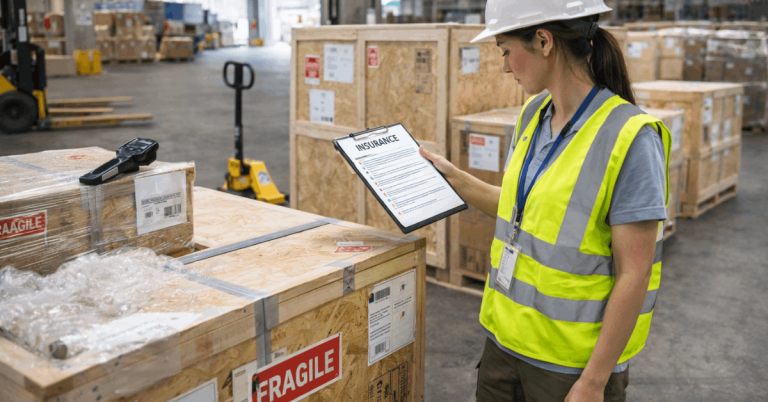
- Packing method — Uses materials based on cost, fragility, and distance.
- Label setup — Generates shipping labels and export paperwork.
- Release to carrier — Schedules pickup or drop-off for international transit.

Warehouse Processing and Export Steps
Once the seller releases the package, it moves into the warehouse and export handling.
This phase often explains early tracking delays before international transit begins.
- Inbound scanning — The warehouse logs the package into its system.
- Sorting and batching — Orders are grouped by destination or shipping method.
- Consolidation — Multiple packages may be combined for export efficiency.
- Export documentation — Customs forms and shipment data are finalized.
- Security screening — Packages are checked to ensure compliance with export requirements.
- Departure queue — Shipments wait for space on flights or cargo routes.
International Shipping and Transit
After export clearance, your package enters international transit. This is the longest phase and the one with the least visible updates.
- Carrier departure — The package leaves the origin country by air or sea.
- Transit hubs — Shipments pass through regional sorting or transfer centers.
- Tracking gaps — Updates pause while the package moves between carriers.
- Route changes — Flights or cargo paths may shift due to capacity or weather.
- Transport delays — Congestion, inspections, or missed connections slow movement.
- Arrival scan — The package is logged upon arrival in the destination country.
Customs Clearance and Import Checks
When your package reaches the destination country, customs takes control. This step determines whether your order moves forward or is delayed.
- Inbound review — Customs receives and registers the shipment.
- Document check — Forms, values, and descriptions are verified.
- Duty assessment — Taxes or import fees are calculated if applicable.
- Physical inspection — Some packages are opened for compliance checks.
- Hold or release — The shipment is cleared or flagged for more review.
- Payment request — Fees may be required before delivery continues.
Local Carrier Handoff and Final Delivery
After customs clearance, your package is handed to a local delivery carrier. This stage determines how quickly the item reaches your address.
- Carrier assignment — A domestic courier receives the shipment.
- Tracking update — The tracking number links to the local carrier system.
- Sorting center scan — The package enters regional delivery hubs.
- Delivery scheduling — Routes and delivery dates are assigned.
- Out-for-delivery status — The package is loaded for final delivery.
- Delivery attempt — The courier delivers or leaves a notice if the delivery is missed.
Delivery Timing: What’s Normal vs. a Red Flag
Delivery timing varies with shipping method and destination. Knowing what is normal helps you recognize when something is wrong.
- Standard transit range — Economy shipping often takes several weeks.
- Express delivery window — Faster services usually arrive within days.
- Tracking silence — Short gaps are normal during international transit.
- Customs delay signs — Long holds at customs may indicate document or fee issues.
- Repeated status loops — Updates that repeat without progress can signal a problem.
- No movement after arrival — Extended delays with local carriers are a red flag.

Package Condition and First Inspection
The moment your package arrives is critical. A careful first inspection protects your refund and replacement rights.
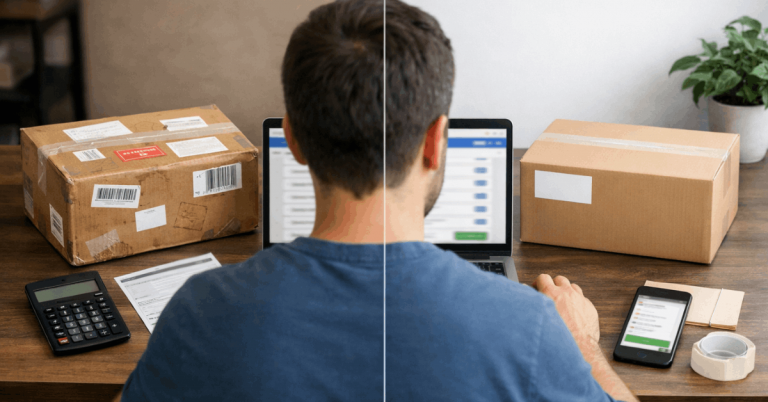
- Outer box condition — Look closely for dents, crushed corners, torn edges, or resealed tape.
- Label accuracy — Confirm the shipping label matches your name, address, and order reference.
- Photo documentation — Take clear photos of all sides before fully opening anything.
- Internal packaging — Check if padding is missing, shifted, or clearly insufficient for the item.
- Item appearance — Inspect for cracks, scratches, dirt, or signs of previous handling or use.
- Accessory check — Verify every listed cable, manual, and extra part is included.
What Happens If Something Goes Wrong
Problems can appear even after careful planning. How you respond in the first steps affects your outcome.
- Delivery delay — Tracking stops moving beyond normal transit time.
- Wrong item received — The product does not match the listing or order details.
- Damaged on arrival — The item shows visible damage or does not function properly.
- Missing parts — Accessories or components listed are not included.
- Open dispute window — Platforms set strict deadlines to report issues.
- Evidence submission — Photos, videos, and messages support your claim.
- Resolution path — Refunds, replacements, or partial credits are offered.
Returns, Refunds, and Replacements
International returns work differently from local ones. Knowing your options helps you choose the fastest resolution.
- Return eligibility — Not all items or sellers accept international returns.
- Return shipping cost — You may need to pay the return shipping cost upfront.
- Refund timing — Refunds often process after the item is received or confirmed.
- Replacement limits — Some sellers offer refunds instead of reshipping.
- Partial refunds — Platforms may issue partial refunds for minor issues.
- Dispute escalation — Unresolved cases move to platform review.
- Buyer protection rules — Deadlines and conditions control final outcomes.
Final Takeaway
International orders follow a long, structured process that affects delivery time and product quality.
When you understand each stage, you avoid panic, spot real problems early, and protect your money.
Use this guide before and after every international purchase to shop with control and confidence.