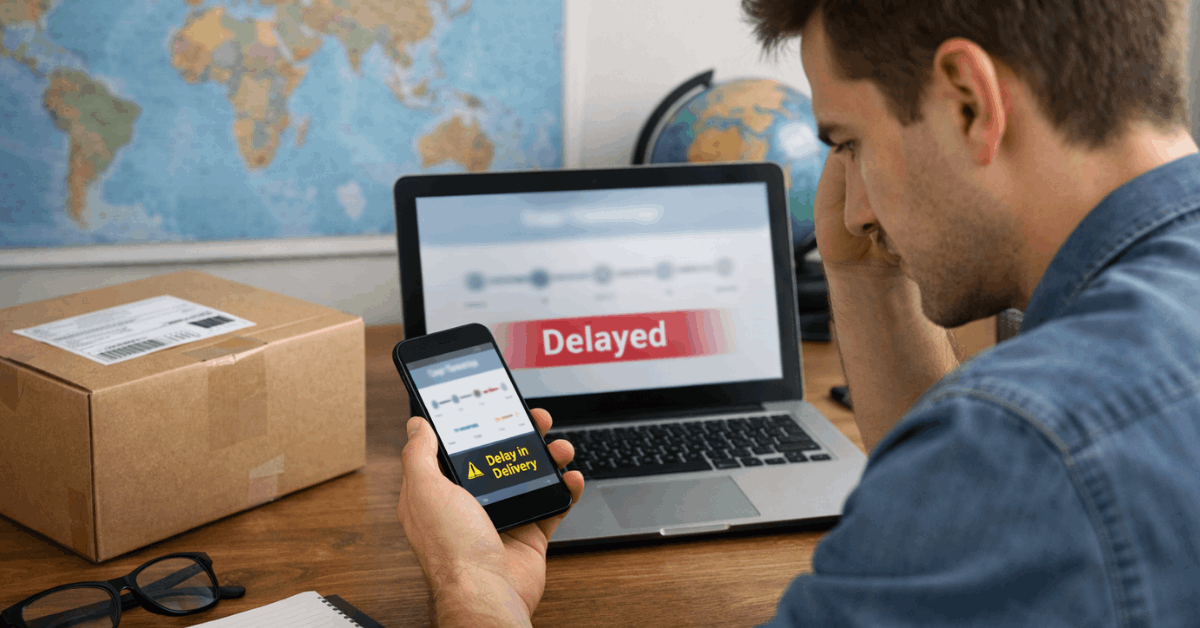
You order from an international marketplace expecting longer delivery times, but delays can still be frustrating.
This guide explains what to do when an international order is stuck, using practical steps based on real buying experiences.
You learn how to assess delays, communicate with sellers, and protect your purchase.
Understanding What “Stuck” Really Means
You need to confirm whether your order is truly stalled or simply moving slowly through the international shipping process.
Many international shipments pause between stages without visible tracking updates.
- Your package may be with a carrier, waiting to be scanned after leaving the origin country.
- Tracking can remain unchanged while the shipment is in transit by sea or air.
- The item may have arrived in the destination country but is waiting for customs processing.
- Updates can pause when local carriers have not yet taken possession of the package.
Common Signs an Order Is Delayed
You can spot a delayed international order by focusing on specific tracking behaviors.
Each sign below highlights a different type of shipping slowdown.
- No Tracking Updates – The status has not changed for an extended period, suggesting the package is between transit points or awaiting a scan.
- In Transit Without Movement – The order remains marked as moving, but no new locations or timestamps appear.
- Arrived but Not Delivered – The package shows arrival in the destination country but does not progress to local delivery.
- Missed Delivery Window – The promised delivery timeframe has passed with no delivery attempt or notice.

Check the Tracking Information Carefully
You should treat tracking details as your primary source of information when an order appears delayed.
Reading tracking updates correctly helps you avoid unnecessary disputes and confusion.
- Review the Last Scan – Check the most recent location and date to understand where movement stopped.
- Identify Carrier Handoffs – Look for changes between international and local carriers that may pause updates.
- Watch for Customs Messages – Notices related to clearance or inspections often explain long delays.
- Confirm Tracking Validity – Make sure the tracking number is active and matches the carrier shown.
How to Read International Tracking Updates
You need to read international tracking updates with realistic expectations about how global shipping works.
These points help you understand what each update usually means.
- Carrier Transfers – Updates may pause when the package moves from one logistics provider to another.
- Generic Status Messages – Terms like “in transit” often cover long periods without visible movement.
- Customs-Related Notices – Messages mentioning clearance or inspection indicate processing rather than transport.
- Final-Mile Gaps – Tracking may stop temporarily before a local carrier completes delivery.
Compare Delivery Time With Seller Promises
You should always measure a delay against the seller’s delivery timeframe.
This comparison helps you decide whether the situation is normal or needs action.
- Check the Estimated Delivery Window – Review the original delivery dates shown at checkout or in your order details.
- Account for Processing Time – Sellers may take several days to ship, which can affect the timeline.
- Review Shipping Method Used – Economy and untracked shipping options often entail longer delivery times.
- Look for Seller Warnings – Notes about customs delays, holidays, or peak seasons explain extended timelines.
When a Delay Is Still Acceptable
You do not always need to act immediately when an international order moves slowly.
These situations usually fall within normal shipping expectations.
- Delivery Window Still Open – The estimated delivery timeframe has not yet passed.
- Tracking Shows Recent Movement – Even slow updates indicate the package is still progressing.
- Customs Processing Ongoing – Clearance checks can hold packages without warning.
- Seller Gave Prior Notice – The seller clearly warned about possible delays at checkout or after purchase.
When a Delay Becomes a Red Flag
You should reassess the situation when delays exceed expectations.
These signs suggest the order may require action or escalation.
- Delivery Window Fully Passed – The promised timeframe has ended with no delivery or update.
- No Tracking Movement for Weeks – The status has not changed for an unusually long period.
- Seller Stops Responding – Messages go unanswered or receive only vague responses.
- Tracking Shows Return or Exception – Updates indicate the package was returned, rejected, or lost.
Contact the Seller the Right Way
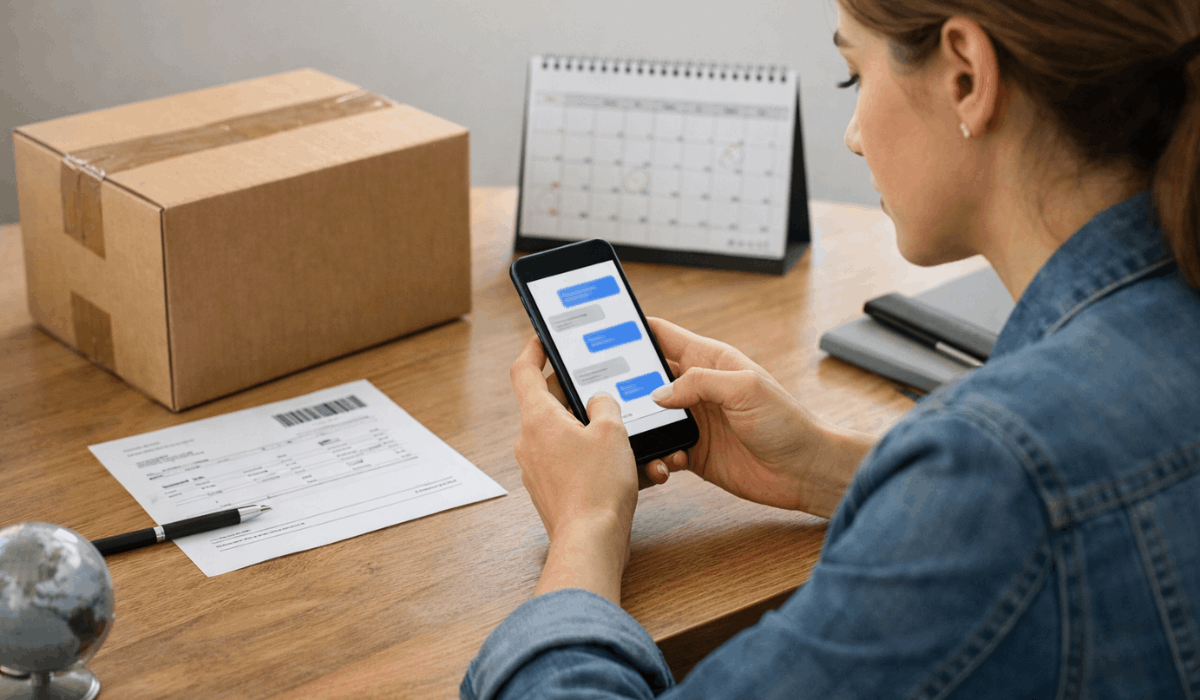
You improve the chances of resolving a delay when you contact the seller clearly and professionally.
Accurate information and a calm tone help move the conversation forward.
- Share Order Details Clearly – Include the order number and tracking reference in your first message.
- State the Issue Factually – Mention the last tracking update and how long it has been since the last change.
- Ask for Specific Help – Request a status check, confirmation, or next steps rather than general answers.
- Allow Reasonable Response Time – Give the seller time to reply before escalating the issue.
Understand Customs and Import Delays
You should expect customs processing to affect delivery timelines for international shipments.
These delays often occur outside the seller’s direct control.
- Documentation Checks – Missing or incorrect paperwork can hold a package at customs.
- Import Taxes and Duties – Orders may pause until required fees are paid.
- Random Inspections – Some shipments are selected for additional review without notice.
- Restricted or Regulated Items – Certain products require extra approval before release.
Check Local Carrier and Last-Mile Delivery Issues
You should confirm whether your order has already reached your country and is now in local delivery.
Many international delays happen after the package leaves customs.
- Carrier Transfer After Customs – International tracking may stop once a local courier takes over.
- New or Secondary Tracking Numbers – Some local carriers assign a different tracking reference.
- Address or Delivery Attempt Issues – Failed delivery attempts can pause progress without clear notice.
- Local Backlogs or Service Delays – Domestic couriers may face congestion, holidays, or staffing issues.
Review Marketplace Shipping Policies
You should understand the platform’s shipping rules before taking further action.
Marketplace policies determine deadlines, refunds, and dispute outcomes.
- Delivery Time Limits – Platforms set maximum delivery periods before protection applies.
- Dispute and Claim Windows – You must open cases within the specified timeframes to remain protected.
- Automatic Refund Rules – Some marketplaces issue refunds when orders exceed allowed delays.
- Seller Responsibility Guidelines – Policies define when sellers must replace or refund delayed orders.
Why Platform Rules Matter
You protect your purchase by understanding how marketplace rules work.
These rules directly affect what actions you can take and when.
- Time Limits for Action – Missing deadlines can void your right to refunds or claims.
- Eligibility for Buyer Protection – Only orders that meet policy conditions qualify for coverage.
- Defined Seller Obligations – Platforms specify when sellers must resolve delivery failures.
- Automatic Resolution Triggers – Some systems refund orders once delay thresholds are reached.
Avoiding the Same Problem in Future Orders
You can reduce the risk of delayed international orders by adjusting how you shop and choose sellers.
Simple checks before buying help prevent repeated delivery issues.
- Review Seller Delivery History – Check feedback that mentions shipping speed and reliability.
- Choose Tracked Shipping Options – Tracking provides visibility and support in case of delays.
- Avoid Unrealistic Shipping Offers – Extreme promises of cheap or fast shipping often lead to problems.
- Read Listing and Policy Details – Shipping notes and handling times set clear expectations.
Conclusion: Staying Calm and In Control
An international order can slow down for many reasons, but knowing how to respond keeps the situation manageable.
When you monitor tracking, contact sellers correctly, and follow marketplace rules, you protect both your time and money.
Use this guide whenever an international order appears stuck so you can act confidently and avoid unnecessary losses.