Buying from international marketplaces often looks cheaper until extra fees appear after checkout or delivery.
This guide explains how to avoid surprise fees when buying abroad by focusing on real buyer experiences, platform behavior, and shipping practices.
You will learn how to spot hidden costs early and protect your budget before you pay.
What Counts as a Surprise Fee When Buying Abroad
Surprise fees are extra charges you did not clearly see or expect at checkout. They usually appear during payment processing, shipping, or delivery.
Knowing these fees helps you estimate the real cost before buying.
- Customs duties – Taxes charged by your country when a product crosses the border.
- Import or VAT taxes – Government taxes applied based on product value and category.
- Currency conversion fees – Extra charges added when you pay in a foreign currency.
- Foreign transaction fees – Fees charged by your bank or card issuer for international payments.
- Carrier handling fees – Service charges added by couriers for customs clearance.
- Delivery-on-arrival charges – Fees collected before the package is released to you.
Where Surprise Fees Usually Come From
Surprise fees usually come from gaps between the listing price and how international orders are processed.
They appear because different systems handle taxes, payments, and delivery. Knowing the sources helps you predict extra costs before checkout.
- Customs authorities – Government agencies apply duties and taxes when goods enter the country.
- Marketplaces – Some platforms do not include taxes or import fees in the listed price.
- Payment providers – Banks and cards add conversion and foreign transaction fees.
- Shipping carriers – Couriers charge clearance, handling, and processing fees.
- Seller location – Cross-border sellers trigger fees that local sellers do not.
- Delivery method – Express shipping often adds extra service charges.
How to Spot Hidden Fees Before You Buy
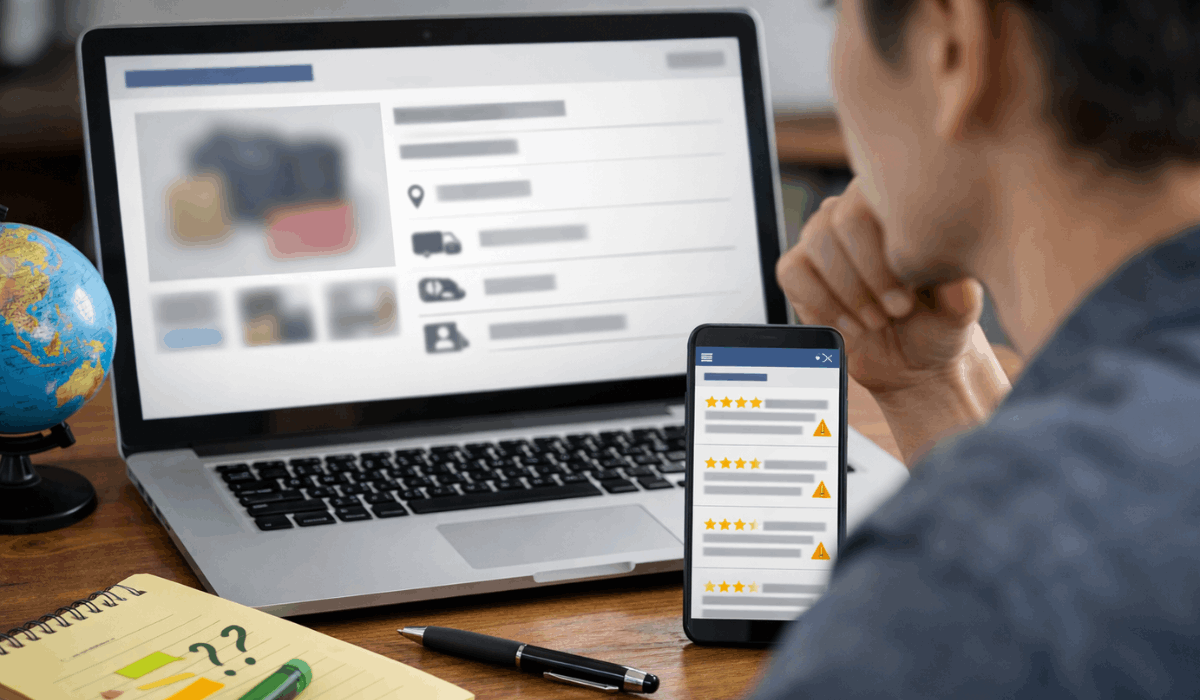
Hidden fees can often be detected before you place an order if you know where to look. Most warning signs appear in listings, reviews, and shipping details.
Checking these areas helps you avoid unexpected costs later.
- Read the full listing details – Look beyond the main price and scan shipping and tax notes.
- Check the seller’s location – Overseas sellers increase the chance of customs and import fees.
- Review shipping methods carefully – Express couriers often add clearance and handling charges.
- Scan buyer reviews for patterns – Repeated mentions of taxes or fees are a clear warning sign.
- Confirm the checkout currency – Paying in a foreign currency usually adds conversion fees.
- Look for tax estimates at checkout – Missing tax breakdowns often mean fees are unpaid.
Understanding Marketplace Fee Policies
Marketplace fee policies determine whether taxes and charges are shown upfront or applied at delivery.
These rules vary by platform and affect your final cost. You need to understand them before you trust the listed price.
- Upfront tax calculation – Some marketplaces estimate and collect taxes during checkout.
- Buyer-paid import fees – Other platforms leave customs and VAT payments to you at delivery.
- Incomplete fee coverage – Even with upfront taxes, carrier handling fees may still apply.
- Seller-controlled pricing – Sellers may exclude fees even when the platform allows estimates.
- Limited fee dispute options – Marketplaces often treat government and carrier fees as non-refundable.
How Delivery Method Affects Final Cost
The delivery method plays a major role in how many extra fees you pay. Faster shipping usually means more service charges.
Slower options often reduce handling costs but increase wait time.
- Express courier shipping – Adds clearance, brokerage, and handling fees on top of shipping.
- Standard courier shipping – Still includes processing fees, but usually at a lower rate.
- Postal service shipping – Often avoids extra handling fees but moves through customs more slowly.
- Door-to-door delivery – Increases service charges for convenience and tracking.
- Warehouse consolidation shipping – May reduce fees by consolidating shipments.
How Seller Reliability Affects Surprise Fees
Seller reliability directly affects how clear fees are before and after purchase. Weak seller practices increase unexpected costs.
- Accurate declarations – Correct item values reduce the need for customs adjustments.
- Complete paperwork – Proper documents prevent extra clearance fees.
- Clear fee disclosure – Reliable sellers explain who pays taxes and duties.
- Consistent communication – Fast replies reduce last-minute surprises.
- Policy compliance – Trusted sellers follow marketplace fee rules.
How Country-Specific Rules Change Final Costs
Import rules vary by country and change the final amount you pay. Local regulations shape fees more than listing prices.
- Tax thresholds – Low limits trigger duties on small orders.
- Product categories – Some items face higher import taxes.
- VAT rates – Local tax percentages affect the total cost.
- Trade agreements – Certain imports qualify for reduced duties.
- Policy changes – New rules can add fees without warning.
What to Do Before Paying
Actions you take before payment determine whether surprise fees appear later. A short review can protect your budget.
These checks help you confirm the real total cost.
- Estimate the full landed cost – Include product price, shipping, taxes, and possible duties.
- Confirm the checkout currency – Avoid dynamic currency conversion when possible.
- Check payment method fees – Use cards or wallets with low foreign transaction fees.
- Review tax and duty disclosures – Look for notes on unpaid import charges.
- Compare delivery options – Balance speed against extra service fees.
- Save listing and checkout details – Keep records in case of disputes.
What to Do If You Are Charged Unexpected Fees
Unexpected fees sometimes appear even after careful checks. Your response should be fast and organized.
These steps help you decide whether to accept, question, or dispute the charges.
- Confirm the fee source – Check if the charge comes from customs, the carrier, or your bank.
- Review marketplace policies – See if the platform states these fees are buyer-paid.
- Request a fee breakdown – Ask the carrier or seller for itemized charges.
- Pay the required release fees first – Some charges must be paid to receive your package.
- Document everything – Save invoices, receipts, and delivery notices.
- Contact support if needed – Reach out to the marketplace or payment provider for clarification.
Common Mistakes Buyers Make
Many surprise fees happen because buyers rely only on the listed price. Small oversights add up during international checkout and delivery.
Avoiding these mistakes helps you control the final cost.
- Ignoring import tax thresholds – Small orders can still trigger duties in some countries.
- Assuming taxes are included – Many listings show prices without VAT or customs fees.
- Choosing the fastest shipping by default – Speed often adds clearance and handling costs.
- Overlooking currency conversion settings – Automatic conversion usually costs more.
- Skipping recent buyer reviews – Fee patterns often appear in newer feedback.
- Trusting “free shipping” labels – Shipping may be free, while fees are not.
The Bottomline
Surprise fees are avoidable when you focus on the total cost, not just the listed price.
Checking seller reliability, delivery methods, and marketplace policies helps you stay in control of your budget.
Apply these steps before every international purchase so you buy with confidence and avoid paying more than expected.