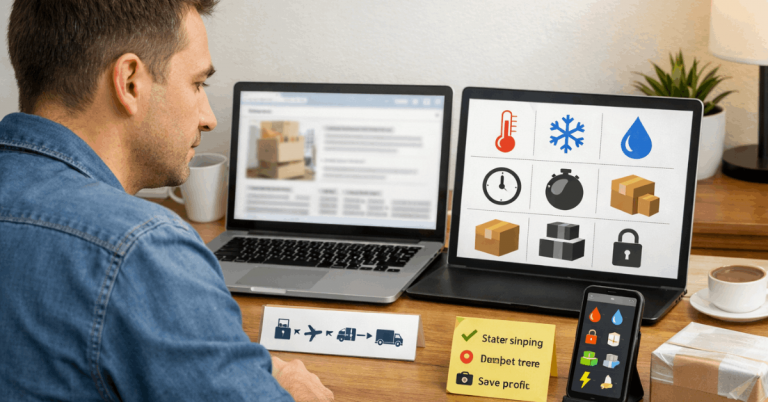
That listing says “factory direct” and your brain immediately translates it to “cheaper.” Every online shopper has done it. The label creates a mental shortcut that skips the part where you ask hard questions.
But factory direct has no standardized definition on any major marketplace. Sellers use the phrase freely, and no platform verifies whether the product ships from a factory floor or a middleman’s closet.
I think that matters more than most buyers realize, especially on cross-border platforms where returns cost as much as the original item. The disconnect between the label and what arrives at your door is where real money gets lost.
So what does factory direct mean when there are no rules around who gets to use it? That question drives everything below.
Does “Factory Direct” Have an Official Definition on Marketplaces?
Not even close. Platforms like AliExpress, Alibaba, and Temu let sellers apply the factory direct tag without any verification process tied to manufacturing licenses or production records. The term operates as a marketing label, not a sourced claim.
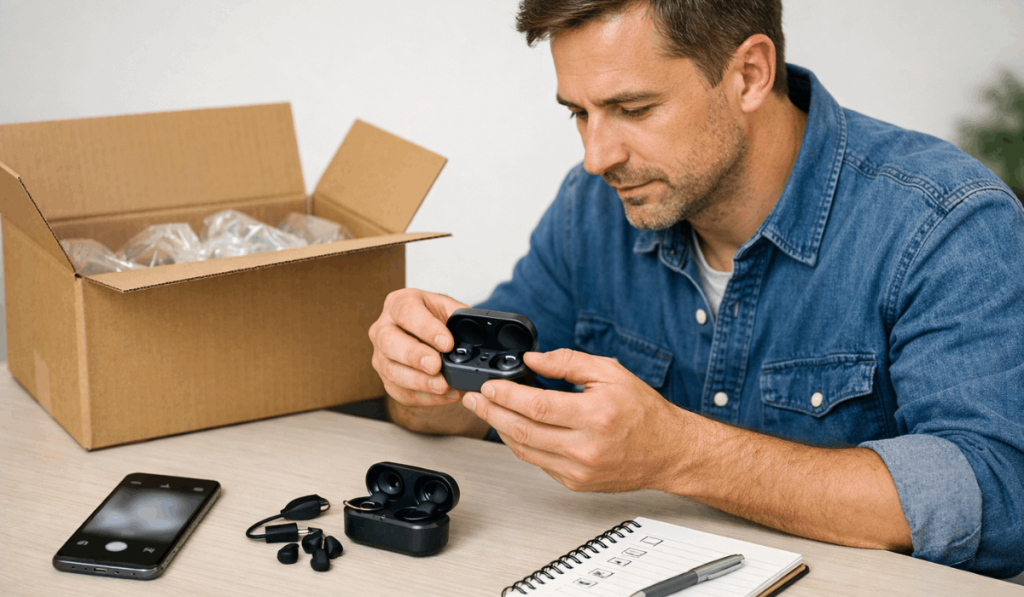
A seller calling themselves “factory direct” could be any one of three things: an actual manufacturer, an authorized reseller buying in bulk, or a random third-party seller who slapped the label on because it converts better. And all three look identical in a product listing.
No Platform Has a Verification Standard
Search for “factory direct” on AliExpress right now and you will find thousands of listings. None of them have a platform-issued badge confirming the seller operates a factory.
Alibaba’s “Verified Supplier” badge checks company registration, but that only confirms the business exists. It does not confirm that business manufactures the products it sells.
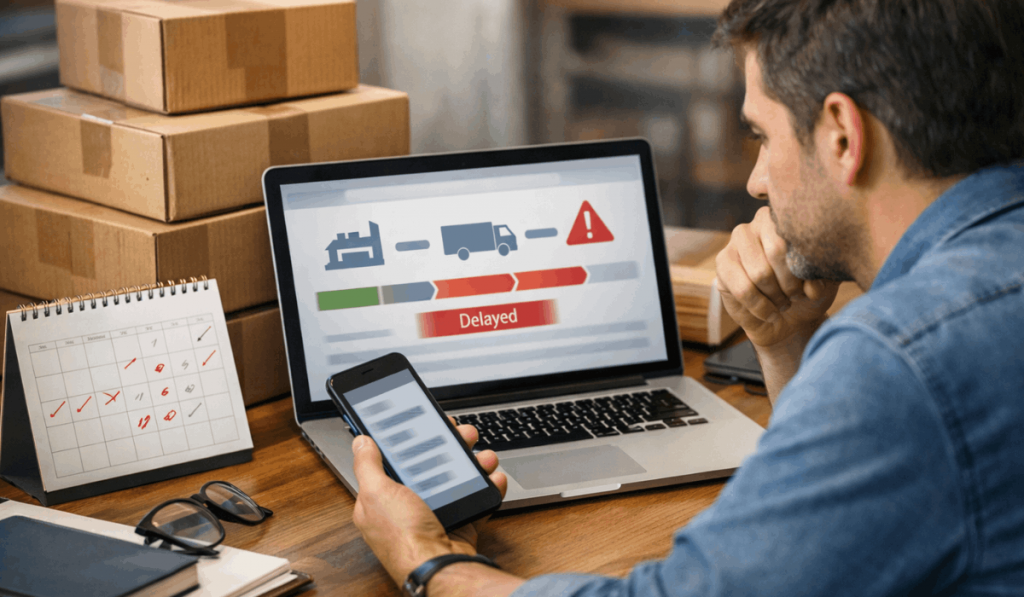
This absence of verification is the single biggest gap that buyers overlook. The label is self-applied. Compare that to Amazon’s “Ships from and sold by Amazon” tag, which at least confirms fulfillment origin. On cross-border platforms, factory direct is a claim nobody checks.
How Sellers Game the Label
Some sellers run small assembly operations and call it manufacturing.
Others purchase finished goods from a factory down the road, mark them up, and list under the factory direct tag because the product technically touched a factory at some point. The lack of a standard definition makes all of this perfectly allowed.
I would pay close attention to product range consistency when evaluating a seller on Alibaba. A seller listing phone cases, pet beds, kitchen tools, and LED strips is almost certainly not manufacturing all of those products.
A real factory seller usually carries a narrow range of related items because production lines have limited scope.
Factory Direct Pricing: Why “Cheaper” Is Usually a Myth
The assumption that cutting out middlemen automatically means lower prices sounds logical. But factory direct pricing rarely works the way buyers imagine, especially for individual orders.
Hidden Costs That Eat the Savings
Factories price products based on order volume. A single-unit order from an individual buyer gets the worst possible per-unit price. The “wholesale” savings everyone imagines apply to orders of 500 or 1,000 pieces, not the two phone chargers you added to your cart.
Then stack the costs that follow:
- International shipping fees often exceed 30% of the product price for lightweight items under $20
- Import duties and VAT vary by country but can add 10% to 25% depending on product category and destination
- Currency conversion fees charged by payment processors clip another small percentage on every transaction
- Return shipping costs for cross-border orders can run $15 to $40 per package, sometimes more than the product itself
After those costs stack up, the “factory direct” price for a single buyer often lands higher than the same product sold through a domestic warehouse with free returns.
Also read: How to Identify Fake Listings on Marketplaces
The Volume Discount Trap
Sellers on Alibaba regularly display tiered pricing: $2.50 per unit for 1 to 49 pieces, $1.80 for 50 to 499, $1.20 for 500 and above.
That bottom tier is the price buyers fixate on. But ordering 500 units of anything as an individual buyer introduces storage, quality inspection, and resale complications that turn a discount into a liability.
I think the common advice to “buy factory direct to save money” is wrong for individual buyers purchasing under 50 units. The per-unit savings disappear once shipping, customs duties, and the risk of receiving defective goods with no easy return are factored into the total landed cost.
A domestic Amazon warehouse listing at a slightly higher sticker price frequently costs less overall because returns are free and delivery takes days instead of weeks.
Factory Direct Quality: Expect Inconsistency Between Batches
Quality is the second big assumption that falls apart. The idea that buying direct from the factory means better quality assumes factories have strong internal quality control. Many do. Many do not.
Batch-to-Batch Variation
A factory producing thousands of units per day can have noticeable variation between production runs.
Different batches of the same product may use slightly different material grades, especially when raw material prices fluctuate. The phone case you ordered in January might feel different from the same SKU ordered in June because the silicone supplier changed.
Warehouse-based sellers sometimes catch these variations during their own inspection before dispatch. Factory direct orders skip that secondary check entirely.
Packaging Tells a Story
One reliable quality signal is packaging. Factory direct shipments tend to use minimal protective packaging because the factory optimizes for bulk container shipping, not individual parcel delivery. Products that travel 6,000 miles in a thin poly bag have a higher damage rate on arrival.
Look at buyer photos in reviews. Damaged packaging complaints are a pattern worth tracking because they reveal whether the seller packs for individual shipping or just tosses items in the cheapest envelope available.
| Factor | Factory Direct | Warehouse Shipped |
|---|---|---|
| Per-unit price (single order) | Higher than expected after shipping and duties | Competitive with bundled logistics costs |
| Delivery speed | 15 to 45 days typical | 2 to 7 days for domestic fulfillment |
| Return process | Costly international return, limited windows | Free or low-cost domestic returns |
| Quality inspection | Depends entirely on factory standards | Secondary inspection common before dispatch |
| Packaging | Minimal, optimized for bulk | Consistent, designed for individual parcels |
The takeaway: warehouse-shipped products win on total cost and buyer protection for orders under 50 units.
Communication Gaps and Dispute Headaches
Ordering factory direct from a cross-border seller means communicating across time zones, language barriers, and different business customs. These friction points become real problems when something goes wrong.
Slow Response Times
Factories prioritize production schedules over customer service. A factory with 200 workers on the floor might have one or two people handling online inquiries.
Response times of 24 to 48 hours are common, and complex issues like partial shipments or defective items can take a week to get a clear answer.
Dispute Windows Are Tight
Platforms like AliExpress give buyers a limited window to open disputes after delivery confirmation.
If a package takes 30 days to arrive and the dispute window is 15 days after delivery, the timeline for catching defects, documenting them with photos and video, and filing a claim gets uncomfortably narrow.
Partial refunds are the most common resolution for factory direct disputes. Sellers propose a 30% to 50% refund to avoid a full return because international return shipping costs make full refunds unprofitable. Buyers often accept because shipping the item back costs more than the refund itself.
One thing worth doing before any purchase over $50 on a cross-border platform: screenshot the seller’s return policy, check the platform’s dispute timeline, and calculate return shipping costs to that seller’s country.
If the return cost exceeds 40% of the product price, factor that into the buying decision up front.
When Factory Direct Orders Make Sense
Not every factory direct purchase is a bad idea. Certain buying situations align well with the model. Consider factory direct when placing bulk orders above 100 units of a simple product with low defect risk, like packaging materials, basic accessories, or uniform textiles.
Custom-manufactured products that require specific dimensions or branding also make sense to order directly from a factory because customization needs direct production access.
Price-focused purchases where speed does not matter can work too. A buyer willing to wait 30 to 45 days for delivery and who does not need an easy return path can sometimes find genuinely lower prices on Alibaba for the right product categories.
But single-item purchases, branded goods, complex electronics, or anything with tight deadlines? Skip the factory direct label and buy from a domestic fulfillment seller instead. The price difference is smaller than you think, and the buyer protection is dramatically better.
The Federal Trade Commission’s guidance on online shopping covers dispute rights and return protections that apply to domestic purchases but become harder to enforce on cross-border factory direct orders.
Questions People Ask About Factory Direct Buying
Q: Can I trust “factory direct” labels on AliExpress or Temu?
The label is self-applied and unverified on both platforms. A seller can add it to any listing without proving they operate or own a factory. Checking seller history, product range, and buyer reviews gives better signals than the label alone.
Q: Is factory direct always cheaper than buying from Amazon?
For individual orders, usually not. After adding international shipping, customs duties, and the risk of costly returns, the total landed cost often exceeds what a domestic warehouse seller charges. Bulk orders above 100 units are where factory pricing starts to make sense.
Q: How long does factory direct shipping take?
Expect 15 to 45 days for most factory direct orders from China-based sellers. Some products are manufactured after purchase rather than shipped from stock, which adds production time on top of transit time.
Q: What should I check before buying factory direct?
Look at the seller’s product range for consistency, read buyer reviews for patterns in quality complaints or packaging damage, check the platform’s dispute timeline, and calculate return shipping costs to the seller’s country before ordering.
Q: Are factory direct products lower quality?
Not necessarily, but quality varies more between batches because there is no secondary inspection step. Warehouse sellers often catch defective units before shipping, while factory direct orders go straight from the production line to your package.
Conclusion
Buying factory direct sounds like a shortcut to a better deal, but the label carries no regulation. Total cost, return logistics, and delivery timelines matter more than the sticker price on a listing.
Smart cross-border buyers compare the landed cost of factory direct orders against domestic alternatives before clicking checkout. The label is marketing, and the math is what protects your wallet.