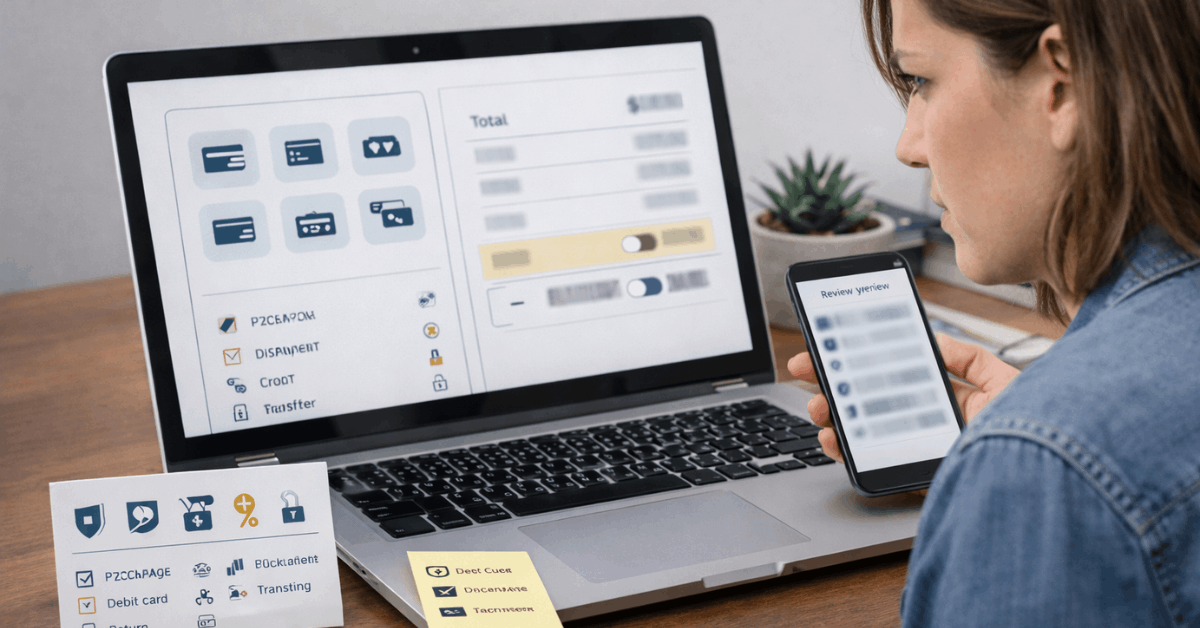
International shopping is easier than ever, but the payment method you choose can decide whether you get a fair price, a clean refund, and real dispute support.
This guide compares the safest options for cross-border orders, focusing on buyer protection, currency conversion costs, and refund reliability.
You will learn which method fits your risk level, how to avoid hidden fees at checkout, and what to do before you pay.
The 5 Things You Must Evaluate Before You Pay
Before you pay, check these five basics to confirm your protection, your real total cost, and your refund options.
This prevents fees and disputes from becoming surprises.
- Protection — Check if your payment method supports disputes and chargebacks, and how long you have to file a claim.
- Conversion — Look at the exchange rate used at checkout and avoid options that add hidden currency markups.
- Fees — Confirm foreign transaction, processing, and “service” fees so the final total does not jump after payment.
- Refunds — Know how refunds are issued, how long they take, and whether you get cash back or store credit.
- Security — Use methods with 2FA, alerts, and strong fraud controls to reduce account and card exposure.
Best Payment Methods Ranked by Real-World Safety
Before you choose a payment method, compare how well each option protects you when delivery is late, the item arrives wrong, or a refund gets messy.
This ranking prioritizes real dispute outcomes, refund reliability, and fraud risk.
- Credit card — Strongest buyer protection and chargeback options.
- Digital wallet (PayPal-style checkout) — Adds privacy and convenience, with solid dispute support in many cases.
- Virtual card / disposable card numbers — Limits exposure and blocks unwanted rebilling.
- Debit card — Works for low-risk buys, but protection is often weaker, and funds are closer to your bank balance.
- Bank transfer / direct transfer — Lowest buyer protection; use only when trust is high, and platform safeguards are clear.
Marketplace Checkout Options and What They Usually Mean
Marketplace checkout labels can look clear, but they often change how you’re charged, which exchange rate you get, and how refunds are handled.
Use this list to understand what those options usually mean before you click “Pay.”
- Pay now — You’re charged immediately, and the order moves to processing.
- Authorization / pending charge — The seller reserves funds first, then captures the final amount when shipping starts.
- Pay in seller currency — Your bank/card converts the amount, often with a better rate than “pay in your currency.”
- Pay in your currency (DCC) — The marketplace converts the amount and may add a higher exchange-rate markup.
- Stored card / one-click checkout — Faster payment, but higher risk if your account is compromised or you forget saved details.
- Digital wallet checkout — You pay through a wallet account, so the seller may not see your card number.
- Installments / BNPL — You split payments, but returns and refunds can take longer and involve extra steps.
- Coupons + store credit mix — Discounts apply first, but refunds may return as credit depending on the policy.
- Shipping insurance/protection add-on — Optional coverage that can help with loss or damage, but terms vary.
- Separate “service fee” or “processing fee” line — Extra charges that affect the true total and can change refund amounts.
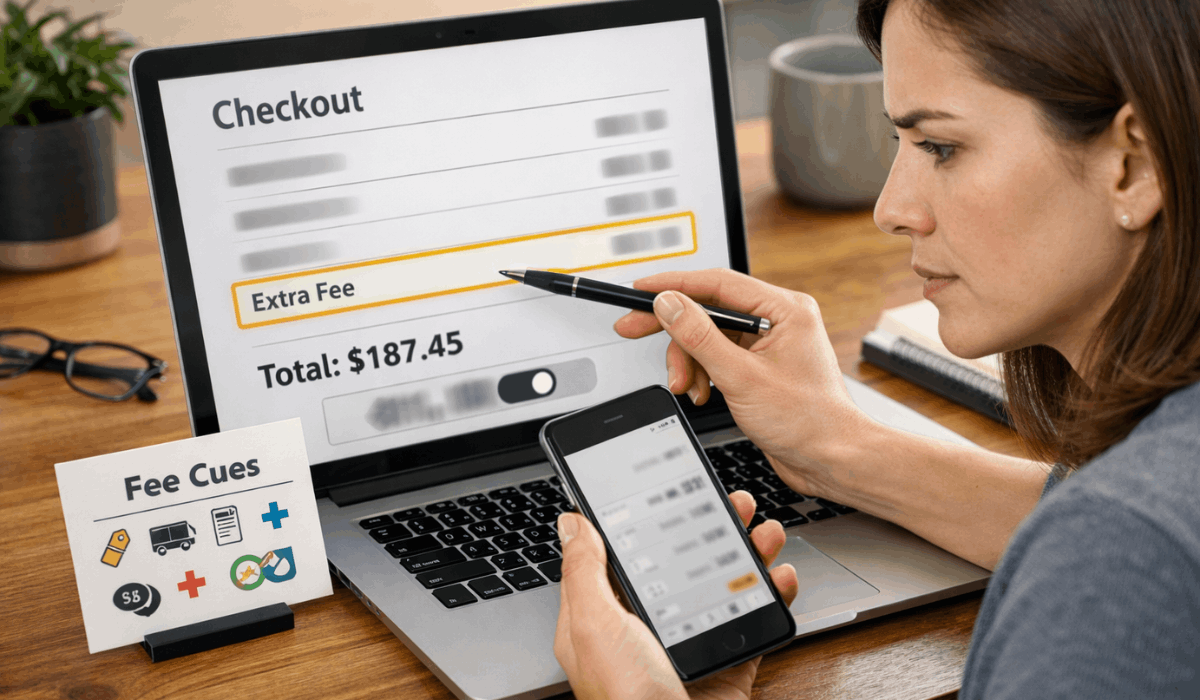
Fees You Should Expect and How to Reduce Them
International checkouts can add hidden fees at the last step, and small percentages add up quickly.
Use this list to spot the most common fees and reduce them before you pay.
- Foreign transaction fee — Use a card with 0% foreign transaction fees when possible.
- Exchange-rate spread — Pay in the seller’s currency, so your card issuer sets the conversion instead of the marketplace.
- Dynamic currency conversion (DCC) — Decline “pay in your currency” offers when they add a markup.
- Payment processing fee — Compare checkout methods; some wallets or cards add extra cross-border charges.
- Marketplace service fee — Check the fee line items at checkout and compare sellers who bundle fees into price/shipping.
- Installment/BNPL fees — Avoid plans with added interest or late fees unless the terms are clear and manageable.
- Refund conversion loss — Track the currency used at purchase, since refunds can be returned at a different rate.
- Cash-advance risk on some cards — Avoid paying in ways that can be coded as cash-like transactions.
Refunds, Returns, and Disputes — Match the Method to the Risk
Refunds and disputes are where payment choice matters most, because each method gives you different protection and refund outcomes.
Use this list to match your payment method to the appropriate risk level.
- Late delivery / “item not received” — Use a credit card or a wallet with dispute support for stronger backup.
- Wrong / damaged / “not as described” — Prefer a credit card so you have better chargeback options.
- High-value items — Use a credit card or virtual card tied to credit to limit exposure.
- Unknown sellers — Use a virtual card or wallet to reduce data risk and the risk of rebilling.
- Partial refunds / store credit pressure — Choose methods that refund to the original payment source when possible.
- Trials / subscriptions / add-ons — Use virtual cards or easy freeze/lock controls to stop repeats.
- Need faster cash flow — Pick methods with clear refund rules, not “fast refund” promises.
- Avoid when possible — Use debit only for low-risk buys, and avoid bank transfers for most orders.
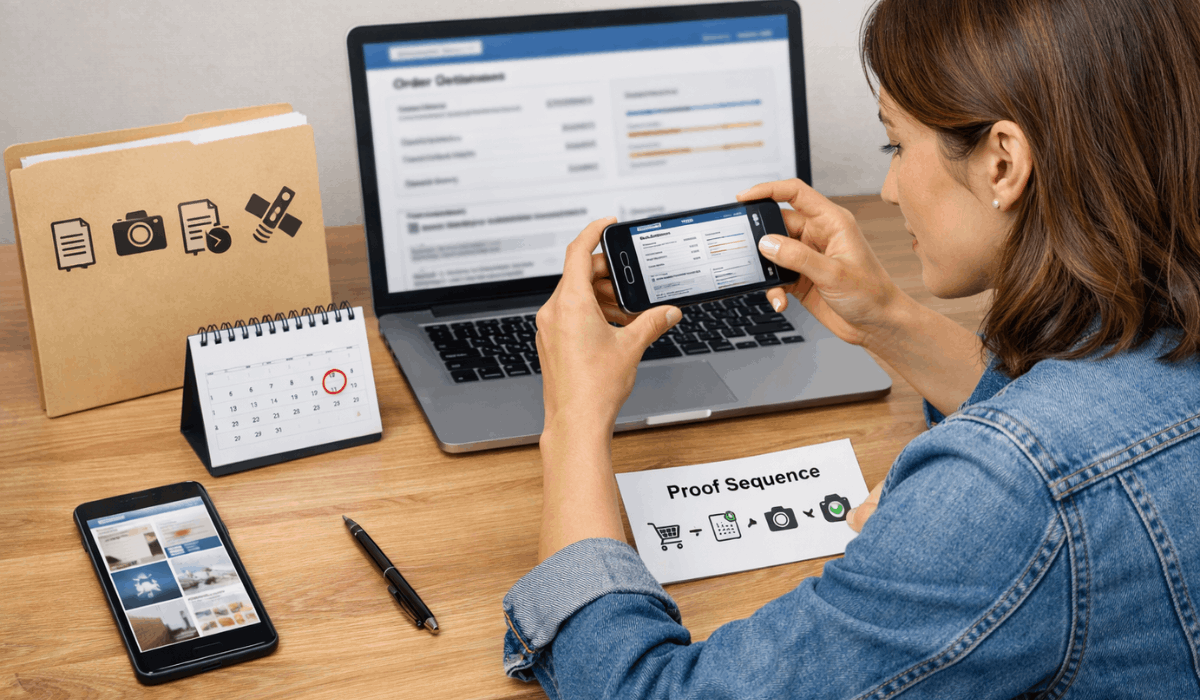
Safety Setup Before You Place the Order
A few quick settings before you buy can prevent fraud, make refunds smoother, and save you time if the order goes wrong.
Use this checklist to lock down your payment and capture proof before checkout.
- Turn on 2FA — Protect your marketplace and wallet accounts from login takeovers.
- Enable instant purchase alerts — Get notified right away if a charge is wrong.
- Use a dedicated payment method — Keep international purchases separate from your main spending account.
- Use virtual cards when available — Limit exposure and reduce subscription or rebilling risk.
- Set spending limits or transaction caps — Lower the damage if a checkout is compromised.
- Check the currency setting before paying — Avoid “pay in your currency” conversion markups when possible.
- Screenshot the final checkout page — Save the total, delivery window, return terms, and item details as proof.
- Keep tracking and messages in one place — Save order ID, tracking number, and seller chat for disputes.
Recommended Picks by Shopper Type
Different shoppers face different risks, so the best payment method depends on what you’re buying and how much protection you need.
Use these picks to make quick choices and avoid refund or dispute issues.
- First-time international buyer — Credit card (or wallet backed by a credit card) for stronger protection.
- Frequent shopper chasing low total cost — No-foreign-transaction-fee credit card + pay in seller currency to reduce FX costs.
- High-value electronics buyer — Credit card + a virtual card number if available for tighter control.
- Buying from a new/unknown seller — Virtual/disposable card or wallet checkout to limit exposure.
- Subscription-risk shopper — Virtual card or easy lock/freeze controls to stop repeats.
- Low-risk, low-cost small orders — Debit card only if you track charges and accept weaker protection.
- Needs strict budgeting control — Prepaid/virtual card with a fixed limit to cap spending.
The Bottomline
For International shopping, the safest default payment method is a credit card, with digital wallets and virtual cards as strong options for extra control.
You avoid most surprises by declining DCC, checking cross-border fees, and saving proof for refunds or disputes.
Use this guide on your next International Shopping checkout and choose the payment method that matches your risk before you place the order.