That package from an overseas marketplace just hit your doorstep. The temptation to rip it open and move on with your day is real. Most buyers do exactly that.
But testing product quality after delivery has a deadline attached to it. Miss that deadline, and no amount of photos or complaint emails will save your money.
Every international marketplace runs on a buyer protection clock. Once that timer expires, the seller wins by default, even if the product is garbage.
So the question becomes: what do you check, how fast do you check it, and what do you document? That’s where a simple system for testing product quality after delivery changes everything.
What to Check the Minute a Package Arrives
The first five minutes after delivery carry more weight than the next five weeks.
Buyer protection windows on platforms like AliExpress typically run 15 days after confirmed delivery, and Temu sets similar limits. Once that window closes, your options shrink to almost nothing.

A quick but structured check during those first minutes gives you the raw material for any dispute or return claim later. The goal here is speed plus documentation, not perfection.
Outer Packaging Tells a Story
Look at the box or mailer before opening anything. Dents, water stains, crushed corners, or signs of resealing all matter.
A damaged outer box paired with a damaged product points toward a shipping carrier problem. An intact box hiding a broken item points back to the seller or factory.
Snap two or three photos of the package from different angles while it still sits at your door. This takes 30 seconds and gives you evidence that platforms take seriously during disputes.
Open Carefully and Match Everything
Tear the package open carelessly and you might damage the item yourself, which kills your claim. Use scissors or a blade along the tape line instead.
Once it’s open, lay out every piece: the product, cables, manuals, accessories. Compare that pile against the listing.
Missing accessories count as a valid dispute reason on AliExpress and similar platforms. Check model numbers, color, size, and quantity against what the order confirmation says.
Hands-On Product Quality Testing by Category
A visual scan catches surface problems, but real defects hide inside the product’s performance. Testing product quality after delivery means going beyond “does it look right” and into “does it work right.”
The type of test depends entirely on what the product is. A phone case and a Bluetooth speaker need completely different checks, so running the same generic checklist across every item is a waste of time.
Electronics and Gadgets
Power the device on immediately. Listen for unusual buzzing, clicking, or fan noise. Check that all buttons respond and that the screen (if there is one) displays evenly without dead pixels or color bleeding.
Run the core function the product was bought for. A portable charger should charge a phone at the advertised speed.
A wireless earbud should connect and hold audio without dropouts. Test for at least 10 to 15 minutes of continuous use, because some defects only show up once the device heats up.
Clothing and Fabric Items
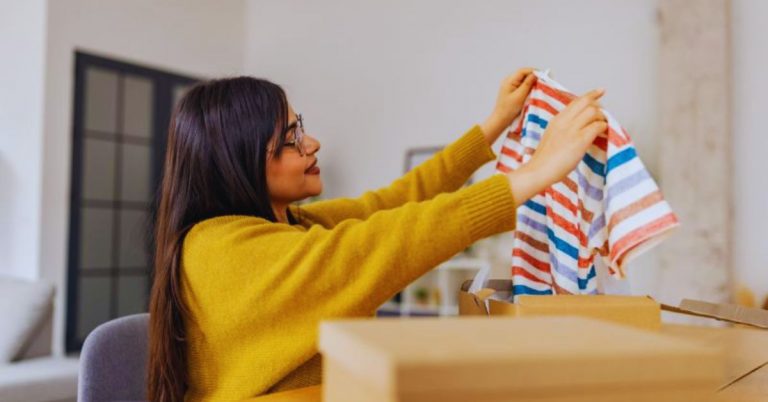
Stretch seams gently. Poor stitching reveals itself immediately when pulled. Check zippers, buttons, and snaps for smooth operation. Compare the fabric weight and texture to what was advertised.
Smell the fabric. A strong chemical odor often signals low-quality dyes or unsafe materials. That smell rarely washes out and can irritate skin, especially for children’s clothing.
Assembled or Mechanical Products
Furniture, tools, and anything with moving parts needs a stability test. Apply light pressure at joints. Wobble means weak construction. Open and close hinges, drawers, and latches several times.
Check that all screws, bolts, and hardware match the instruction sheet. Missing parts are common in low-cost international shipments, and sellers rarely send replacements once buyer protection expires.
Also read: Why Some Products Age Poorly in Transit
Listing vs. Reality: The Comparison That Wins Disputes
The original product listing is your contract. Screenshots of that listing, taken before or right after purchase, carry weight if you need to file a claim.
I think the single biggest mistake buyers make on platforms like AliExpress is trusting the listing photos without screenshotting them. Sellers can edit listings after shipping, and your dispute evidence disappears if you didn’t capture the original page.
Red Flags That Signal a Substituted Product
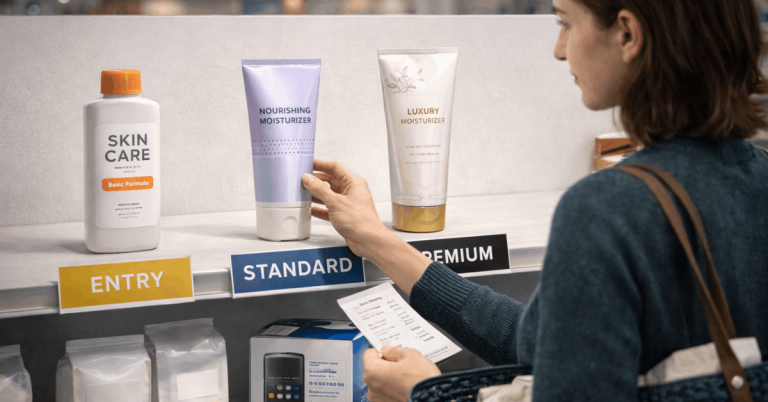
Generic or downgraded replacements are more common than outright fakes. The seller ships something that looks close enough to avoid an obvious complaint but costs them far less to produce.
Watch for these warning signs when comparing a delivered item against its listing:
- Missing brand logos or model numbers where the listing showed them
- Color or finish that looks “close but off” compared to listing photos
- Packaging that uses generic labels instead of branded boxes
- Accessories that feel cheaper or look different from the listing images
- Specifications (weight, dimensions, capacity) that fall short when measured
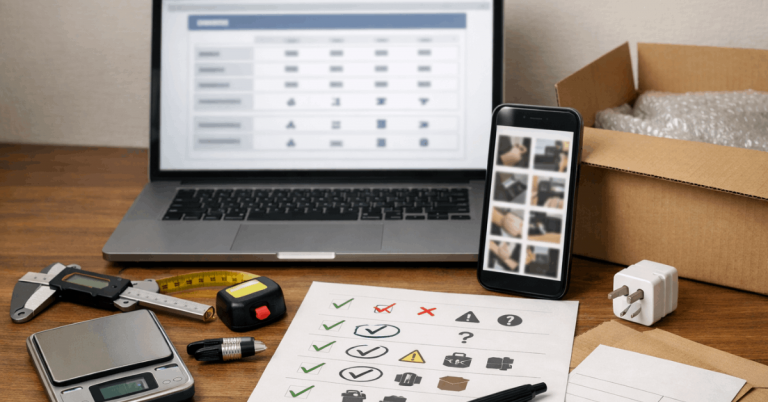
A kitchen scale, a ruler, and a phone camera can catch most of these discrepancies in under five minutes.
Specifications Worth Measuring
Don’t trust “feels about right.” Grab a measuring tape or digital caliper for dimensions. Weigh the product on a kitchen scale if the listing states a specific weight. Capacity claims (battery mAh, water bottle volume, storage size) can be checked with basic tools or free apps.
If the listing says 10,000 mAh and the battery drains in half the time a real 10,000 mAh battery should last, that’s a measurable, disputable fact.
Documenting Problems So Platforms Side with the Buyer
Evidence wins disputes. Feelings don’t. Every major marketplace runs disputes through a review team that looks at photos, videos, and order records. A clear file folder beats a long angry message every time.
Here is what to capture for every quality issue:
- Photos from multiple angles showing defects, damage, and labels
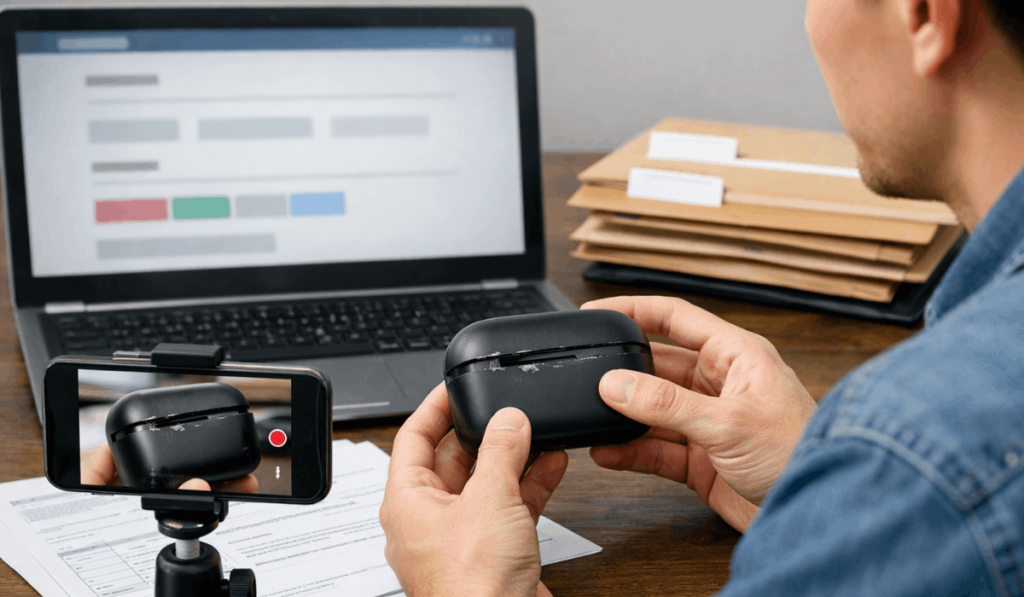
- A short video (under 60 seconds) showing the defect in action
- Screenshots of the original listing highlighting the mismatch
- The order confirmation and tracking details
- Any messages exchanged with the seller
Label files by date and issue type. “June_20_cracked_screen_front.jpg” is easier for a dispute reviewer to process than “IMG_4821.jpg.” Keep everything in one folder per order.
I would argue that video evidence carries more weight than photos on both AliExpress and Temu dispute systems, because it’s harder to fake and shows the problem in real time.
Why “Contact the Seller First” Can Cost You Money
Standard advice says to message the seller before opening a formal dispute. I disagree with that approach on international marketplaces, and the reason comes down to time.
Sellers on cross-border platforms frequently use a stalling tactic: they respond with scripted messages asking for more photos, offering tiny partial refunds, or promising to “check with the warehouse.”
Each exchange eats two or three days. On a 15-day buyer protection window, three rounds of back-and-forth can burn 9 to 12 days. That leaves almost no time to escalate.
A better approach: open the dispute immediately through the platform’s official system, and communicate with the seller inside that dispute thread.
The clock pauses or extends once a dispute is active on most platforms. Talking outside the dispute system gives you no protection and no timestamp.
The Consumer Financial Protection Bureau has guidance on chargeback rights for cross-border purchases that applies when platform disputes fail, which is worth reading if a seller ghosts you entirely.
| Action | Time Risk | Protection Level |
|---|---|---|
| Message seller outside dispute system | High: no deadline pause | Low: no platform oversight |
| Open formal dispute immediately | Low: clock pauses or extends | High: platform mediates |
| Wait and hope the problem resolves | Very high: window expires | None: claim forfeited |
Opening a dispute first protects your timeline without preventing seller communication.
Shipping Damage vs. Seller Fault: How to Tell the Difference
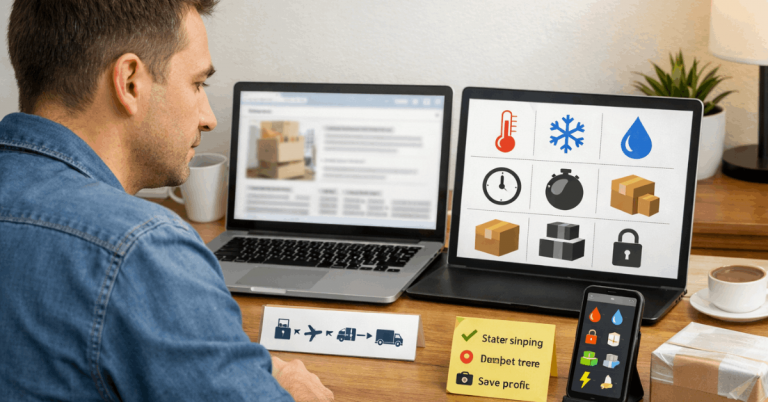
Not every broken item is the seller’s fault. Couriers crush, soak, and overheat packages regularly on international routes. The difference matters because it changes who pays.
A smashed outer box with a broken item inside points to carrier mishandling. An undamaged box with a defective product inside points to the seller or manufacturer. Both are valid dispute reasons, but the platform may route your claim differently depending on the cause.
Photos taken at the moment of delivery, before you open the box, are the strongest evidence for proving carrier damage. That’s why the “photograph first, open second” habit matters so much.
Questions People Ask About Testing Product Quality After Delivery
Q: How long do I have to test product quality after delivery on AliExpress?
AliExpress buyer protection typically lasts 15 days after confirmed delivery, but some orders have shorter windows. Check your order details page immediately after delivery to see your exact deadline, because it varies by seller and shipping method.
Q: Can sellers change their listing after I already ordered?
Absolutely. Sellers can edit photos, descriptions, and specifications at any time. Screenshot the full listing page at the time of purchase or immediately after. That screenshot becomes your primary evidence if the delivered product doesn’t match.
Q: Should I refuse a package that looks damaged on the outside?
Refusing can create complications with international shipments because return routing is complex and expensive. A better approach is to accept the package, photograph the exterior damage at the door, then open and document everything. That gives you a stronger dispute position than a refused delivery.
Q: Does opening a dispute hurt my buyer account on marketplaces?
Platforms say it doesn’t, and occasional disputes show no pattern of account penalties. Filing dozens of disputes in a short period may trigger a review, but a legitimate claim filed with clear evidence should not affect your standing as a buyer.
Q: What if the product works fine at first but fails a week later?
Test heavily during the buyer protection window rather than casually using the item. Run the product through its main functions multiple times in the first few days. If a defect appears before the window closes, file your dispute with documentation showing when the failure started.
Conclusion
Testing product quality after delivery protects both your money and your dispute rights on international platforms. A five-minute inspection at the doorstep catches problems that cost weeks to fix later.
Screenshots, videos, and labeled evidence folders turn complaints into winnable claims every single time. Start every delivery with a camera in hand, and treat that buyer protection deadline like it has teeth.