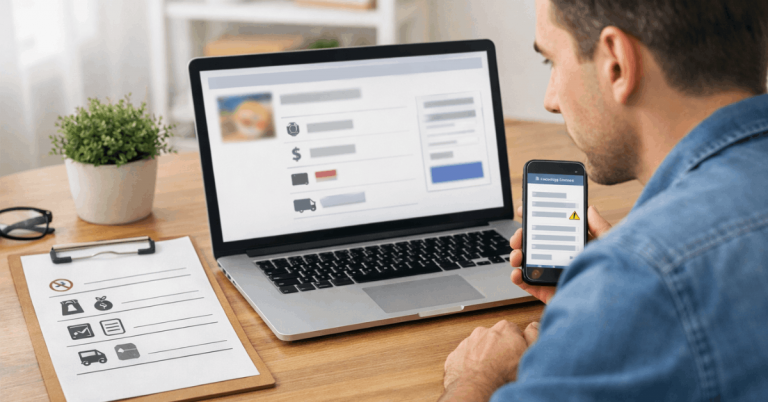
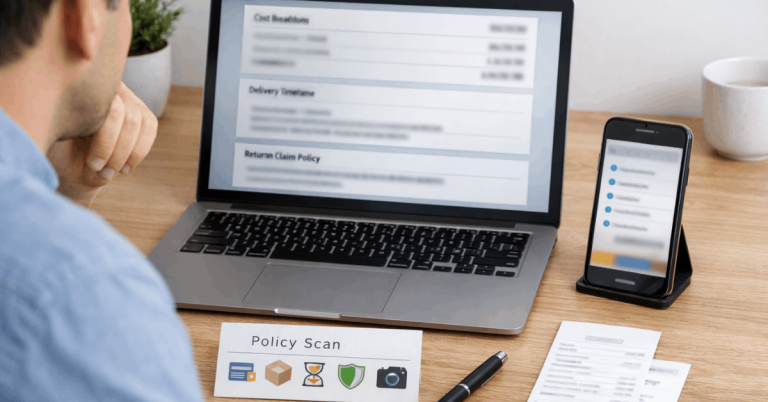
Paying for something online and hearing nothing back creates a specific kind of dread. The order page says “processing,” the seller’s inbox stays empty, and the clock keeps ticking.
A seller stops responding situation is rarely random. Something triggered the silence, and the cause determines whether your money comes back or vanishes into a logistics black hole.
Every international marketplace runs its own buyer protection countdown. Miss it, and the platform treats your order as settled. That timer matters more than any polite follow-up message.
This breakdown covers the real mechanics behind seller silence on platforms like AliExpress, Temu, and DHgate, and the specific moves that protect a refund when communication dies.
Why Sellers Go Silent After Payment
The silence itself tells a story, and reading it correctly saves weeks of wasted waiting. A seller who disappears right after payment behaves differently than one who ghosts mid-shipment, and the distinction changes your next step.

Time Zones and Language Gaps
A 12-hour time zone gap between a buyer in Europe and a seller in Shenzhen can look like deliberate silence.
Add a language barrier where messages pass through auto-translation, and responses slow to a crawl. This kind of delay usually resolves within 48 hours. Anything beyond that window signals a different problem.
Stock and Shipping Failures
Some sellers accept payment for items they no longer carry. The order sits in limbo while the seller scrambles to source the product from another supplier or quietly hopes the buyer forgets.
Inventory mismatches are one of the top reasons sellers avoid replying, because admitting the problem triggers a cancellation and a hit to their store metrics.
Deliberate Avoidance
Then there’s the calculated ghost. Certain sellers stop responding specifically to run down the buyer protection clock. Once that window closes, the platform auto-releases payment.
I think this pattern shows up more often on orders under $20 on platforms like AliExpress, where sellers bet that buyers won’t bother disputing a small amount. That bet works more often than it should.
Also read: Best Payment Methods for International Shopping
What Happens to an Order When a Seller Stops Responding
The outcome of your order depends on two things: shipping status and platform rules. Those two variables create a handful of predictable paths.
Orders That Never Ship
An order that sits unshipped past the platform’s shipping deadline gets auto-canceled on most marketplaces. AliExpress typically gives sellers between 7 and 15 days to ship, depending on the product category.
If that deadline passes without a tracking number, the order cancels and the refund processes automatically. No dispute needed.
Orders With Tracking but No Movement
This is the messier situation. The seller uploads a tracking number, which restarts the clock, but the package never moves. Fake tracking numbers or recycled codes from old shipments are a known tactic.
Check the tracking number on a third-party site like 17Track to verify it belongs to your actual order. A tracking code that shows delivered to a different country, or one that never updates past “label created,” is strong dispute evidence.
Orders Marked as Delivered
Platforms like AliExpress auto-confirm receipt after a set number of days past the delivery scan. Once that confirmation happens, the seller gets paid. If an order shows “delivered” but nothing arrived, the dispute window is already shrinking. Act immediately.
| Shipping Status | Likely Outcome | Action Needed |
|---|---|---|
| Not shipped past deadline | Auto-cancel and refund | None, but verify refund posts |
| Tracking uploaded, no movement | Order stays open, protection timer runs | Open dispute before protection expires |
| Delivered (but not received) | Payment released to seller after confirmation | Dispute within 15 days of delivery status |
| Delivered and received (wrong item) | Partial refund possible through dispute | Photo evidence of wrong or damaged item |
The clearest takeaway: shipping status dictates urgency, and unshipped orders are the easiest to resolve.
The Buyer Protection Timer Nobody Watches Closely Enough
Every article about seller disputes mentions buyer protection. Almost none of them explain how the timer works against buyers in practice.
How the Countdown Runs
On AliExpress, buyer protection starts on the estimated delivery date and runs for a set number of days after. That window is where disputes live. Once it closes, the platform releases funds to the seller and the order locks. No appeals, no exceptions.
The specific number of days depends on the shipping method. ePacket orders might give 60 days total; premium shipping methods can be shorter.
Why “Be Patient” Is Bad Advice
Conventional wisdom says to message the seller, wait a few days, message again, and give them a chance. I think that advice costs buyers their refund window on platforms like AliExpress more often than it saves a transaction.
A patient buyer who sends three polite messages over two weeks has burned 14 days of protection time. A seller running the clock only needs that patience to work once.
File the dispute early, and the platform investigates while you still have time. Nothing stops a seller from shipping the item after a dispute opens. But nothing brings back a protection window after it closes.
Step-by-Step Dispute Process When a Seller Goes Silent
Getting a refund after seller silence follows a specific sequence. Skipping steps or doing them out of order weakens the case.
The list below covers what works across AliExpress, Temu, and similar international platforms:
- Check the protection deadline first. Open the order details page, find the protection countdown, and note the exact date. Everything else is secondary to this number.
- Send one clear message through the platform. Ask for a shipping update or explanation. Keep it factual and short. This message becomes evidence later.
- Screenshot everything on the same day. Capture the order page, the message thread, the tracking page, and the protection deadline. Timestamps matter for disputes.
- Open the dispute as soon as the option appears. Do not wait for a seller reply after the first message. Most platforms allow disputes once the estimated delivery window passes.
- Upload a timeline with screenshots. A dispute submission with three screenshots and a two-sentence explanation wins faster than a long complaint with no visuals.
One mistake buyers make: writing emotional messages in the dispute description. Platform moderators review hundreds of cases per day. Short facts beat long stories every time.
How Seller Silence Affects Refund Outcomes
A refund after seller silence depends on platform rules, not seller cooperation. That distinction changes the strategy.
Automatic Refunds After Deadline Expiration
When a seller fails to respond to a dispute within the platform’s response window (usually 5 to 7 days on AliExpress), the marketplace often rules in the buyer’s favor automatically.
The seller’s silence during the dispute phase works against them, not against the buyer. This is one area where patience after filing pays off.
Partial Refunds and Return Hassles
Disputes for wrong items or quality issues sometimes end in partial refunds. The seller might offer 50% back without a return, which can be reasonable for low-cost items where return shipping to China costs more than the product.
Calculate the return shipping cost before rejecting a partial offer. On orders under $15, keeping the item and accepting a partial refund often makes more practical sense than shipping it back for a full one.
Payment Method Delays
Credit card refunds from international platforms can take 7 to 30 business days depending on the card issuer. PayPal refunds tend to process faster, usually within 5 to 10 days.
Platform wallet refunds (like AliExpress Wallet) land almost immediately. Keep this in mind when choosing payment methods for future international orders.
Red Flags That Predict Seller Silence
Spotting a problem seller before payment eliminates the entire dispute cycle. A few patterns repeat across every international marketplace.
Watch for these warning signs before placing an order:
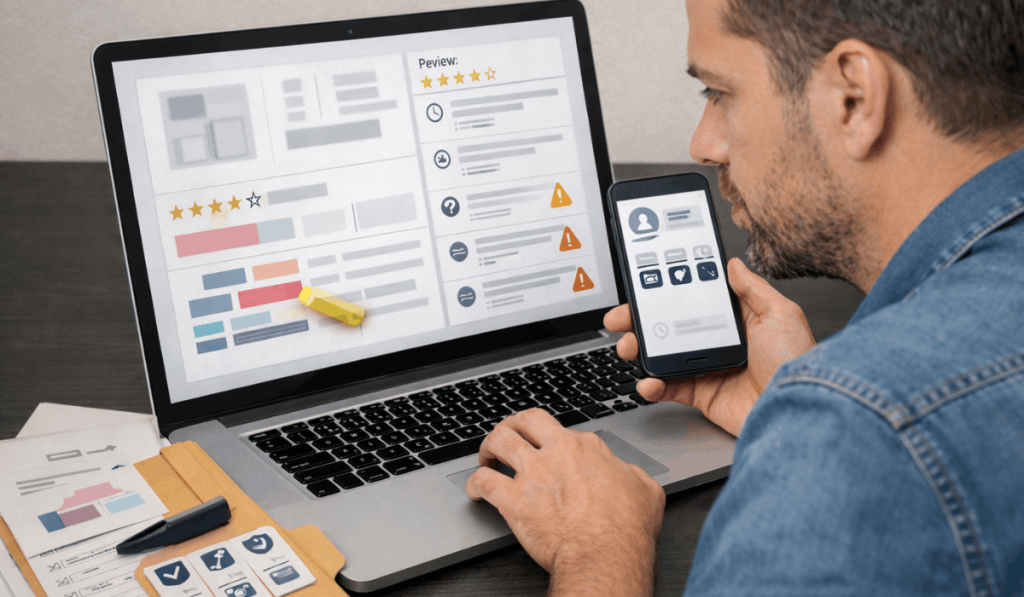
- Review complaints about communication. Multiple reviews mentioning “no reply” or “seller disappeared” are a direct warning. Look at 2-star and 3-star reviews specifically, since 1-star reviews often come from angry buyers who didn’t read the listing.
- Vague product listings. Listings without specific dimensions, materials, or shipping timelines suggest a seller who drops ships from a third party. These sellers have the least control over the order and the least motivation to respond.
- New store with high volume. A store open for 3 months selling 10,000 units is often a churn-and-burn operation. These accounts get flagged and shut down, leaving open orders in limbo.
- Copy-paste responses in Q&A. If every question on the listing gets the same generic reply, the seller uses automation and probably won’t handle problems individually.
When To Stop Waiting and Walk Away
Sometimes a dispute drags on longer than the item was ever worth. Knowing when to cut losses saves time and emotional energy.
If the buyer protection window has expired and the platform denied the dispute, two fallback options exist. First, check whether the payment method offers a chargeback.
Credit cards issued by Visa and Mastercard allow chargebacks for goods not received, usually within 120 days of the transaction.
Second, leave a detailed review on the seller’s page. That review protects future buyers and damages the seller’s conversion rate, which platforms weight heavily in search rankings.
For orders under $10, I think filing a chargeback through a credit card issuer is a worse use of time than accepting the loss. The chargeback process takes 30 to 90 days, requires documentation, and the outcome is still uncertain. Spend that energy tightening your seller screening instead.
Questions People Ask About Seller Stops Responding
Q: Can I get a refund if the seller stops responding but the item was shipped?
A shipped item with valid tracking still falls under buyer protection. If the item never arrives or arrives wrong, the dispute process works the same way. The tracking status matters more than whether the seller replies.
Q: How long should I wait before opening a dispute?
Open a dispute as soon as the platform allows it, which is usually after the estimated delivery window passes. Waiting longer only burns protection time. There is no reward for patience after the first message goes unanswered.
Q: Does opening a dispute hurt my buyer account?
One or two disputes per year have zero negative effect on most platforms. Filing 10 disputes in a month will trigger account flags. Space them out and provide strong evidence each time.
Q: What if the seller responds after I open a dispute?
The seller can propose a resolution through the dispute system. Accept or reject based on the offer. A late reply during an active dispute does not hurt your case or close the dispute automatically.
Q: Can I file a credit card chargeback after the platform denies my claim?
A credit card chargeback is a separate process from a platform dispute. Contact the card issuer directly within 120 days of the original charge. Provide the platform denial as part of the chargeback documentation, since it strengthens the case.
Conclusion
Seller silence on international marketplaces follows predictable patterns that buyers can counter with deadline awareness and early action. The buyer protection timer controls the outcome more than any message sent to the seller.
Dispute early, document everything on the order page, and let the platform rules work in your favor. A smarter next purchase starts with reading seller reviews for communication red flags before clicking “buy.”