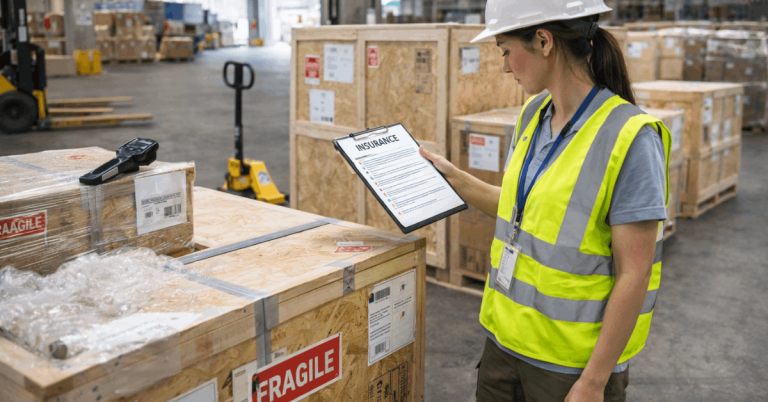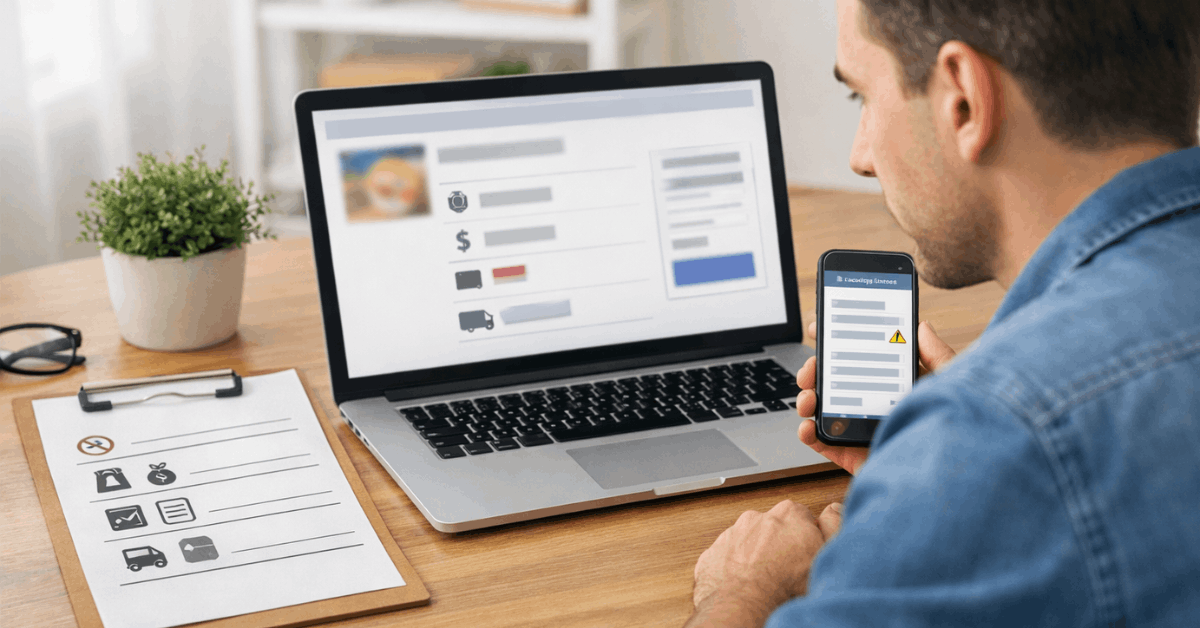
Customs problems can delay your order, add unexpected costs, or stop delivery entirely.
When you shop internationally, small details like item type, declared value, and shipping method matter.
This guide shows you how to avoid customs issues before you buy so your order arrives on time.
What Customs Actually Checks
Customs checks every international package to confirm it follows import rules and tax laws.
These checks decide whether your order is cleared, delayed, or stopped. You need to know what is reviewed so you can avoid problems before you buy.
- Declared item description — The product name, category, and stated use must be clear and accurate.
- Declared value — The price on the customs form must match what you paid.
- Country of origin — Where the product was made or shipped from.
- Restricted or prohibited status — Whether the item is allowed to enter your country.
- Duties and taxes owed — Import fees calculated from value and category.
- Shipping method and carrier — Courier and postal rules differ for clearance.
- Required documentation — Invoice, payment proof, and buyer identification.
Products Most Likely to Cause Problems
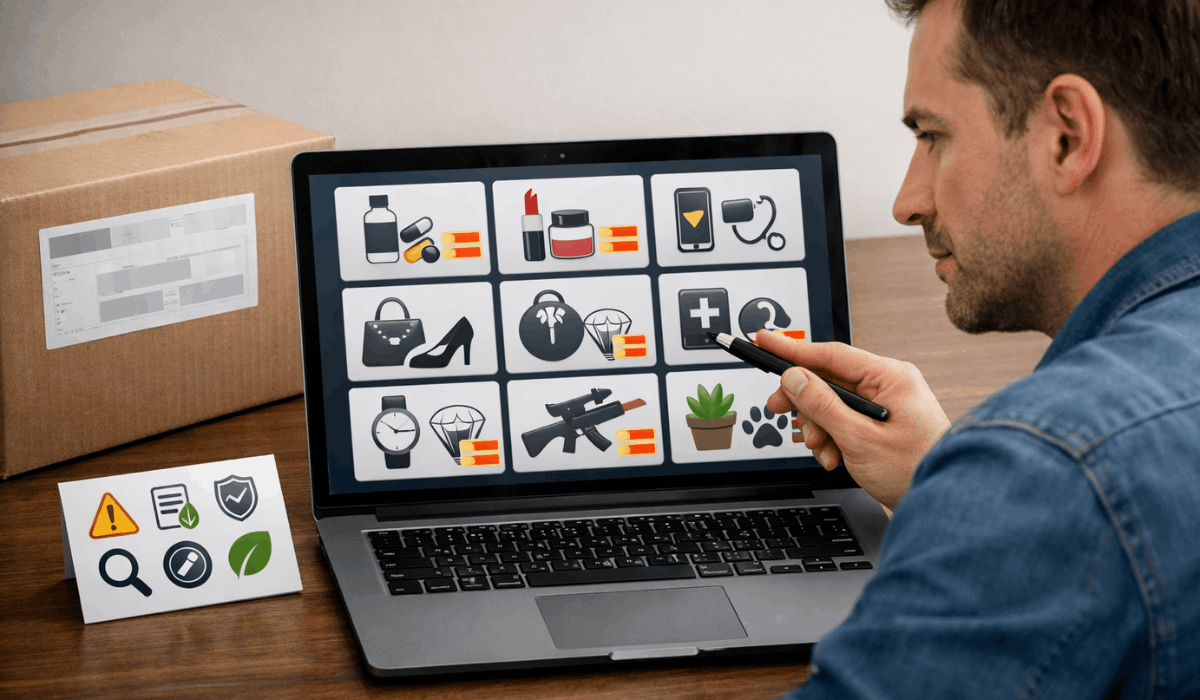
Some products face stricter checks because they affect safety, health, or intellectual property rules.
These items are more likely to be inspected, delayed, or rejected at customs. You should identify high-risk products before you place an international order.
- Food and supplements — Often require health approval or are restricted entirely.
- Cosmetics and skincare — Ingredients and labeling are closely reviewed.
- Electronics with batteries — Lithium batteries trigger transport and safety checks.
- Medications and medical devices — Prescription and certification rules apply.
- Branded fashion and accessories — Counterfeit inspections are common.
- Luxury or high-value items — Higher value increases scrutiny and taxes.
- Weapons and tactical items — Many are prohibited or heavily restricted.
- Plants, seeds, and animal products — Biosecurity rules are strict.
How to Read a Product Listing for Customs Risk
A product listing can reveal customs risk before you buy. Missing details or vague wording often lead to delays or inspections.
You should review listings carefully to avoid clearance problems.
- Item description clarity — The product name and use should be specific, not generic.
- Material and components listed — Customs checks what the item is made of.
- Declared category accuracy — The product must match its customs category.
- Value consistency — The listed price should match the expected declared value.
- Shipping notes from the seller — Look for customs or import warnings.
- Country of origin disclosure — Where the item is made or shipped from.
- Past buyer feedback — Reviews mentioning customs delays are warning signs.
The Importance of Accurate Declared Value
Declared value directly affects taxes, duties, and customs approval. Incorrect values are a common reason packages are delayed or flagged.
You should understand how value is checked before you buy.
- Matches what you actually paid — Customs compares the value with the payment records.
- Determines duties and taxes — Fees are calculated from the declared value.
- Triggers inspection thresholds — Higher or suspicious values get reviewed.
- Prevents under-declaration penalties — False values can cause fines or seizure.
- Affects insurance and claims — Incorrect value weakens damage or loss claims.
- Impacts clearance speed — Accurate values clear faster with fewer questions.
Shipping Methods and Customs Speed
The shipping method affects how quickly your package clears customs. Different carriers follow different clearance processes and documentation standards.
You should choose shipping based on clearance reliability, not just price.
- Postal services — Slower clearance and limited tracking in many countries.
- Express couriers — Faster customs processing with dedicated clearance teams.
- End-to-end tracking availability — Better tracking helps resolve holds faster.
- Pre-clearance support — Some couriers submit documents before arrival.
- Brokerage handling — Couriers often act as customs brokers.
- Delivery duty paid options — Taxes are handled upfront to reduce delays.
Seller Reliability and Customs Outcomes
Seller reliability directly affects how smoothly your package clears customs.
Experienced sellers prepare documents correctly and avoid risky declarations. You should evaluate the seller before you buy, not after a delay happens.
- Accurate product descriptions — Reliable sellers declare items clearly and correctly.
- Correct declared values — Trusted sellers avoid under- or over-declaration.
- Proper documentation — Invoices and shipping forms are complete and consistent.
- Experience with international shipping — Sellers familiar with exports make fewer errors.
- Clear communication — Reliable sellers respond quickly to customs requests.
- Buyer reviews mentioning clearance — Past customs issues are visible in feedback.
Documents You May Be Asked to Provide
Customs may request documents to verify your purchase and confirm legal import. These requests are common and usually time-sensitive.
You should have basic documents ready to avoid delays.
- Proof of payment — Receipt, bank statement, or card confirmation.
- Commercial invoice — Item description, value, and seller details.
- Order confirmation — Screenshot or PDF from the marketplace.
- Personal identification — Passport, national ID, or government number.
- Tax or importer ID — Required in some countries for clearance.
- Authorization letter — Allows the carrier to clear customs on your behalf.
What to Do If Your Package Is Held
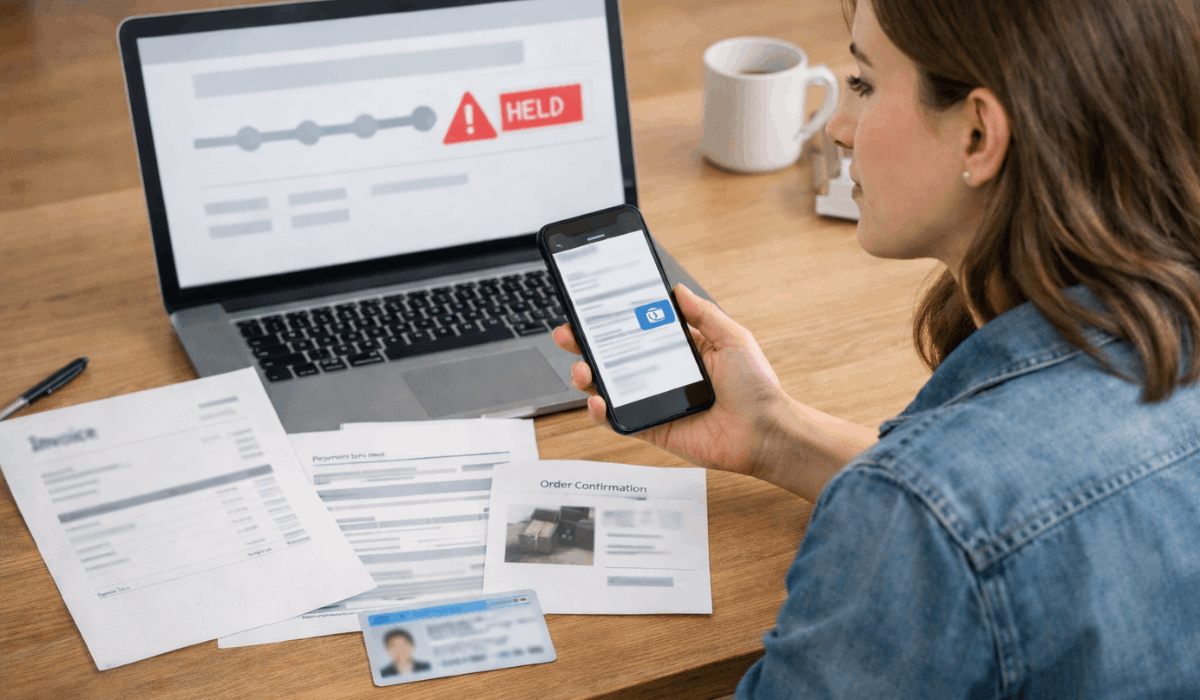
A customs hold does not mean your package is lost. Most holds happen because customs needs more information or payment.
You should act fast and follow clear steps to release your shipment.
- Check the tracking status carefully — Look for notes about documents, payment, or inspection.
- Read carrier or customs messages — Instructions are usually sent by email or SMS.
- Provide requested documents quickly — Invoice, payment proof, or ID are common.
- Pay duties or taxes promptly — Delays in payment extend the hold.
- Contact the carrier first — Couriers manage most customs communication.
- Follow up until released — Do not assume the issue resolves on its own.
Country-Specific Customs Rules to Watch
Customs rules change by country and affect what you can import and how much you pay.
A product that clears easily in one country may be delayed or rejected in another. You should always check local import rules before buying internationally.
- Duty-free value thresholds — Limits that determine when taxes apply.
- Restricted product categories — Items allowed only with permits or certifications.
- Prohibited items lists — Goods that cannot enter the country at all.
- Required buyer information — Tax ID, national ID, or personal number rules.
- Special rules for batteries and electronics — Safety and transport regulations vary.
- Health and safety regulations — Food, cosmetics, and supplements face extra checks.
- Import quantity limits — Caps on how many units you can receive per shipment.
Final Checklist Before You Buy
A final check before payment can prevent most customs problems. Small mistakes are easier to fix before you order than after a shipment is held.
Use this checklist every time you buy internationally.
- Item is allowed in your country — Not restricted or prohibited.
- Product description is clear and accurate — Matches the real item.
- Declared value reflects the real price — No under- or over-declaration.
- Seller has strong international shipping reviews — Especially customs-related feedback.
- Shipping method supports customs clearance — Tracking and broker support included.
- Duties and taxes are understood — Know what you may need to pay.
- Required documents are available — Invoice, payment proof, and ID ready.
The Bottomline
Customs problems are avoidable when you prepare before you buy.
Clear listings, accurate values, reliable sellers, and the right shipping method protect your delivery.
Use this checklist every time you shop internationally to ensure your order clears customs without delay.