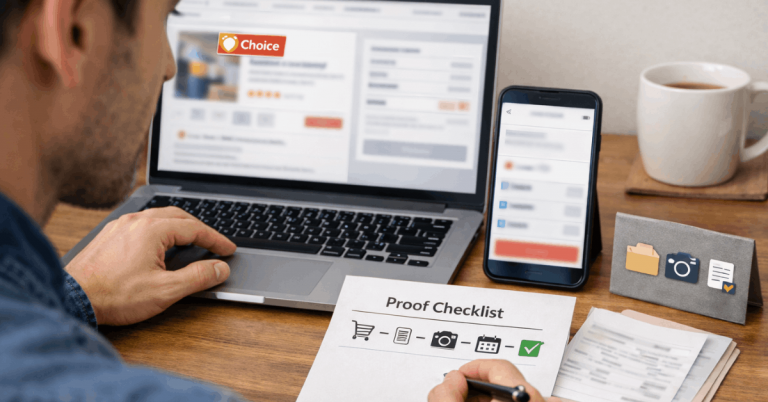
Shopping on marketplaces like AliExpress, Temu, and Wish can be convenient and affordable. However, you must understand Marketplace Seller Verification to avoid scams and unreliable sellers.
Trusted stores are not always easy to find, especially on platforms filled with third-party vendors. This guide shows you how to check sellers before you place your next order.
Understanding Seller Types and Platform Roles
Each marketplace has its own rules for sellers. Knowing how platforms vet them helps you avoid low-quality experiences.

How Sellers Work on AliExpress, Temu, and Wish?
AliExpress and Wish are fully open platforms where thousands of third-party sellers compete.
Temu operates under a stricter model where it curates and connects you with suppliers. On AliExpress and Wish, the platform is only a middleman, not responsible for the inventory.
Temu, on the other hand, manages logistics more tightly but still doesn’t own the products. This difference affects the delivery time, dispute resolution, and quality control.
Seller Vetting Methods Across Platforms
Temu advertises tighter control by onboarding only selected suppliers. AliExpress uses “Top Brand” and store badges to indicate performance over time.
Wish relies heavily on user feedback and algorithm-based warnings. None of the platforms guarantees quality, but their tools give you signs. Knowing how to read these labels is your first step to avoiding unreliable sellers.
Step-By-Step Checks to Spot a Trusted Seller
Before ordering, make sure you’re looking at a seller with a solid record. These simple checks help avoid fake products and delayed shipments.
- Seller rating should be 4.5 stars or above, with at least 1000 completed orders.
- Feedback should include real buyer photos and comments about packaging and shipping.
- Avoid sellers who just launched or those with poor review response times.
- Compare how the seller replies to negative reviews or refund requests.
- Pay attention to repeat buyers who confirm they’ve ordered more than once.
Doing these checks takes minutes and can prevent weeks of issues or refund claims.
Know the Key Badges That Actually Mean Something
Marketplace labels and icons are not all equal. Some offer real insight into seller performance, while others are just visual clutter.
AliExpress Badges: What You Should Trust
The “Top Brand” badge means the seller has a strong track record. Stores with this badge are usually more responsive and ship on time.
If you see a “Local Warehouse” label, expect faster delivery and easier returns. Some stores also offer “AliExpress Plus,” which ensures smoother refund and return policies. These badges increase your protection and reduce your risk.
Temu and Wish Seller Labels
Temu highlights “Featured” or “Preferred” sellers who meet high performance standards. Wish often uses “Verified by Wish” or “Quality Checked” icons, but these rely on volume rather than proven quality.
You should always confirm that reviews match the labels. Even verified sellers may have product issues if their listings are unclear. Use badges as indicators, not guarantees.
Check Product Listings for Accuracy and Transparency
Even verified sellers can post misleading listings. Review the details closely and compare them to user feedback.
Product Descriptions vs Buyer Photos
Look for consistency in product images, dimensions, and specs. If buyers post photos that differ from the product page, that’s a red flag.
Some sellers upload attractive stock images but deliver something different. You should match the description to the review images and real user experiences. Vague language is often a sign of unreliable sellers.
Ask Questions Before Buying
Most platforms allow direct messaging or Q&A tabs. Use them to ask about colors, sizing, or warranty terms.
Sellers who reply within 24 hours and answer clearly are more reliable. Be cautious of stores that give copy-paste answers or no replies at all. A seller’s attitude before purchase reflects how they’ll act after the sale.
Understand Platform Guarantees and Refund Policies
Each marketplace provides different levels of support. Learn what protections are available before placing your order.
AliExpress Buyer Protection
AliExpress gives you 15-day Buyer Protection after delivery. You can open a dispute if the product is late, broken, or not as described. You must upload photo or video proof during the dispute.
AliExpress often sides with buyers if the seller fails to respond. If the seller doesn’t fix the issue, the refund usually arrives within a week.
Temu and Wish Refund Systems
Temu offers a 90-day refund policy and handles most cases quickly. Many refunds are approved without needing to return the product.
Wish also allows refund claims for low-cost items within a limited time. Both platforms have app-based flows that make the process easier. Having screenshots and photos improves your chances.
Dig Deeper With External Research Tools
Quick platform checks are not always enough. There are free tools to help you investigate sellers further.
- Use AliTools or Fakespot to evaluate reviews and seller history.
- Install Chrome extensions that show price history and listing changes.
- Use reverse image search to catch stolen or reused stock images.
- Check Reddit or YouTube for haul videos or store-specific warnings.
- Look at comment threads where users name problematic sellers directly.
These methods add an extra layer of trust before you spend money.
Smart Habits for First-Time Buyers
First-time marketplace shoppers should stay cautious. Start small and build trust before placing larger orders.
Start With Low-Risk Orders
Choose an item under $10–15 for your first test. This helps you check how the seller ships, communicates, and describes the product.
If everything goes well, try a higher-value item later. Keep expectations reasonable and document everything. This trial approach prevents big losses.
Use Only In-App Payment and Messaging
Don’t trust sellers who ask to transact off-platform. Always use the official checkout system for buyer protection. Avoid giving your private contact info unless required.
All refund and delivery disputes must go through the app interface. Keep screenshots of every step for added proof.
Seller Review Deep Dive
Not all reviews carry the same weight. Learn how to filter useful feedback from noise.
Spot Real Reviews with Specific Feedback
Good reviews mention delivery times, packaging quality, and sizing accuracy. Real users often post product photos with complete thoughts.
Multiple languages or country flags suggest a global customer base. Prioritize these types of reviews when checking seller quality.
Identify Fake or Paid Reviews
Watch for short, repetitive 5-star reviews with no images. Sellers may pay for fake positive comments on new listings.

If a store has hundreds of 5-star reviews but no buyer content, be cautious. Trust patterns, not just numbers.
Use Filters and Sorting Tools
Always sort reviews by “most recent” to see the latest activity. Filter to your region to check shipping performance.
These tools help expose inconsistencies in the seller’s record. You’ll find sellers that perform differently across countries.
Bonus Seller Trust Tips
Fast habits help you identify reliable sellers quickly. These trust signals improve your buying decisions.
Look for Repeat Buyers in Comments
Check for users who mention “second time ordering” or similar phrases. Repeat customers suggest that the seller deliver consistently. This is especially useful when buying clothing or accessories.
Review Response Time and Tone
Message the seller before checkout to test response speed. If they answer politely and quickly, it shows professionalism. Sellers who ignore messages are likely to ignore disputes, too.
Check Store Longevity and Activity
Established stores with 2+ years on the platform are more reliable. Use the seller page to check the launch date and activity. Avoid sellers that just opened or post only a few items.
Your Takeaway: Mastering Seller Checks on Marketplaces
Marketplace Seller Verification is the key to a smoother shopping experience. Knowing how to read badges, compare reviews, and evaluate seller communication protects your money.
Most scams and poor deliveries can be avoided with basic research. Stick to these smart checks to shop with confidence across AliExpress, Temu, and Wish.