A buyer-protection promise matters only after a parcel arrives late, damaged, incomplete, or unlike its listing.
AliExpress, Temu, and Wish all offer order tools for returns or refunds, but the available route may change by item, destination, and deadline.
The key question is not whether a marketplace advertises help. It is whether the protection attached to your exact order still gives you time to act.
What Buyer Protection Can Actually Do?
Buyer protection gives shoppers a way to report a delivery or product problem through the marketplace instead of relying only on seller messages.
It may cover non-delivery, wrong items, or goods that differ materially from the listing, but it is never a blanket guarantee.
The Order Record Is Your Starting Point
Keep the listing, selected variation, payment confirmation, and latest tracking details from the moment you buy.
These records show what was promised, when the parcel was due, and whether the carrier ever received it.
A short timeline with clear dates and order evidence is easier to assess than a vague complaint.
Protection Does Not Remove Every Risk
A request may fail when it is late, unsupported, or outside the policy for that item. Personalized goods, worn items, hygiene-sensitive products, or damage after delivery can have different rules.
Read the order details before confirming receipt or accepting a partial refund, so missed deadlines and unrealistic expectations do not decide the case.
How AliExpress Handles Order Problems?
AliExpress relies on order-specific dispute tools, seller communication, and evidence from both sides. Its process suits buyers who can track protection dates and keep photos or screenshots organized.
Open A Dispute With Facts, Not Assumptions
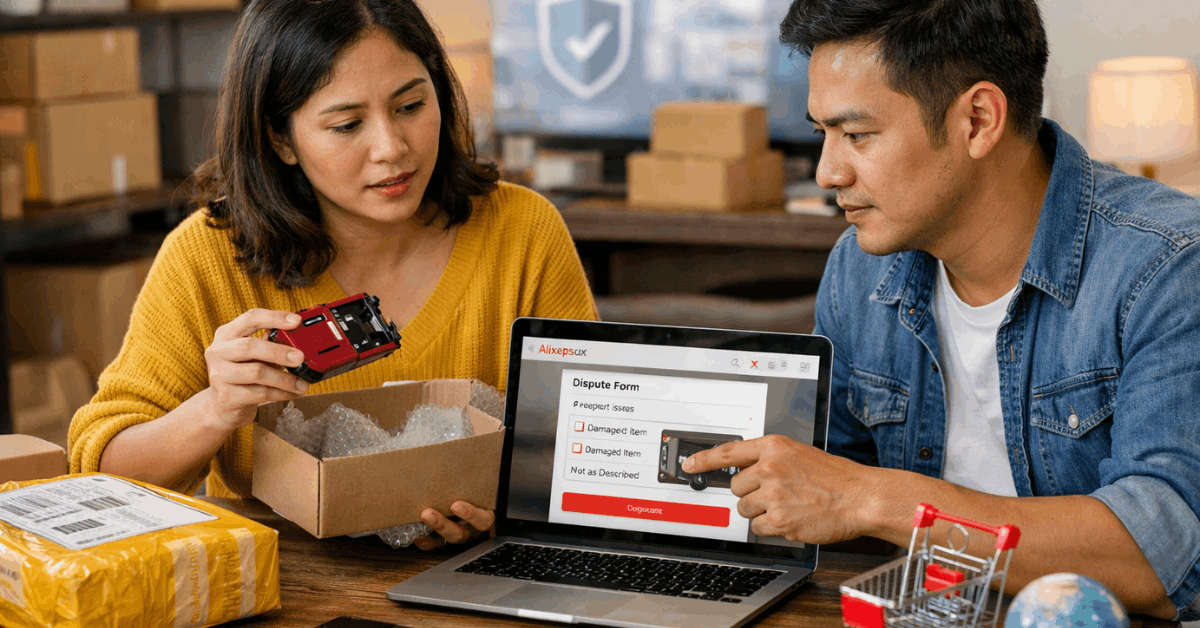
Start through the order page when a product fails to arrive, arrives damaged, or differs materially from its description.
State the issue plainly, attach relevant photos or tracking screenshots, and keep messages inside the platform.
A focused explanation creates a better evidence trail and a clearer resolution request for the reviewer.
Free Return Is Not Available On Every Listing
AliExpress’s Free Return terms apply to participating products, not every seller or variation. For eligible items, the official terms describe a 15-calendar-day request period after receipt is confirmed or automatically confirmed.
Check the chosen listing before purchase, especially for clothing or color-sensitive goods, because return shipping and refund timing can differ.
What Temu Buyers Should Check Before Requesting Help?
Temu presents returns and refunds through order history, but the exact route still depends on the item and local rules.
It may feel straightforward, yet buyers should confirm eligibility details and order deadlines before choosing a remedy.
The Return Window Has Listed Exceptions
In many markets, Temu says almost all eligible items can be returned or refunded within 90 days from purchase. Its return rules list exceptions, so buyers should not assume every opened or used product can be sent back.
The order screen remains the safest place to confirm return choices and item conditions for a particular purchase.
Also Read: How Delivery Time Affects Product Condition

Report The Problem While The Evidence Is Fresh
Photograph a damaged box, missing part, wrong size, or visible fault before discarding the packaging. Use the order record to explain what arrived and how it differs from the selected option.
Prompt reporting creates a stronger support record and avoids a last-minute case near the end of the available window.
Where Wish May Work Better For Smaller Risks?
Wish can be practical for low-cost items when a buyer accepts that product consistency and return handling may vary.
Its request period matters, so shoppers should treat it as a platform for modest purchases, not a place to ignore documentation.
The Refund Request Window Starts After Delivery
Wish says buyers can request a refund within 30 days of the delivery date through Wish Assistant. Save the delivery notice and inspect the item promptly, because a delivered parcel should not sit unopened until the final days of coverage.
Early inspection protects refund eligibility and gives buyers time to provide useful proof.
Returns May Not Follow One Standard Route
A low-value item may receive a returnless refund, while another order may need a return request and shipping instructions.
The method, label, and payment timing can depend on the item and decision shown in your account.
Follow the stated steps before sending anything back to protect the return record and avoid an untracked shipment.
Compare The Protection Around The Exact Product
No platform is automatically the safest choice for every order. Match the purchase risk to the protection path, especially for items that are expensive, fragile, difficult to fit, or needed by a fixed date.
Choose A Platform Based On What Could Go Wrong
AliExpress may suit buyers willing to manage evidence and seller-specific terms while comparing listings carefully.
Temu may appeal when an eligible order shows a straightforward return route and the buyer can inspect it soon after arrival.
Wish may be better for inexpensive items where a refund request is more realistic than international return shipping, depending on item value and return difficulty.
Save A Small File Before You Contact Support
Create one note with the order confirmation, listing screenshots, selected variation, delivery estimate, and newest tracking update.
Keep the issue description brief and use photos only when they show a real mismatch, fault, or package condition. Before asking for help, check these three details and policy dates:
- Deadline: Confirm that the request window remains open.
- Evidence: Save the relevant order and delivery records.
- Resolution: Select the reason that matches the problem.
Conclusion: Protection Works Best When Buyers Act Early
Marketplace protection can reduce the cost of a late, damaged, or misleading order, but it is not an automatic refund promise.
Check the order’s deadline, keep evidence, and use the platform’s request flow before accepting an informal seller solution.
Treat claims as order-specific because products, regions, and policy terms can change the remedy. A careful record gives you a better chance of resolving the issue on time without turning a small purchase into a longer dispute.