Buying from international marketplaces can be rewarding, but seller silence is a common issue that creates uncertainty after payment.
This article explains what happens if a seller stops responding and how international buying platforms handle delays, disputes, and refunds.
You will learn what actions to take, when to escalate, and how to protect yourself in future purchases.
Why Sellers Stop Responding
Seller silence often comes from operational issues or seller behavior on international marketplaces.
Some causes are temporary, while others signal reliability problems. Knowing the difference helps you decide whether to wait or escalate.
- Time Zone Gaps — The seller may be offline during your local business hours.
- Language Barriers — Messages may be delayed due to translation or misunderstanding.
- Inventory Issues — The item may be out of stock after payment is received.
- Shipping Problems — The seller may lack clear updates on logistics or tracking.
- Account Restrictions — Platform limits may prevent the seller from replying.
- Intentional Avoidance — Some sellers stop responding to delay refunds or disputes.
What Usually Happens to Your Order
When a seller stops responding, your order usually follows a few common paths based on shipping status and the marketplace’s rules.
The quickest way to understand your situation is to match what you see in your order page to the outcomes below.
- Not Shipped — The order remains pending until the shipping deadline expires.
- Auto-Cancel — The platform cancels the order if the seller fails to ship on time.
- Tracking Added — The order continues, and tracking becomes your main source of updates.
- In Transit Delay — Delivery slows down, often due to customs or courier backlogs.
- Marked Delivered — The platform may treat the order as complete unless you dispute it.
- Protection Deadline — You may need to escalate before the dispute window closes.
How Marketplaces Handle Unresponsive Sellers
When a seller stops responding, marketplaces rely on automated rules and buyer protection systems to limit your risk.
These systems are designed to reduce dependence on direct sellers and enforce deadlines. Here is how platforms usually handle unresponsive sellers.
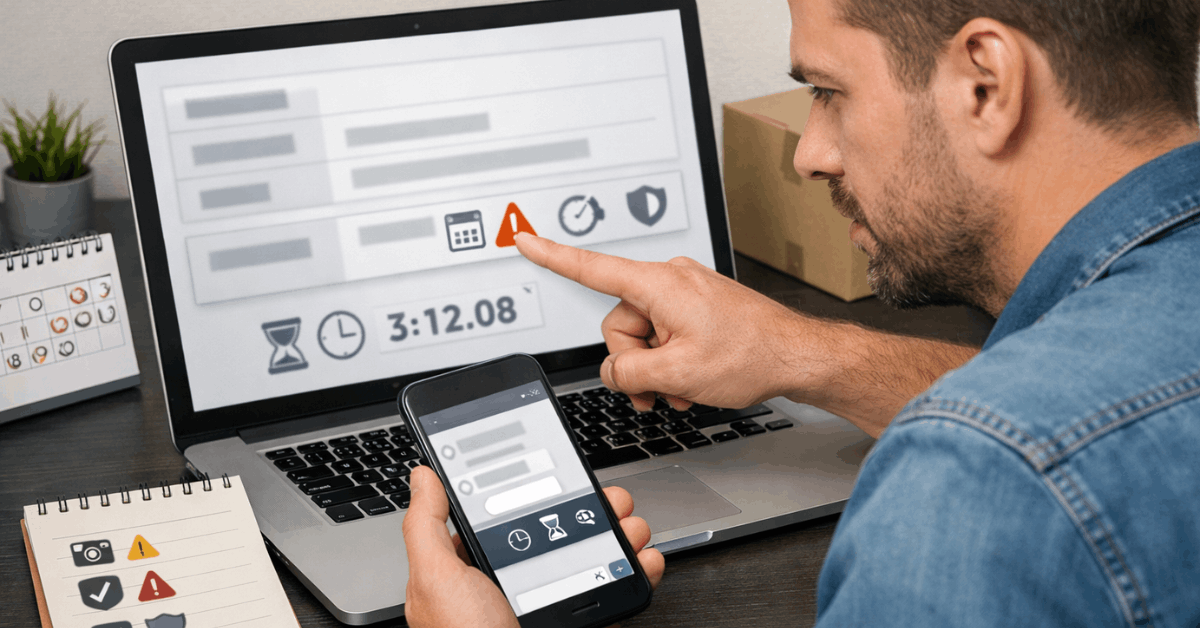
- Response Timers — The platform tracks seller reply deadlines and flags missed responses.
- Shipping Deadlines — Orders are canceled or restricted if sellers fail to ship on time.
- Dispute Access — Buyers can open disputes after set waiting periods.
- Platform Review — The marketplace reviews evidence when sellers remain silent.
- Automatic Refunds — Refunds may be issued if the seller’s non-response continues.
- Seller Penalties — Accounts may face limits, warnings, or suspension.

What You Should Do Step by Step
When a seller stops responding, follow a simple sequence to protect your time and your refund rights.
The steps below reflect what works on most international marketplaces.
- Check Deadlines — Confirm shipping cutoffs and buyer protection end dates.
- Follow Up Once — Send one clear in-platform message asking for an update.
- Save Evidence — Screenshot the order page, messages, and tracking history.
- Track Progress — Watch tracking scans and note long gaps or unusual updates.
- Open a Dispute — Escalate as soon as the option appears or time gets tight.
- Submit Proof — Upload a short timeline and the key screenshots.
- Stay On-Platform — Keep all messages and decisions inside the marketplace system.
How Seller Silence Affects Refunds and Returns
When a seller stops responding, refunds and returns depend more on platform rules than on seller cooperation.
Silence can slow the process or limit your options, especially if deadlines are missed. These are the main ways seller non-response affects refunds and returns.
- Refund Timing — Refunds often start only after disputes are opened or deadlines expire.
- Return Approval — Returns may be delayed or waived if the seller does not respond.
- Proof Requirements — Platforms may require stronger evidence when sellers stay silent.
- Partial Refunds — In some cases, refunds are partial based on item condition or delivery status.
- Deadline Pressure — Missing protection windows can void refund eligibility.
- Payment Method Delays — Card or wallet refunds may take longer to process.
How Seller Silence Affects Your Buyer Account
Seller issues can impact your account if disputes are handled poorly. Knowing this helps you protect future purchases.
- Dispute Frequency — Too many disputes in a short time can flag your account.
- Claim Quality — Weak evidence can reduce trust in future cases.
- Late Escalation — Waiting too long may count against you.
- Canceled Orders — Repeated cancellations can affect account standing.
- Platform History — Clear, documented cases improve long-term credibility.
How to Spot Sellers Likely to Go Silent
Seller silence is often predictable if you know what to look for before buying.
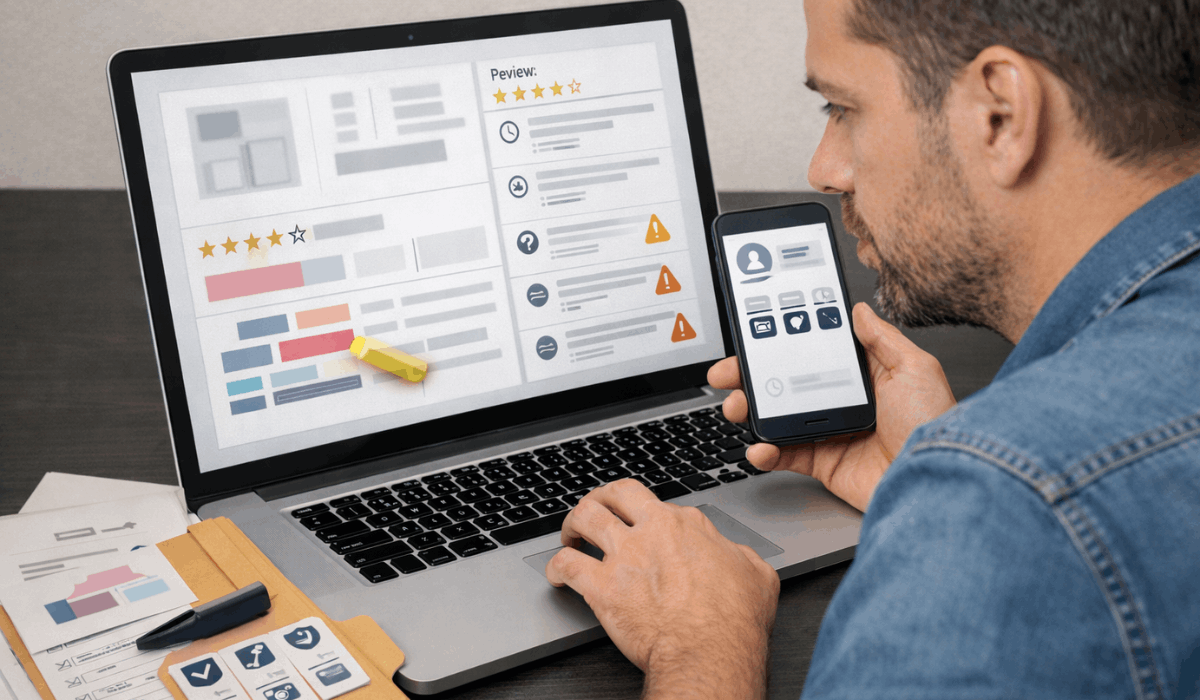
Certain patterns in listings, reviews, and seller behavior often signal unreliable international sellers. These signs help you avoid problems before payment.
- Review Patterns — Multiple buyers mention slow replies or no response after purchase.
- Vague Listings — Product pages lack clear specs, timelines, or return details.
- Inconsistent Information — Photos, titles, and descriptions do not match.
- Unclear Policies — Shipping, refunds, or warranties are poorly explained or missing.
- Recent Store Changes — The seller frequently edits listings or rebrands the store.
- Low Engagement — Seller answers a few questions or uses copy-paste replies.
How Long You Should Realistically Wait for a Response
Waiting blindly can cost refund rights, while acting too fast can cause issues. Timing matters more than patience.
- First 24–48 Hours — Normal response delay for international sellers.
- After Payment — Silence matters more once money is confirmed.
- Shipping Deadline — No reply past this point is a warning sign.
- Tracking Delay — Long gaps without scans increase risk.
- Before Protection Ends — Escalate well before the cutoff date.
When Silence Means You Should Walk Away
When seller silence crosses certain limits, continuing the transaction can cost more time and effort than it is worth.
Walking away at the right moment protects your money and reduces stress. These situations usually signal that escalation or abandonment is the safer choice.
- Deadlines Passed — Buyer protection or dispute windows are about to expire or have already expired.
- No Tracking Provided — The seller fails to add tracking within the promised shipping time.
- Repeated Non-Response — Multiple messages receive no reply over several days.
- Weak Evidence — You lack delivery proof or documentation to support a claim.
- Low-Value Orders — The refund effort outweighs the item’s actual cost.
- High-Risk Categories — Items with frequent disputes, such as electronics or branded goods.
What to Do If the Platform Denies Your Claim
Not all disputes succeed, especially with limited proof. Knowing the next steps reduces losses.
- Review the Decision — Check which evidence was missing or weak.
- Appeal Once — Some platforms allow a single appeal window.
- Payment Chargeback — Cards or wallets may offer backup protection.
- Loss Control — Stop engaging with the seller after denial.
- Future Prevention — Adjust seller and product filters for next purchases.
Final Takeaway
When a seller stops responding, the situation feels uncertain, but most international marketplaces have clear rules that protect buyers who act on time.
If you document early, track key deadlines, and escalate through the platform, you improve your chances of a fair outcome.
Use this guide on your next order and take action early whenever communication goes quiet.