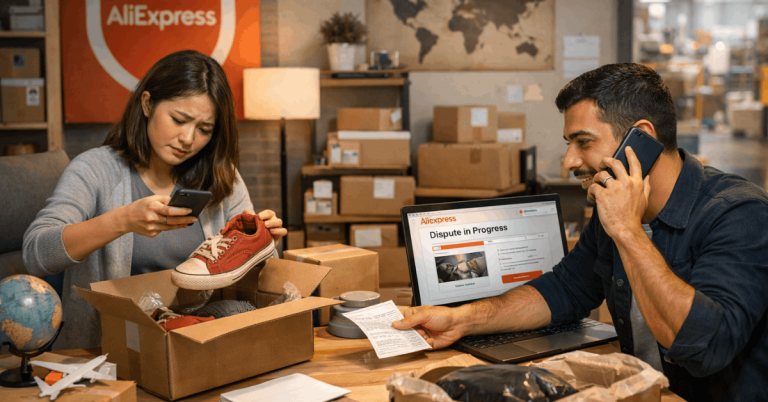
Amazon offers buyers different shopping experiences depending on where and how they order. Amazon Global vs Local Amazon is a key comparison for anyone purchasing across borders or locally.
Each option has pros and cons based on location, product type, and urgency. This guide helps you understand which option fits your shopping needs better.
Understanding the Core Differences
The main difference lies in where the products are stored and shipped from. Amazon Global deals with international items, while Local Amazon focuses on products within your country.

What Is Amazon Global?
Amazon Global allows buyers to order from international sellers or Amazon warehouses in other countries. Products are often shipped overseas using Amazon’s global logistics system.
Buyers can access items not available locally, but customs delays are common. It’s ideal for rare, region-specific, or imported products.
What Is Local Amazon?
Local Amazon lists products stored and shipped locally. Delivery is faster, and return policies are easier to follow.
You often get same-day or next-day delivery if you’re subscribed to Prime. It works best when you need fast service and simple support.
Shipping Speed, Costs, and Customs
These three factors heavily affect buyer satisfaction. Let’s break them down to make the comparison clear.
Delivery Time and Reliability
Local Amazon offers faster delivery, sometimes within hours, through Prime Now or same-day shipping. Amazon Global deliveries take five days to three weeks, depending on distance and customs delays.
Tracking may not always be as accurate for Global orders. Local orders are usually handled by familiar national couriers.
Shipping Fees and Service
Local Amazon often includes free shipping once you reach a minimum purchase or if you’re a Prime member. Global purchases may involve high shipping fees, and free shipping is rare.
Amazon sometimes offers combined shipping discounts when ordering multiple items globally. Still, costs can stack up fast with international purchases.
Customs Duties and Delays
With Amazon Global, taxes and import duties are calculated at checkout or upon delivery. Local Amazon doesn’t add customs fees because the items are already in your country.
Global shipments may be delayed by customs, especially for electronics or high-value goods. That delay is outside Amazon’s control and may vary by destination country.
Price and Availability Differences
Pricing isn’t always straightforward. The platform you use can affect both cost and product access.
Product Range and Market Limitations
Amazon Global gives you access to models, editions, or brands not available locally. This includes electronics, rare books, or region-locked items.
If you can’t find it on your country’s Amazon site, Global may have it. But wider access often comes at the expense of longer delivery.
Cost Comparison and Currency Conversion
Local Amazon prices are adjusted to your currency and local taxes. With Amazon Global, you may face conversion fees and international pricing that shifts based on exchange rates.
Some buyers notice slightly higher total costs once shipping and customs are added. Price doesn’t always reflect better value, especially if you factor in return shipping costs.
Returns, Refunds, and Support Quality
Customer service is not equal between the two. These differences matter if something goes wrong with your order.
Return Process Overview
Returning an item through Local Amazon is simple and convenient. Drop-off locations and faster refund processing make it more practical.
Amazon Global returns require more steps, shipping labels, and longer timelines. You might also pay for return shipping yourself.
Refund Timelines
Local Amazon refunds are processed within 2–5 business days once the item is received. Amazon Global refunds can take weeks, especially if customs is involved during return.
Some sellers won’t issue refunds until the item reaches the original country. This adds uncertainty for international buyers.
Customer Service Accessibility
Local Amazon support is available in your language and offers chat, phone, and email help. Amazon Global support may take longer to respond and is limited by time zones.
Language barriers can delay solving problems. It’s easier to escalate cases through Local Amazon if needed.
Platform Interface and Shopping Experience
The shopping interface looks similar—but functions slightly differently depending on your choice.
Currency, Language, and Checkout
Local Amazon shows local pricing, relevant product details, and warranty terms. Amazon Global may display prices in USD or the seller’s currency.
Listings may lack return terms or have limited translations. It’s important to read the fine print and seller details closely on Global listings.
Trust Signals and Review Relevance
Local Amazon products come with local reviews, which can be more useful for buyers in your region. Amazon Global reviews may be from users in other countries where standards or expectations differ.
This affects how you judge product quality. Photos and detailed reviews help fill the gap, but they’re not always available.
Comparing Seller Type and Reliability
Not all sellers operate under the same policies. This section helps you identify what to expect when dealing with different sellers.
Local Vs Global Seller Standards
Local Amazon sellers are often registered businesses and follow local return laws. Global sellers may follow their own return rules based on country regulations.
You must read the seller’s profile and policies before purchasing. “Fulfilled by Amazon” is generally safer, no matter the platform.
Product Authenticity
Products sold on Local Amazon have higher chances of being genuine due to internal quality filters. Amazon Global products, especially from third-party sellers, carry a higher risk of being replicas.
Packaging might differ or arrive damaged due to long transit. Read recent buyer reviews before buying expensive items globally.

Real Scenarios That Show the Differences
Examples make the contrast clearer. These are actual use cases based on common purchases.
Buying Electronics Internationally
A user bought a tablet through Amazon Global because it wasn’t available locally. It arrived in 12 days with a foreign charger and no regional warranty.
The same buyer ordered a phone case locally, and it arrived the next day with hassle-free packaging. The second option saved time and reduced risk.
Return Challenges
Another user bought a pair of branded shoes via Amazon Global. The size didn’t fit, and return shipping to the US cost nearly half the item price.
In contrast, a Local Amazon clothing return took one day to process using a drop-off station. For items with size uncertainty, local is the safer bet.
When to Choose Each Option?
This section shows you when each platform works best. Make your decision based on use case, not just price.
Amazon Global is best for:
- Getting international or region-specific products.
- Buying items not sold in your country.
- Niche collectors, import electronics, or exclusive editions.
Local Amazon is better for:
- Everyday products, clothing, groceries, or urgent gifts.
- Easy returns and reliable warranties.
- Customers who want quick delivery and strong support.
Extra Advice for First-Time Buyers
If you’re unsure where to buy from, start small. Use this final section to reduce risks and increase confidence.
- Always read seller ratings and filter by “Ships from Amazon.”
- Watch out for unusually low prices with poor shipping estimates.
- Review return policies for every item before checkout.
- Check if Prime benefits apply—most don’t work on Global listings.
Know Before You Click Buy
Both services have strong points, but they serve different purposes. Amazon Global vs Local Amazon comes down to product access, delivery time, and risk tolerance.
Use Amazon Global when you need something rare, and Local Amazon when you want simplicity. Knowing the differences will save you time, money, and stress.