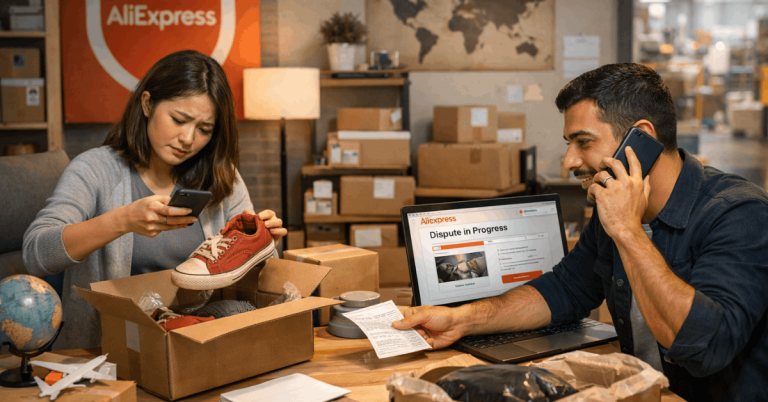
Shopping on international marketplaces often looks affordable until extra charges appear after checkout or delivery.
This guide explains the hidden fees on international marketplaces so you understand where surprise costs come from and when they typically appear.
You will learn how to spot these charges early and make buying decisions based on the real total price.
Why Hidden Fees Are Common on International Marketplaces
Hidden fees are common because international purchases involve multiple systems that do not always share full pricing details upfront.
When platforms, sellers, payment providers, and couriers operate separately, costs are often added at different stages of the transaction.
- Multiple intermediaries are involved: Platforms, sellers, payment processors, and logistics partners each apply their own charges.
- Cross-border tax rules: Import taxes and duties depend on the destination country’s laws and are calculated after purchase.
- Currency conversion markups: Exchange rates used by platforms or banks often include hidden margins.
- Unclear shipping methods: Some shipping options exclude customs handling or local delivery fees.
- Limited price transparency: Product pages often highlight item prices but minimize details on total landed cost.
Types of Hidden Fees Buyers Often Miss
Hidden fees are often overlooked because they appear outside the main product price and are revealed only after payment or delivery.
These charges are usually tied to payment processing, cross-border shipping, or customs handling rather than the item itself.
- Currency conversion markups: Platforms or banks apply exchange rates with added margins, increasing the final cost.
- Foreign transaction fees: Payment providers may charge extra for international purchases.
- Import duties and taxes: Customs authorities apply fees based on item value, category, and destination country.
- Customs brokerage fees: Couriers may charge for handling import clearance on your behalf.
- Delivery surcharges: Extra fees can apply for remote areas, oversized items, or special handling.
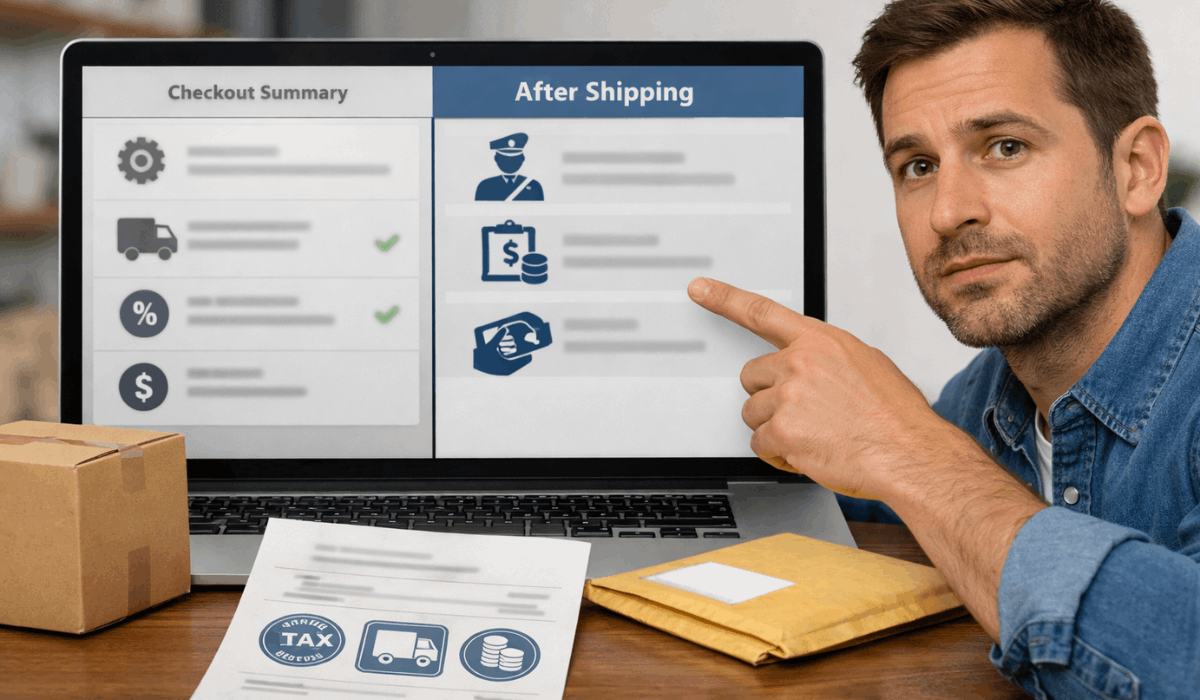
Platform Pricing vs Final Checkout Cost
The price shown on a product page is often incomplete and does not reflect the full amount you will pay.
Differences appear because additional charges are calculated only after your location, payment method, and shipping option are confirmed.
- Product page base price: This usually excludes taxes, duties, and service fees.
- Location-based taxes: Sales tax or VAT may be added at checkout depending on your country.
- Platform service fees: Some marketplaces apply handling or processing charges at the end of the checkout flow.
- Shipping method adjustments: Faster or tracked shipping options can increase the total cost.
- Estimated vs final total gaps: The final charged amount may differ from early price estimates.
Seller Practices That Increase Extra Charges
Some extra charges are caused by how sellers structure listings and shipping details rather than by the marketplace itself.
These practices often shift costs to you after payment or during delivery.
- Under-declared item values: Declaring lower values can trigger customs reassessment and added fees on arrival.
- Vague shipping descriptions: Unclear shipping methods may exclude customs handling or local delivery costs.
- Separated pricing tactics: Low item prices paired with high shipping fees increase the real total cost.
- Unverified logistics partners: Using unreliable couriers can result in additional handling or correction charges.
- Misleading warehouse locations: Claiming local stock while shipping internationally can lead to unexpected import fees.
Delivery-Related Fees That Appear After Shipping
Some fees only appear once the item is already in transit or has arrived in your country.
These charges are usually handled by customs authorities or local couriers and are not included in the original checkout price.
- Customs payment requests: Import duties and taxes may be collected before the package is released for delivery.
- Courier brokerage charges: Delivery companies can bill you for processing customs clearance on your behalf.
- Cash-on-delivery handling fees: Some couriers charge extra when they collect the fee at the door.
- Storage or delay fees: Packages held at customs or depots for too long may incur holding charges.
- Redelivery or address correction fees: Failed delivery attempts can result in additional local charges.
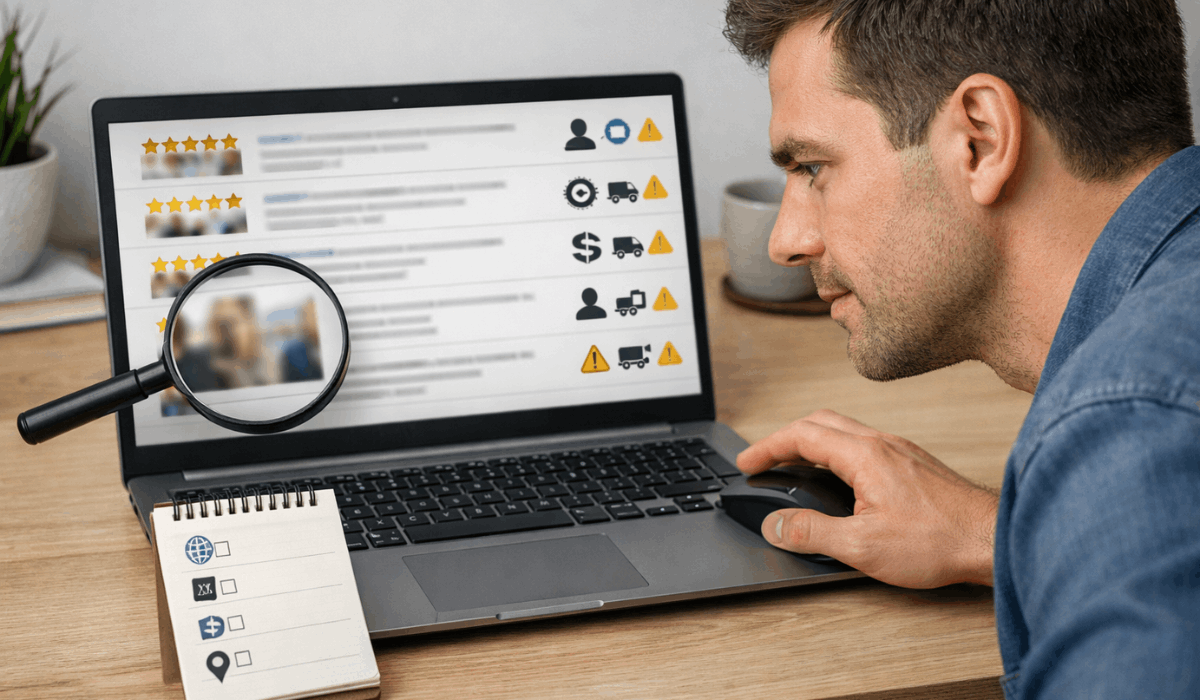
How Reviews Reveal Hidden Fee Patterns
Buyer reviews often expose extra charges that are not clearly shown in listings or checkout pages.
When the same fee issues appear repeatedly, they usually point to predictable cost problems.
- Repeated mentions of extra charges: Multiple buyers reporting unexpected fees signal a recurring issue.
- Complaints about customs or courier payments: Reviews often describe fees requested at the time of delivery.
- Timing of fee discovery: Buyers note whether charges appeared after shipping or on arrival.
- Patterns tied to specific sellers: Similar complaints across listings suggest seller-related practices.
- Differences by destination country: Reviews reveal which regions face higher added costs.
Marketplace Policies That Affect Fees
Marketplace rules determine when and how extra charges are applied during international purchases.
These policies often define which costs are included upfront and which are passed to you later.
- Duties paid vs unpaid shipping options: Some platforms offer prepaid taxes, while others leave payment to delivery.
- Tax calculation methods: Platforms may estimate taxes differently based on location and item category.
- Service and handling fees: Marketplaces can add processing fees outside the product price.
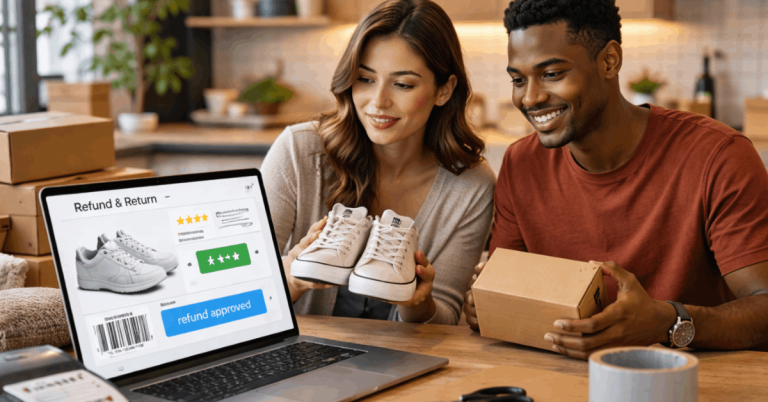
- Buyer protection limitations: Extra charges, such as customs fees, are often excluded from refunds.
- Dispute and refund rules: Policies may limit claims for taxes, duties, or courier fees.
How to Spot Hidden Fees Before You Buy
Hidden fees can often be identified before checkout if you know where to look.
Careful review of listing details, seller information, and platform tools helps you avoid surprise costs.
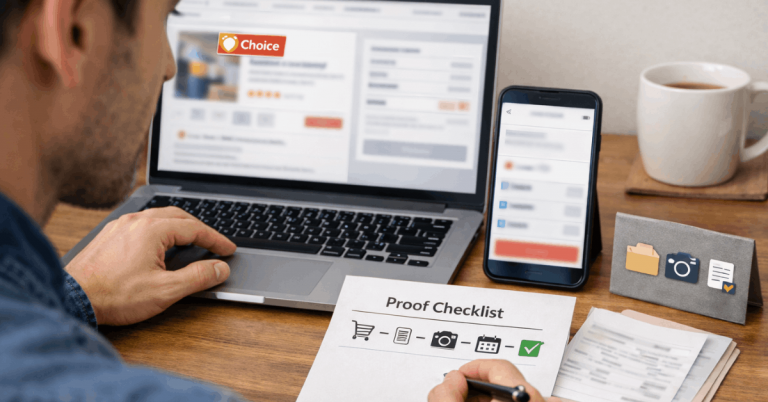
- Check estimated tax and duty tools: Use platform calculators to preview possible import charges.
- Review shipping method details: Confirm whether customs handling and local delivery are included.
- Examine seller location and warehouse origin: Shipping from abroad increases the chance of added fees.
- Read recent buyer reviews: Look for repeated mentions of extra payments or delivery charges.
- Compare total landed cost: Focus on the final price, not just the item listing price.
Practical Tips to Reduce Extra Costs
Extra charges are not always avoidable, but you can reduce their impact with careful choices before and after checkout.
These steps help you control the total amount you pay on international marketplaces.
- Choose prepaid duty options: Select shipping methods that include taxes and customs fees upfront.
- Use low-fee payment methods: Avoid cards or services that charge foreign transaction fees.
- Avoid unrealistically low prices: Extremely cheap listings often lead to higher fees later.
- Know local import thresholds: Small purchases may be exempt from duties in some countries.
- Track your shipment early: Prompt responses to customs requests help prevent delays and associated fees.
Final Section — What to Expect When Shopping Internationally
Hidden fees on international marketplaces are predictable when you understand how pricing, shipping, and platform policies work together.
By carefully reviewing listings, checking seller behavior, and reading buyer feedback, you protect yourself from unexpected charges.
Use this guide before your next purchase to shop with clearer expectations and avoid paying more than you planned.