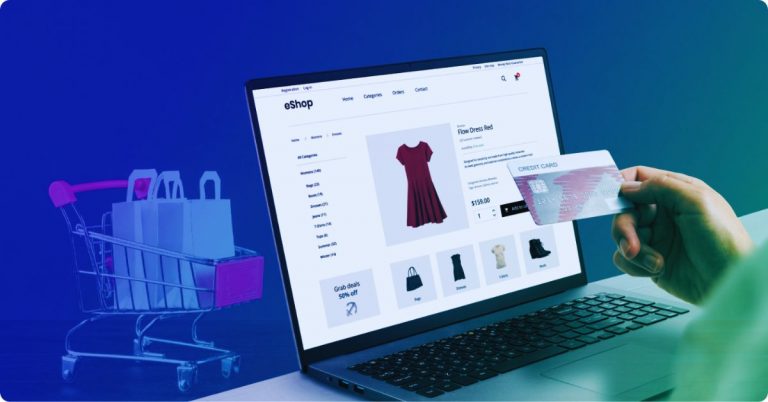
A domestic sale and an overseas sale may leave the same warehouse, yet the shipment can create very different costs and responsibilities.
A border changes customer expectations, delivery control, tax exposure, return options, and the support needed after dispatch. This guide helps sellers decide which products fit local or cross-border fulfillment.
It focuses on the practical issues that shape margins and buyer experience long after checkout across both everyday items and expensive, difficult-to-replace products, while keeping fragile or regulated products under closer operational review before they are safely listed abroad.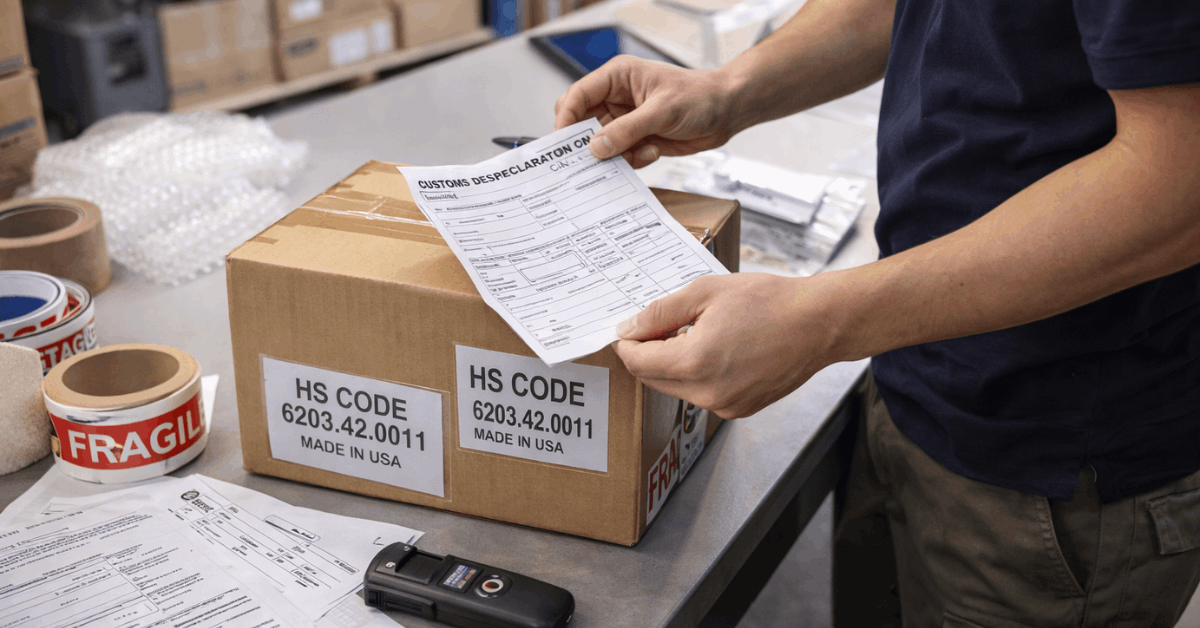
International Orders vs Local Orders
The Operational Difference Starts at the Border
Local orders usually remain inside one country’s operating environment. International orders pass through several systems, making carrier control and accurate information much more important.
Local Orders Stay Within One Working System
Domestic orders operate under one tax framework, one set of consumer rules, and often one carrier network. Sellers can normally use a consistent label format, return address, and customer-service process.
Tracking events are easier to interpret because the parcel stays within a familiar route. When something goes wrong, the seller has clearer ownership of the next step.
International Orders Add More Handoffs
Cross-border parcels may move through an export carrier, air or sea transport, customs, and a destination delivery company.
Every handoff can expose a wrong contact number, unclear product description, or damaged label.
Buyers may also face different import rules, currencies, product-safety requirements, local delivery practices, and restrictions that vary by destination. For that reason, overseas fulfillment relies on clean data as much as transport speed.
Also Read: How to Match Price Expectations to Quality

Protect Margin by Pricing the Entire Route
The carrier quote is only part of the cost of moving an order. Sellers should review total expenses and buyer charges before they publish shipping prices for a new market.
Domestic Rates Are Easier to Forecast
Domestic shipping is commonly priced by weight, dimensions, destination zone, and service level.
Fuel fees and seasonal surcharges can still affect bulky items, remote addresses, high-volume periods, and forecasts based on inaccurate parcel dimensions.
Returns remain inside the same market, making reverse logistics more predictable. That gives sellers more room to protect margin without making risky speed promises.
International Pricing Needs a Landed-Cost View
International orders can add brokerage, currency conversion, tariffs, and destination taxes to regular transport charges.
The fee shown at checkout may not reflect what the buyer or seller ultimately pays. Review the full landed cost before creating a free-shipping threshold or promotion.
An official DHL rate check is a natural way to compare express service with slower postal options for urgent products and specific delivery windows.
Documents and Duties Cannot Be Added Later
International documents explain what the goods are, where they came from, and how they should be treated at the border.
A commercial invoice should match the order record, parcel contents, value, HS classification, and country-of-origin details.
Conflicting declarations can prompt manual checks and create expensive delays. Consult the official Incoterms® rules before deciding whether duties are paid at checkout or collected on delivery.
Delivery and Tracking Shape the Customer Experience
Customers judge shipping by what they see after payment, not only by the fee. Realistic delivery ranges and useful tracking context prevent many avoidable support requests.
Local Delivery Can Support Tighter Time Windows
Domestic ground shipments may arrive within a few business days, while premium services can be faster in selected areas.
These estimates are easier to manage when warehouse cutoffs, carrier performance, and daily order volumes are familiar.
Sellers should still account for public holidays, weather, and missed delivery attempts. A modest buffer protects buyer trust without weakening conversion.
Overseas Orders Need Wider, Clearer Estimates
Express shipping can move quickly, but a missing document or customs question may extend the trip without warning.
Economy services may take weeks because parcels are consolidated, wait for available space, and are handled at lower priority.
Explain the chosen method and allow for inspection delays in the date range. A clear estimate creates less refund pressure than a narrow promise that cannot absorb a border hold.
Tracking Needs an Explanation, Not More Alerts
Domestic shipments often use one carrier, so scans follow a familiar route from collection to delivery. International parcels may change identifiers or show a quiet period between export and destination networks.
Tell buyers when these tracking gaps are normal and where to check the latest status without searching several carrier pages.
Useful updates when an order enters customs or reaches the local carrier are better than repeating every scan.
Match Each Product and Market to the Right Path
Shipping policy should follow the product and destination rather than one standard rule. The suitable service depends on item value, replacement difficulty, and the buyer’s real deadline.
Product Value and Fragility Affect the Service Level
A low-cost accessory can usually tolerate economy delivery and limited tracking. A fragile item, limited product, or urgent replacement may justify stronger packaging, a faster network, and better proof of delivery where signatures are available.
Compare the added fee with the cost of a lost order, claim, or unhappy repeat buyer. That prevents a small saving from turning into a larger after-sale cost.
Market Rules Should Be Checked Before Listing
A product that ships safely at home may need different packaging, documents, or carrier coverage abroad.
Before activating a country, review import restrictions, return options, taxes, return-label availability, and any restricted-material rules. Use this short check to set realistic policies and avoid last-minute cancellations:
- Verify that the SKU can enter the destination market.
- Confirm whether tracking continues after export.
- State who pays duties, taxes, and return shipping.
Conclusion
Local orders are easier to manage because networks, documents, and returns remain familiar. International sales can widen demand, but they need accurate cost planning, complete declarations, and delivery windows that allow for border delays. T
est the price, paperwork, tracking route, and customer promise before opening each new destination. This approach supports cross-border growth without treating every market like a domestic shipment.