A price tag does more than set a checkout total. It tells buyers what level of quality, service, and reliability to expect before the product arrives. When the experience falls short, even a working item can feel like poor value.
This article explains how businesses can connect price, evidence, and communication so an offer feels fair rather than inflated or suspiciously cheap at every stage, from product browsing through delivery, returns, and later support.
Buyers Judge Price Before They Test the Product
People use price as a shortcut when they cannot inspect every detail. That first impression becomes a promise about materials, performance, and after sale help.
A High Price Needs Visible Reasons
Premium pricing works when customers can see what makes an item different. Better components, stronger construction, longer warranties, specialist support, or proven performance can support a higher number.
Trouble begins when the price signals craftsmanship but the product arrives with vague instructions or weak finishing. Buyers need proof that the extra cost improves their experience.
Also Read: Product Quality vs Brand Reputation
A Low Price Can Raise Doubts Too
Affordable pricing attracts attention, but it can make shoppers question durability, safety, support, or hidden charges. A lower price feels credible when the brand is clear about what is included and excluded.
A simple item can be inexpensive without looking careless when its materials, sizing, and delivery terms are stated plainly. That clarity reduces doubt before payment.
Make Each Price Tier Easy to Understand
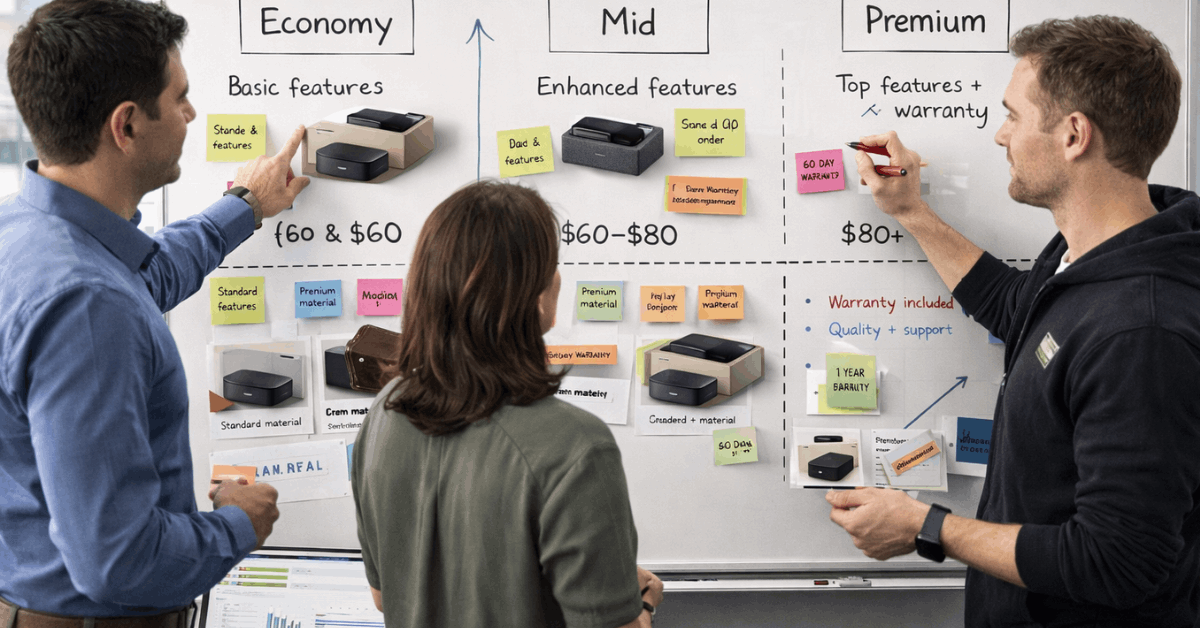
A useful price structure gives customers a reason to choose one option over another. The difference between tiers should appear in features, service, and real use, not merely in the product name.
Build Tiers Around Everyday Outcomes
Start with what customers need the product to do daily. A basic version may solve the core problem, while a higher tier adds durability, convenience, faster support, or tools for frequent users.
This avoids charging more for cosmetic changes that do not improve the experience. When each step delivers a practical benefit, shoppers can decide without pressure to choose the most expensive option.
Show What Is Included Before Checkout
Unclear bundles create disappointment even when the price is reasonable. State whether accessories, installation, updates, delivery, setup help, or replacement coverage are included.
Use price transparency and plain language instead of forcing customers to search several tabs for exclusions.
This is vital for subscriptions, electronics, and services where a low starting price may hide later costs.
Keep the Comparison Short and Useful
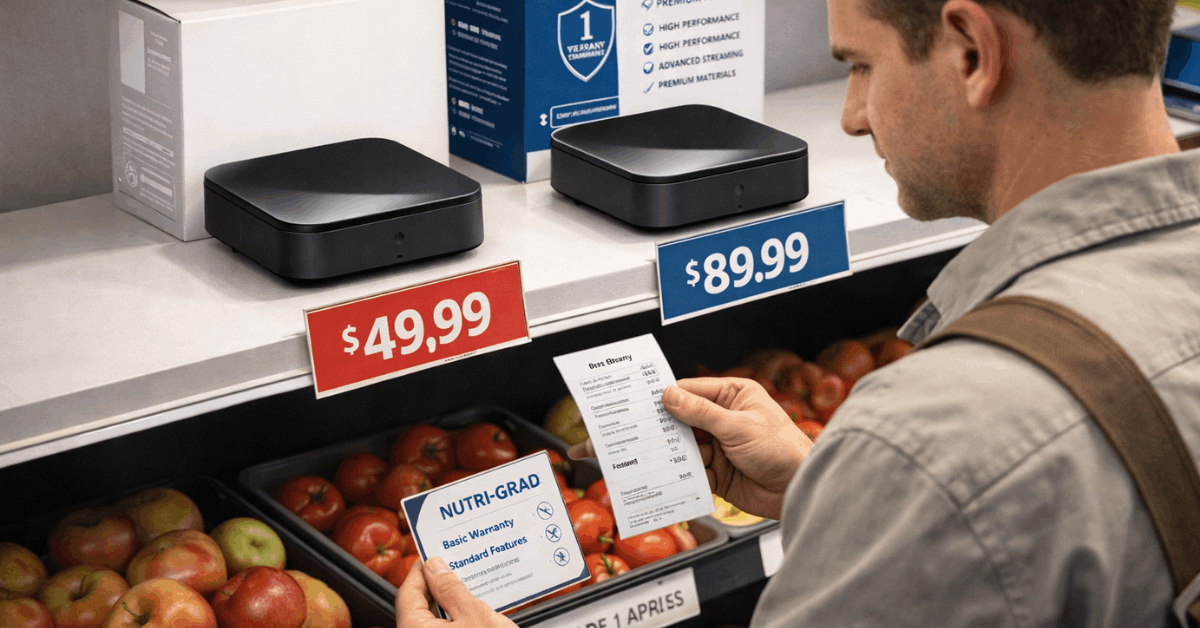
A quick comparison reduces confusion when offers have meaningful differences. Keep it focused on details buyers will use, not labels. These points deserve a clear spot near the price:
- Materials or performance level.
- Warranty terms and support coverage.
- Delivery costs or recurring fees.
Let Product Evidence Carry the Price Story
Claims rarely make a higher price feel justified alone. Buyers look for specific proof that connects what they pay to the result they receive.
Use Details That Can Be Checked
Describe materials, dimensions, capacity, compatibility, or testing methods in language customers understand.
A bag need not be called “premium” when its page states fabric weight, reinforced stitching, and repair policy.
Concrete details reduce guesswork and help shoppers compare similar products honestly. They also give support teams a reference when an item does not match the listing.
Service Quality Is Part of the Value
For services and software, the product is not the only purchase. Response times, onboarding, cancellation rules, maintenance, and problem resolution may matter as much as the main feature.
A higher fee is easier to accept when the provider explains service scope and delivers it consistently. A vague promise of “priority support” fails if replies still take several days.
Promotions Should Not Undermine the Original Price
Discounts can bring new buyers, but constant markdowns train people to wait. A promotion works best when its reason and time limit are believable.
Give Price Reductions a Clear Context
Seasonal stock, a previous model, a bundle launch, or a limited event can explain a lower price. Without context, a deep discount can make the original price look invented.
State what changed and whether warranty, returns, or service remain the same. That protects price confidence while giving buyers a real reason to act.
Avoid Fees That Appear Too Late
A competitive product price loses meaning when delivery, taxes, handling, or account charges appear near payment.
These surprises make buyers feel trapped, even when the final total resembles competitors. Show the full cost early and explain unavoidable charges clearly.
Clear totals create fewer cancellations, angry reviews, and repeat questions to support staff.
Watch What Happens After the Sale
The best test of price quality alignment happens after a customer uses it. Returns, reviews, repeat orders, and support messages show whether expectations were met.
Read Complaints for the Real Mismatch
A return reason such as “not worth the price” is not enough by itself. Look for the detail behind it: perhaps the product was smaller, less durable, harder to use, late, or missing a promised feature.
Grouping feedback by specific issue shows whether the problem is pricing, design, or communication. Repeated complaints can reveal a gap that sales numbers miss.
Test Changes Carefully Instead of Guessing
A small price adjustment, clearer listing, stronger warranty, or better packaging can change perception.
Test one change at a time and compare conversion, returns, support volume, and repeat purchases over time.
Do not treat a brief sales increase as proof if complaints rise afterward. The goal is lasting value, not a short spike from a confusing offer.
Conclusion
Matching price expectations to quality means showing customers what their money provides before and after purchase.
Use clear evidence, honest tier differences, and visible total costs so the price feels grounded in value.
Review complaints and return patterns because they reveal where a product promise has become unclear or weak.
When the offer, service, and communication support each other, customers are more likely to buy with confidence and come back.