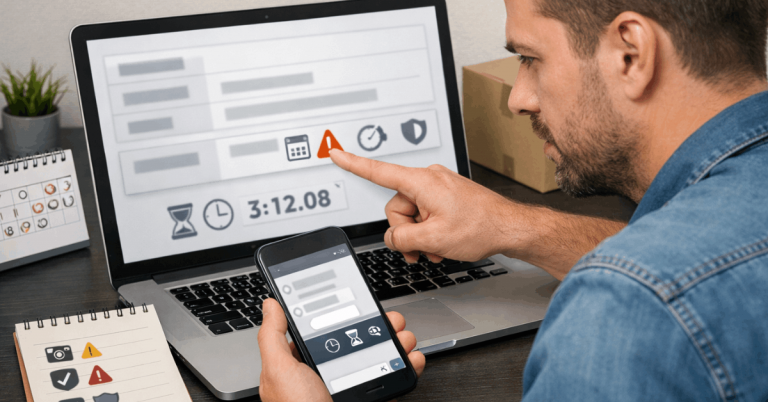
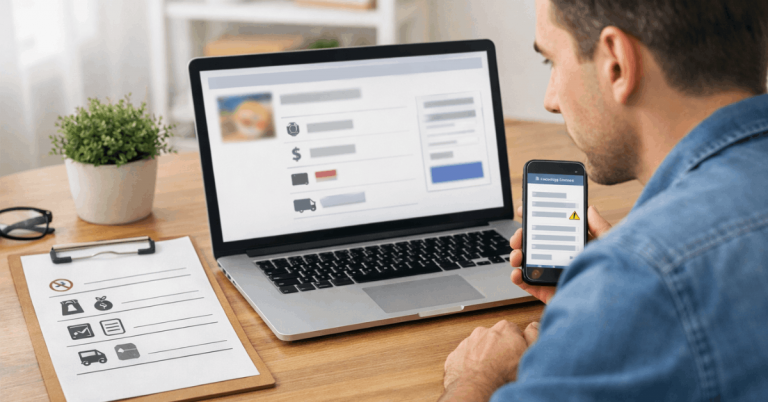
A late overseas parcel leaves you unsure whether to wait or protect refund rights. The answer depends on the delivery promise, the last meaningful scan, and the protection deadline on your order.
This guide explains how to read a delay without treating every quiet tracking gap as a loss. It covers unclear updates, customs holds, and repeated seller requests for time.
Start With The Deadline On Your Order
The seller’s message matters less than the date that can close your case. Find the buyer protection window and estimated arrival date before deciding how long to wait.
Check The Date That Protects Your Claim
Note the delivery range, dispute deadline, and appeal date. Rules vary by marketplace and destination, so do not rely on forum tips.
Check the platform’s order protection page and dispute deadline when a seller asks you to wait past the arrival date. Prepare screenshots early rather than building a claim minutes before the window closes.

When A Quiet Period Can Still Be Normal?
Economy postal shipments may go days without a new scan after leaving the origin country. That is frustrating, but it is not proof of loss while the delivery range remains open and no exception appears.
Compare the last scan with the service, then check the carrier’s official tracking page instead of the marketplace summary. Keep a dated screenshot when the status remains unchanged longer than expected.
When Tracking Deserves Immediate Attention?
Address corrections, clearance failures, damage notices, and return-to-sender scans point to specific problems.
Repeated “in transit” updates from the same place can also signal a loop rather than movement. Contact the carrier if the status asks you to pay, provide details, or arrange delivery.
Keep seller messages factual so you have a clear timeline instead of an open-ended waiting promise.
Also Read: How to Match Price Expectations to Quality

Stop Waiting When Nothing Is Changing
A vague customs message that remains unchanged beyond the promised delivery window needs closer attention.
Check the order deadline, ask the carrier for the current location, and request a documented explanation from the seller.
Do not accept repeated requests for patience when no party can show active progress. When evidence stays thin, prepare a non-delivery claim with a dated tracking history.
Adjust Your Response To The Shipping Service
The shipping method affects tracking detail and how easily a missing package can be investigated. Use the service level and delivery range as your baseline, not a number copied from another buyer’s order.
Give Economy Shipping A Wider Margin
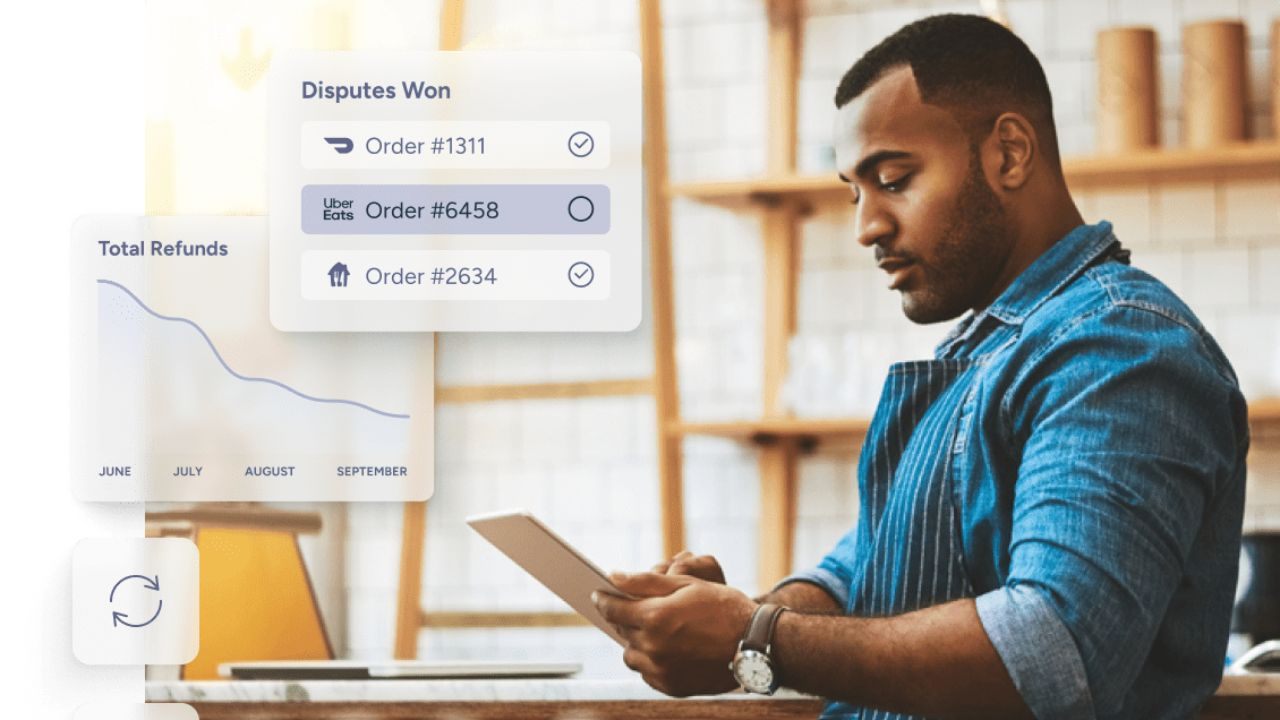
Low-cost postal services are often handled in batches and may have fewer scans during transit. They can suit small, non-urgent purchases, but are risky for gifts, repairs, or fixed dates.
Monitor the protection deadline even when a gap seems normal. Once the promised range has passed and movement is stale, document the issue before coverage expires.
Follow Up Faster With Express Services
Courier services usually provide clearer exception messages and direct contact options. Brief weather, holiday, or missed-delivery delays may be reasonable when scans continue to change.
Address problems, clearance failures, and return notices need quicker action because they can end delivery. Record the exception scan and carrier response before filing if the issue remains unresolved.
Build A Clear Case Before Filing
A concise dispute is easier for a platform to review than a long, emotional exchange. Use relevant evidence and the correct dispute reason for the status shown in the order.
Match The Evidence To The Actual Problem
For a package that never arrived, include the order date, expected arrival range, and last meaningful scan.
For an item marked delivered but missing, add any delivery photo, signature record, building log, or carrier message that applies.
Do not select a reason that conflicts with tracking or upload unrelated screenshots. A focused case shows the missing delivery and time gap quickly.
File Briefly And Before The Window Closes
State what you ordered, what tracking shows, and the resolution you are requesting. File through the marketplace rather than accepting an off-platform refund promise or private payment request. Before submitting, confirm these order facts and the platform process:
- Deadline: Buyer protection remains active.
- Tracking: Attach the latest relevant scans.
- Evidence: Include only records tied to this order.
Conclusion: Let The Order Record Guide You
Do not let a vague seller message replace the protection deadline on your order. Wait through ordinary transit gaps, but act when the delivery period passes, tracking shows a serious exception, or customs stops showing credible progress.
Keep records in one place so you can submit a clear dispute before the window closes. That approach avoids panic claims while keeping your refund options open.