
New marketplaces appear quickly and often promise better prices and wider product access.
You may feel tempted to try them without knowing how reliable they are.
Safety depends on how you evaluate sellers, payments, and delivery systems before buying.
Why New Marketplaces Attract Buyers
New marketplaces focus on quick appeal. They highlight benefits that make you want to try the platform immediately.
- Lower prices – Reduced costs driven by promotions and new seller competition
- Exclusive products – Items not commonly listed on established platforms
- Early incentives – Discounts, coupons, or bonuses for first-time buyers
- Global access – Direct reach to overseas sellers and manufacturers
- Simple checkout – Faster purchasing with fewer steps and fewer requirements
Common Safety Risks With New Marketplaces
New marketplaces often lack proven systems. This increases the chance of problems after you place an order.
- Weak buyer protection – Limited refund or dispute support when issues arise
- Unverified sellers – Seller identities and histories may not be properly checked
- Misleading listings – Product photos or descriptions may not match what you receive
- Payment issues – Fewer secure payment options or unclear chargeback rules
- Delivery delays – Shipping timelines are often inaccurate or unreliable

How Seller Reliability Is Usually Tested
Seller trust is built through visible behavior over time. You must rely on patterns, not promises.
- Account age – Longer activity suggests stability and ongoing sales
- Review quality – Detailed and balanced feedback signals real buyers
- Listing consistency – Photos and descriptions remain uniform across products
- Response behavior – Sellers reply clearly and on time to questions
- Order history – Repeated successful deliveries indicate reliability
Product Quality Concerns to Watch For
Quality varies more in new marketplaces. You should expect limited controls and inconsistent standards.
- Stock images only – No real photos of the actual product
- Vague descriptions – Missing details about materials or specifications
- Inconsistent reviews – Mixed feedback on quality and performance
- Poor packaging – Items arrive damaged or improperly packed
- No return clarity – Defect handling and returns are unclear or restricted
Delivery and Logistics Red Flags
Delivery performance shows how prepared a marketplace really is. You should review shipping details before paying.
- Vague delivery estimates – Shipping windows are broad, unclear, or change after checkout
- Missing tracking details – Tracking numbers are delayed or never become active
- Unclear carrier responsibility – It is not clear who handles the package at each stage
- Frequent customs delays – International orders stall with no clear explanation
- No delivery support process – There is no clear path to report lost or delayed items
Payment and Buyer Protection Checks
Payment safety is more important than discounts. You must confirm protection before completing an order.
- Secure payment methods – Payments go through recognized and protected systems
- Refund clarity – Refund rules are written clearly and easy to understand
- Chargeback support – The platform explains how disputes are handled
- Escrow or hold systems – Funds are not released to sellers immediately
- Platform dispute role – The marketplace participates in resolving conflicts
Platform Transparency and Legal Information
Reliable platforms clearly show who operates them. Missing information increases buyer risk.
- Business registration details – Legal company information is publicly available
- Terms and conditions access – Rules are easy to find and readable
- Privacy policy clarity – Data use and storage are explained
- Contact information – Real addresses or support channels are listed
- Policy consistency – Legal documents match what the platform promises
Customer Support and Response Quality
Support quality reflects how issues are handled later. You should test it early.
- Response speed – Messages receive replies within a reasonable time
- Answer clarity – Responses directly address your questions
- Problem ownership – Support does not redirect responsibility to sellers only
- Escalation options – There is a clear way to raise unresolved issues
- Tone and professionalism – Communication remains clear and respectful
Review Manipulation and Fake Feedback Risks
New marketplaces are easier to manipulate. You must read reviews carefully.
- Repetitive wording – Reviews use similar phrases across different sellers
- Rating spikes – Many positive ratings appear in a short period
- Missing buyer photos – Reviews lack images of delivered products
- Generic praise – Feedback lacks specific product details
- No negative balance – Absence of mixed or critical reviews
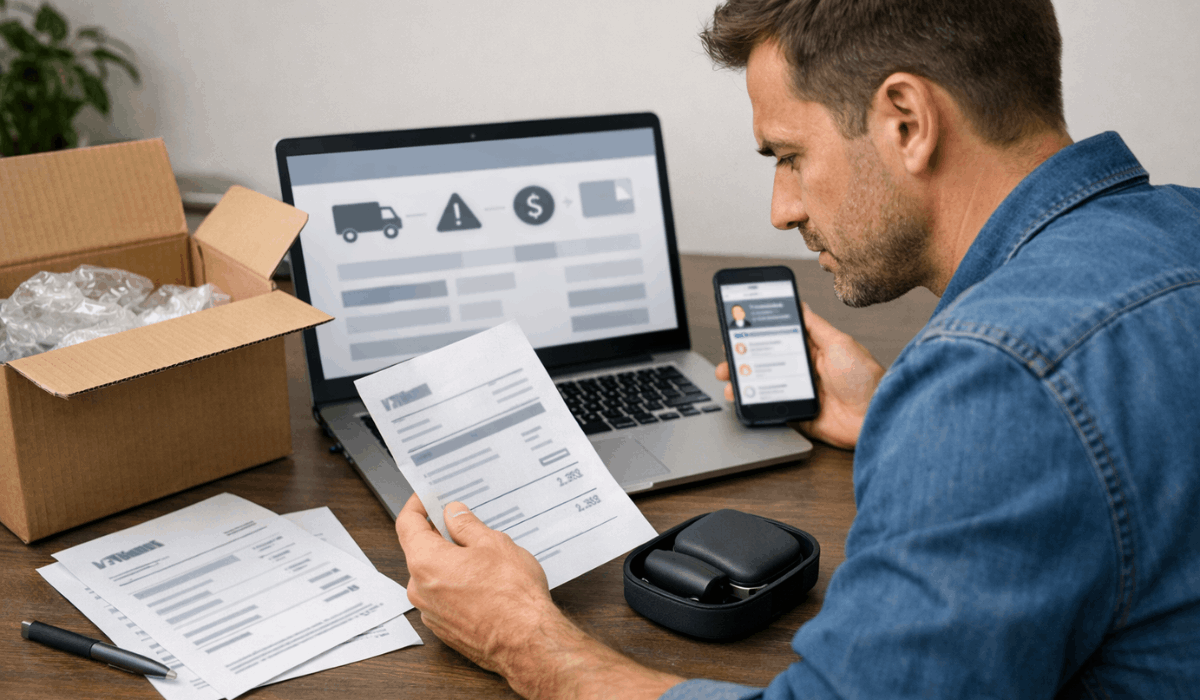
Hidden Fees and Total Cost Surprises
New marketplaces often show low prices upfront. Extra costs may appear after checkout or delivery.
- Undisclosed taxes or duties – Import fees are not clearly shown before payment
- Handling or processing charges – Extra platform or logistics fees appear later
- Currency conversion markups – Exchange rates are less favorable than expected
- Separate shipping invoices – Sellers request additional payments after purchase
- No cost breakdown – Final price components are not itemized
Data Privacy and Account Security Risks
Your personal data is more exposed on new platforms. Security systems may still be weak.
- Minimal account protection – Limited password or login security options
- Unclear data storage rules – No explanation of how personal data is handled
- Aggressive data sharing – Information may be shared with third parties
- Suspicious verification requests – Requests for unnecessary documents or data
- Poor breach communication – No clear process if data issues occur
How to Test a New Marketplace Safely
Testing reduces risk before committing more money. You should control your first purchase.
- Low-cost test order – Choose an item with minimal financial impact
- Non-urgent product – Avoid items needed by a specific date
- Full documentation – Save listings, receipts, and messages
- Tracking verification – Confirm shipping updates work properly
- Post-delivery review – Evaluate product quality and support response
When a New Marketplace Is Worth Trying
Some new platforms show reliability early. You should rely on evidence.
- Clear buyer protection rules – Policies are visible and enforced
- Responsive customer support – Support answers before and after purchase
- Consistent delivery records – Multiple buyers report on-time arrivals
- Seller accountability – Sellers are penalized for violations
- Transparent platform updates – Changes and issues are openly communicated
When to Avoid a New Marketplace
Some warning signs do not improve with time. You should stop before spending more.
- No verifiable contact details – Support channels are missing or unresponsive
- Repeated refund complaints – Buyers report unresolved payment issues
- Seller disappearance – Sellers stop responding after payment
- Policy contradictions – Rules change or conflict across pages
- Persistent delivery failures – Late or lost orders remain unresolved
Key Takeaways for Buyers
New marketplaces can offer opportunities, but they also carry higher uncertainty.
You reduce risk by checking sellers, payments, delivery systems, and platform transparency before buying.
Start with small test orders, document everything, and only continue using platforms that prove reliable over time.