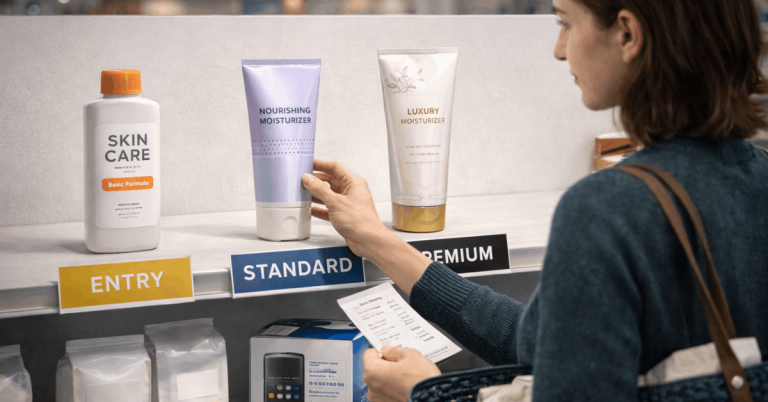
Two listings can show the same model number, product photo, and price, yet produce different outcomes after checkout.
Quality Differences Between Sellers appear in the work buyers cannot see: stock checks, accurate information, protective packing, and support after delivery.
This matters for shoppers comparing listings and for sellers trying to earn repeat orders without discounting. The product may be identical, but the purchase experience and risk level rarely are.
The Difference Starts Before The Listing Goes Live
A seller’s quality level is shaped before a product reaches the marketplace. Supplier choices and intake routines determine whether a buyer receives a clean, complete item or inherits a problem that began upstream.
Sourcing And Intake Checks Protect The Product
Reliable sellers confirm that a delivered batch matches the model, color, quantity, and condition they ordered.
They separate damaged boxes, open returns, and imperfect stock instead of mixing them with new units.
A check of seals, accessories, and working parts can prevent a buyer from receiving an item that was compromised.
These intake checks protect product consistency and reduce the chance that a low price hides a costly replacement.

Packaging Shows Up In The Final Experience
The same item can survive one seller’s delivery route and arrive damaged from another because packing differs.
A seller handling glass, electronics, or heavy parts needs the right box, internal cushioning, and enough space to stop movement during transport.
The UPS packaging guidance explains why separate wrapping, cushioning, and secure sealing matter before a package enters the carrier network.
Good protective packing and clear labels do not guarantee a flawless delivery, but they greatly reduce avoidable transit damage.
Product Pages Can Prevent Expensive Mistakes
A product page is part of the service, not just a sales tool. Clear listing details and honest images help buyers select the right option before they need a return or replacement.
Exact Details Make Comparison Easier
Sellers should state the dimensions, material, compatibility, included accessories, and chosen variation in plain language.
A phone case may look identical across five listings, but one may fit only a previous model or exclude the screen protector shown in the image.
Specific photos of ports, labels, textures, and scale give buyers a better view than a copied manufacturer image alone.
This reduces wrong-item orders and pre-purchase doubt, especially for clothing, technical accessories, and replacement parts.
Reviews Reveal Whether Claims Hold Up
Recent buyer feedback can show whether the current stock still matches the description. Look for repeated comments about missing parts, thin materials, poor sizing, crushed packaging, or slow dispatch rather than relying on a lifetime star average.
Seller replies also matter because they show whether a store investigates a problem or sends a copied apology.
The strongest review patterns and buyer photos reveal how the listing performs after real handling, not only how it looks on launch day.
Also Read: How Delivery Time Affects Product Condition

Delivery And Support Decide Whether Buyers Return
The product becomes only part of the decision once payment is complete. Dispatch reliability and after-sale help decide whether a small problem becomes a frustrating experience or a reason to shop with the seller again.
Promised Shipping Needs A Real Operational Plan
A fast-delivery badge is useful only when the seller has stock, carrier cutoffs, and accurate handling times behind it.
For U.S. online orders, the FTC shipping rules explain that sellers need a reasonable basis for advertised shipping timelines and must handle unexpected delays properly.
Buyers should check the estimated arrival date, shipping source, and recent delivery comments rather than trusting a broad “fast shipping” claim.
Honest delivery promises and tracking updates make a seller more dependable than one that offers an impressive date and changes it later.
Returns Matter Before A Problem Happens
A clear return route reduces risk of choosing between nearly identical listings. Buyers should check the reporting window, product condition rules, restocking fees, return address, and whether the seller covers postage for a mistake.
A seller that explains these details before checkout makes it easier to resolve a wrong size, damaged item, or missing part without a long argument.
Straightforward return terms and responsive support can justify paying more for a listing that is easier to use if something goes wrong.
Price Becomes Meaningful Only After Risk Is Included
The lowest number on the search page rarely represents the cheapest completed purchase. Total value includes shipping, condition, missing accessories, return effort, and the chance of needing to buy the same item twice.
Bundles And Guarantees Need Clear Value
A useful bundle solves a real setup problem instead of adding unrelated extras. For example, a camera listing with a compatible memory card, case, and cleaning cloth may save time if every item is specified and included.
Guarantees should be written in plain terms, with clear limits on duration, covered defects, and the steps for making a claim.
These practical additions and specific promises create value when they reduce buyer work rather than merely making the offer look larger.
A Short Check Before You Pay
A short comparison is usually enough to spot a risky listing. Confirm the exact variant, recent review evidence, delivery date, and return route before focusing on a small price difference.
This keeps the decision connected to the item’s value, fragility, and urgency instead of a countdown timer. Use this checkout check to compare the final risk:
- Product: Match the selected variant and included parts.
- Seller: Read recent photos and repeated complaints.
- Terms: Check delivery timing and the return route.
Conclusion: The Seller Shapes More Than The Product Price
When identical products sit beside each other, the real difference is often operational care rather than the item itself.
Better stock checks, accurate pages, protective packing, and useful support make the purchase less risky from checkout through delivery.
Buyers should compare the proof behind each offer, while sellers should treat every listing detail and support response as part of customer trust.
That approach creates repeat business and fewer disputes without pretending that price no longer matters.