An international order does not travel directly from a seller to your door. It passes through payment checks, stock confirmation, warehouse sorting, export queues, customs, and a local courier that may use another tracking system.
Knowing the route helps you read quiet updates and notice problems before the support window closes.
This guide follows the real journey of an order and shows where your attention matters most.
Your Order Is Not Ready to Ship the Moment You Pay
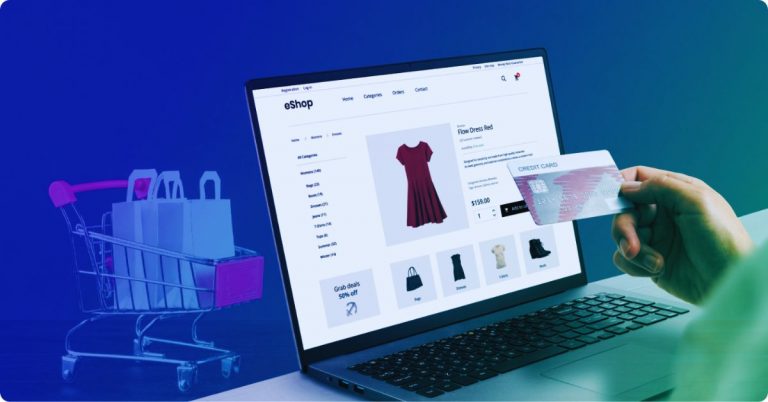
After checkout, the platform confirms payment while the seller checks the chosen model, colour, quantity, and address. A card authorization can appear immediately, but stock may be unavailable or held elsewhere.
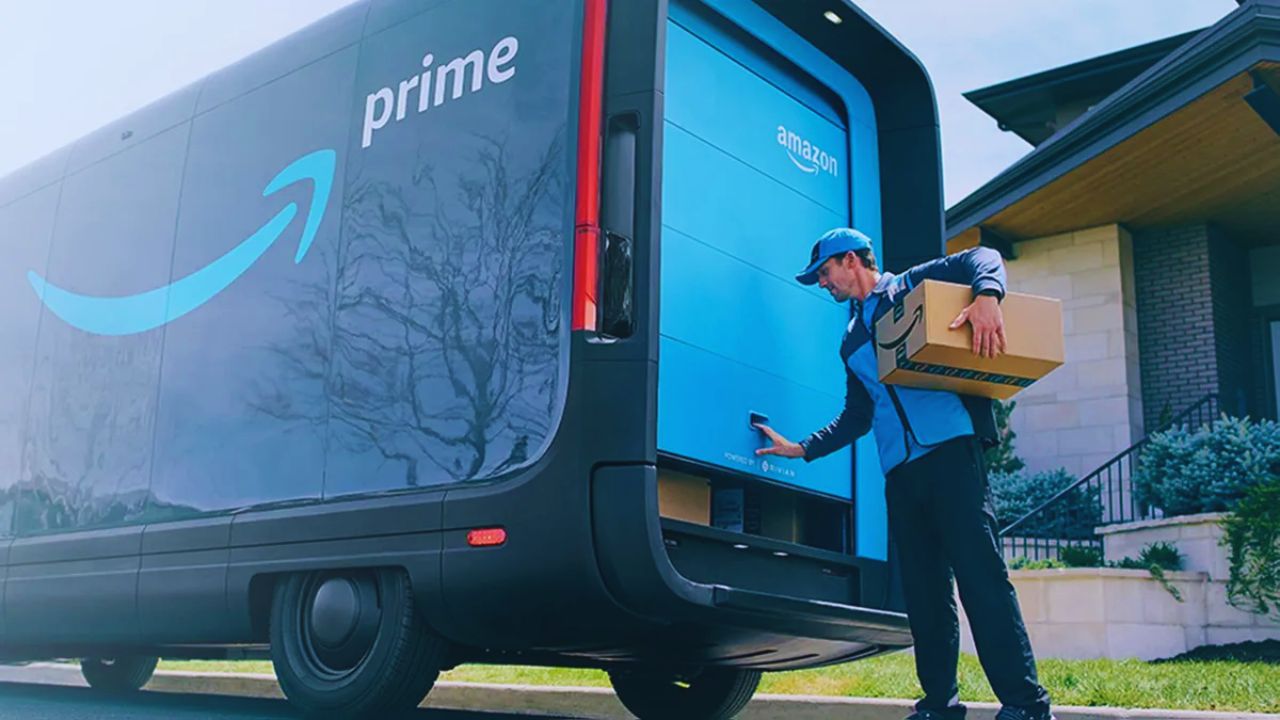
That is why an order can remain in processing even after payment clears. Keep the confirmation email and order number; they are your first order record and the starting point for any later support request.
A Shipping Label Is Not Proof That the Parcel Has Left
Sellers can create a tracking number before collection. “Label created” or “shipment information received” means shipping data exists, not that the item is moving.
Look for an acceptance, pickup, or facility scan before treating the order as dispatched.
If it does not appear after the stated handling period, ask in the marketplace when the parcel was physically handed over. This separates a normal shipping delay from an inactive tracking number.
Warehouses May Combine Your Parcel With Hundreds of Others
Once a carrier receives the parcel, it may enter a warehouse before export. Logistics companies sort packages by destination, combine them into larger shipments, and wait for cargo space.
This lowers delivery costs, but can create quiet days between the first scan and export. A pause here is not automatically bad. Check whether it still fits the seller’s handling period and the delivery range shown at checkout.
Why Tracking Often Goes Silent Before Departure
Some services show only major milestones: accepted, departed, arrived, and delivered. Smaller scans may exist internally but never appear to buyers.
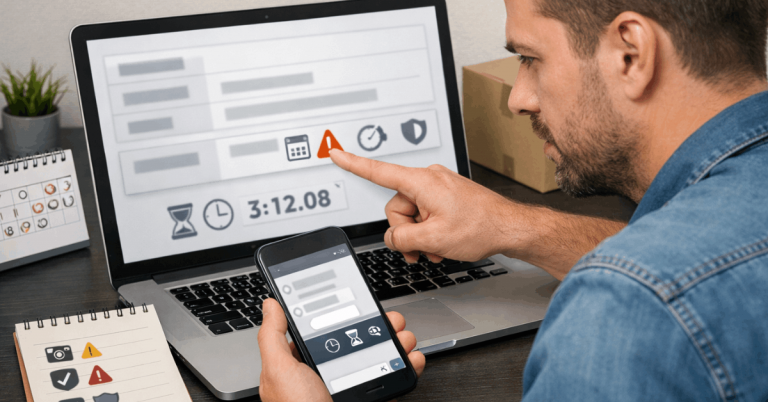
Weather, limited flight capacity, security checks, and busy sales periods can delay departure. Avoid refreshing the page every hour.
Check the last meaningful scan and the estimated arrival range. A short tracking gap can be normal; a repeated status past the final date deserves action.
Customs Is a Checkpoint, Not a Sign That Something Is Wrong
After arrival, packages may wait for customs officers to review documents, declared value, and restricted goods. Many clear without any message.
Others need an import fee, identity document, invoice, or explanation of the contents before release. Read official carrier notices carefully and do not pay through a random text link.
Keep your order confirmation ready, since it may show the item value and description customs needs.
Do Not Ignore a Verified Fee or Document Request
A customs request can feel like an unexpected cost after checkout. Check the carrier’s official tracking page or contact number before responding, then note the deadline for payment or documents.
Ignoring a real request can lead to storage charges or return to sender. Paying a fake request is equally risky. Verify the official source and shipment reference before sharing payment or personal information.
The Final Courier May Be Different From the Original Carrier
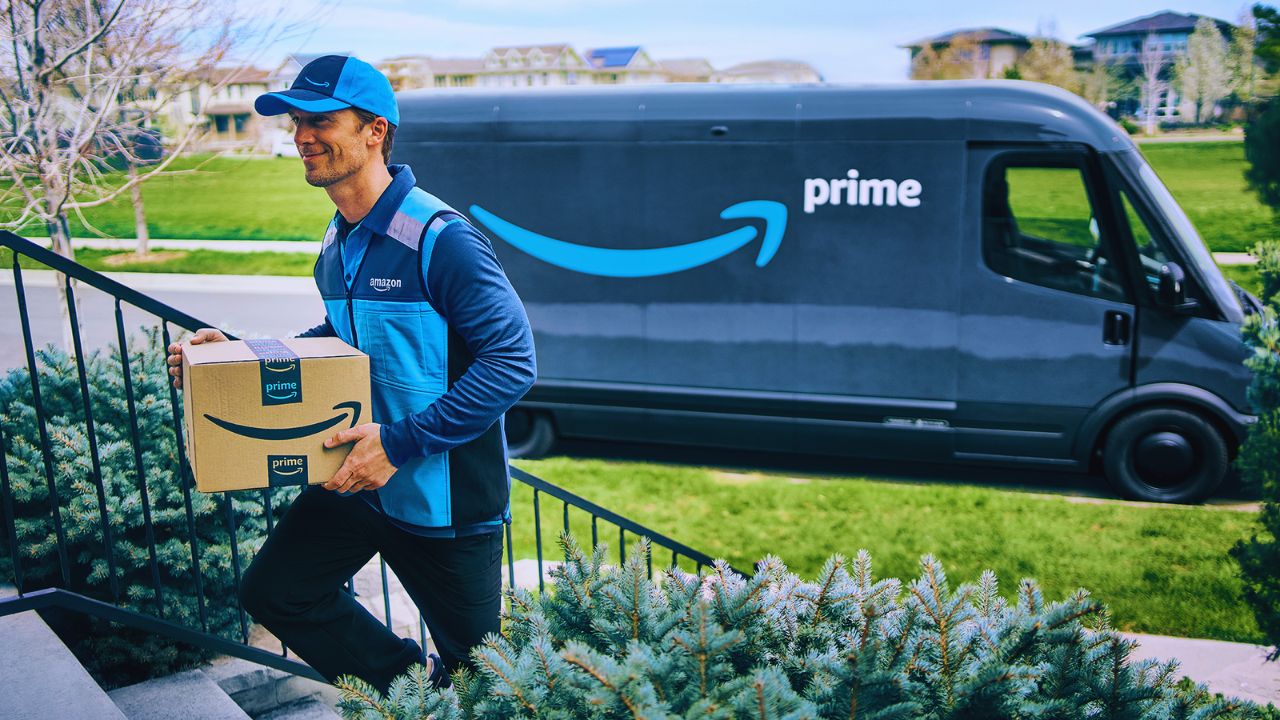
Once customs releases the parcel, a domestic courier usually takes over. The original tracker may not show a delivery attempt, depot hold, missed call, or pickup location, while the local carrier does.
Look for a second tracking code in the order details or shipment history. Use it to see whether your parcel is at a regional hub, loaded for delivery, or waiting at a collection point. This final handoff often explains a confusing last-mile delay.
Also Read: How to Read Reviews to Assess Real Quality
A Delivered Scan Needs a Quick Reality Check
When an order is marked delivered but you cannot find it, check your mailbox, reception, household members, security desk, and usual safe-drop location.
Review the local carrier record for a photo, signature, location note, or attempted-delivery detail. Take screenshots before the status changes.
A wrong delivery scan can sometimes be corrected, but it is easier to question quickly. Your first response should be factual and your evidence saved.
Open the Package Like You May Need to Explain What Happened
The first minutes after delivery can protect you if the item is damaged, incomplete, used, or different from the listing. Photograph the outer box, label, and visible damage before throwing anything away.
Compare the product, accessories, colour, size, and model number with the selected option. Do not install, wash, repair, or discard packaging until you know the item is right. These steps create clear proof and preserve your return options.
Three Checks Before You Throw Away the Packaging
This check matters most for fragile goods, electronics, fitted items, and purchases that would be difficult to return internationally.
It takes minutes and gives you a cleaner record if something is missing or wrong. Keep the package and the listing available while you inspect.
- Photograph the label, box, packing materials, and contents before use.
- Match the item, model, size, and accessories against the selected order option.
- Test basic functions carefully without altering or damaging the product.
When a Normal Delay Becomes a Support Problem
Not every late parcel requires a dispute. A recent customs update, weather interruption, or documented local-carrier delay may justify waiting.
An inactive label, a route that does not match your country, a tracking loop, or silence after the latest delivery date is different.
Read the order page for buyer-protection and escalation deadlines before relying on a seller’s promise to fix it later. Your strongest tool is acting within the claim window, not sending another follow-up.
Keep Your Request Short, Dated, and Inside the Platform
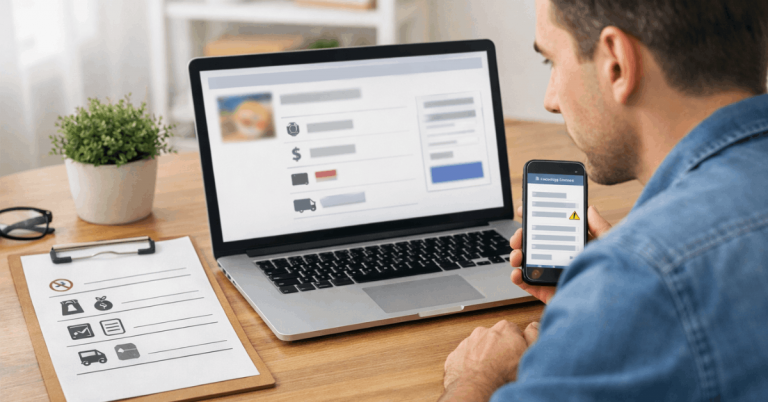
When you contact the seller or open a case, state the order number, last meaningful scan, date, and issue in a few lines. Attach the order page, tracking record, and photos when relevant.
Ask for a verified carrier update, replacement, or refund review. Keep messages within the marketplace, where support can see the timeline. A concise case summary is easier to assess than a long conversation driven by frustration.
Follow the Route, Then Protect Your Deadline
International orders involve several businesses, so tracking can often look incomplete. You do not need every scan code, but you should know whether the order reached a carrier, left the origin, cleared customs, and entered local delivery.
Save key records from the start and check the platform deadline before waiting too long. That habit turns the unknowns of cross-border delivery into a manageable process, even when an order needs support.