A parcel that stops moving can feel more serious than a late local delivery, especially for a replacement part, gift, or hard-to-find item. Yet a quiet tracking page does not automatically mean the package is lost.
International orders move through carriers, customs, and several scanning systems. The useful response is to check the timeline, identify the last scan, and protect your deadline before frustration sends you in the wrong direction.
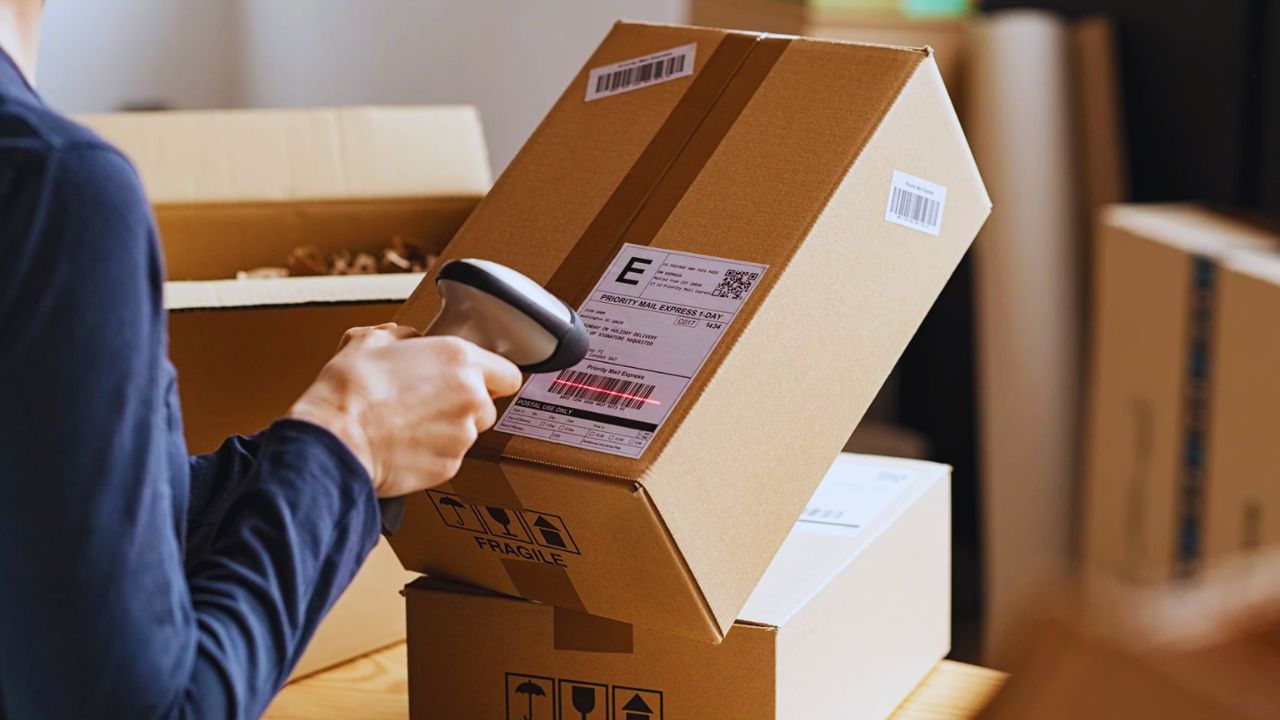
Decide Whether the Parcel Is Actually Stuck
International tracking is not a live map. A shipment may travel for days, wait for a handoff, or sit in a customs queue without a public update.
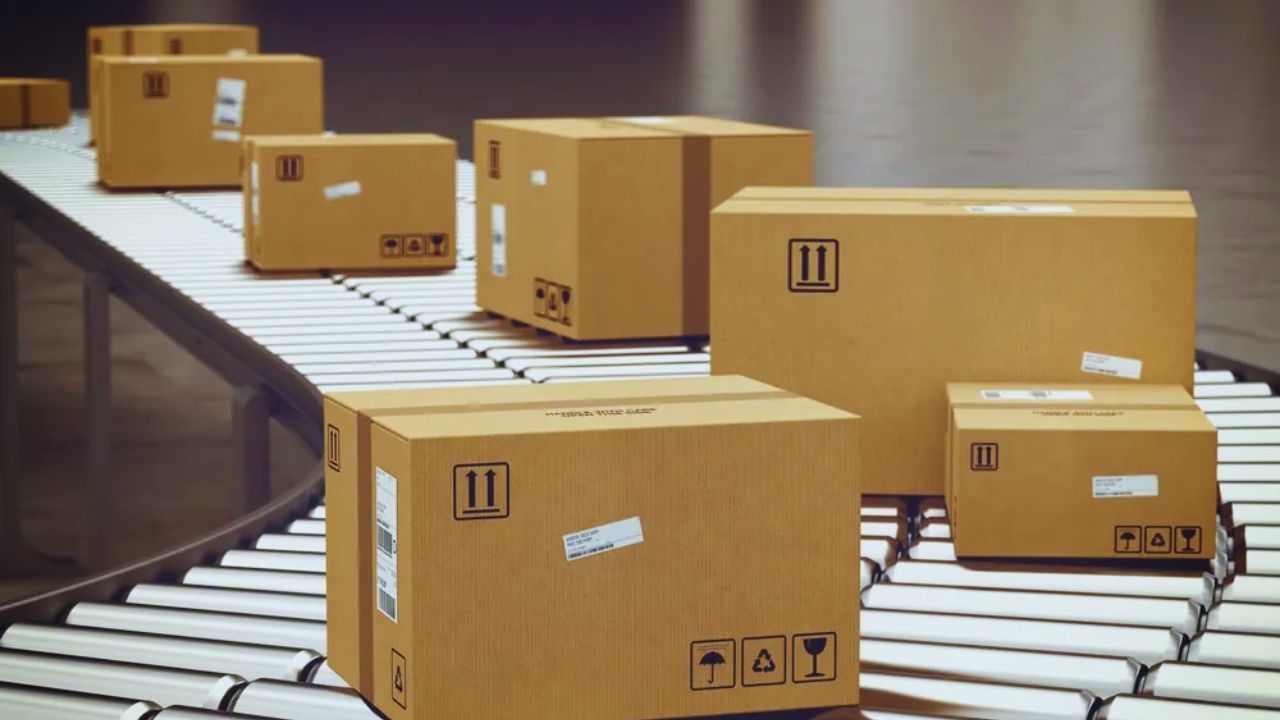
Use the delivery range in your order details, not the earliest date you hoped it would arrive. Concern is justified when the estimated window has passed and there is no recent movement or clear explanation.
Read the Last Update in Context
Look at the date, place, and wording of the newest scan. “Label created,” “accepted,” “departed,” and “arrived” describe different stages. Two quiet days can be ordinary for economy shipping; several quiet weeks deserve attention.
Also check the seller’s handling time, because the parcel cannot move until the carrier has received it for transport.
Separate a Seller Delay From a Carrier Delay
A label can exist before a seller actually hands over the parcel. If tracking never shows carrier acceptance, ask the seller for the dispatch date.
Once the carrier has it, the seller may not control customs or weather, but they can still verify their shipment details. Knowing the stage keeps your question focused and makes a vague reply easier to challenge.
Trace the Next Handoff, Not Just One Tracking Page
International parcels often change between postal services, freight companies, and local couriers. The original tracking page may stop at a border even while a delivery partner is preparing the final route.
Check the carrier named in the latest update and the marketplace order page for a second number or final-mile reference. You are looking for the next carrier and the next action, not another generic status.
Customs and Local Delivery Can Create Silent Gaps
A customs notice may mean the parcel is waiting for inspection, information, payment, or release; it does not always mean failure.
Check carrier emails, notices, or duty requests, but verify them through the carrier’s official contact route rather than a random link. Once clearance finishes, tracking can pause again while a local courier takes over. These gaps are often a pause, not a loss.
Make Sure the Number Still Belongs to Your Order
Compare the tracking number on the order page with the number in carrier records and confirmation messages. A typo, copied number, or delivery scan in another country needs prompt attention before your buyer-protection deadline passes.
The same goes for a history that never shows carrier acceptance or a parcel marked delivered before it left origin. Specific inconsistencies give you a stronger reason to request clarification.
Also Read: What to Do If the Product Doesn’t Match the Listing
Ask the Seller for Something Specific
“Where is my order?” is understandable, but it rarely produces a useful answer. Include the order number, last scan, scan date, and the delivery range, then ask for one practical step: confirmation of dispatch, a carrier inquiry, or an updated plan.
This keeps the exchange calm and creates a written record of the seller’s response if you later need help.
Keep Every Important Conversation on the Marketplace
Use the platform’s message system for updates, refund discussions, and replacement promises.
Those messages can be reviewed if you open a case; private chats, bank transfers, or off-platform arrangements may leave you without the same record.
Do not close a request only because the seller says they will fix the problem later. A friendly promise is not the same as a documented agreement or an active case.
Give a Short Reply Window, Then Reassess
Time zones and carrier inquiries can slow an initial reply, so one or two business days is usually reasonable unless the deadline is close.
If the seller only says “please wait,” ask what they checked, whether the parcel has been traced, and when they will update you again. A direct date gives you something concrete to follow. Clear timing is more useful than vague reassurance.
Use Deadlines, Not Frustration, to Decide the Next Step
Waiting makes sense while the package is within its stated delivery range or has a recent scan showing real movement.
It makes less sense after the final estimated date passes, tracking stops for an unusual period, or the seller no longer provides useful information.
Do not wait until the final day of buyer protection because you hope the order will appear. Your claim period is a real deadline.
Escalate Through the Marketplace While You Still Can
Read the order page for its missing-item process and time limit, then start the platform procedure while you remain eligible. Include tracking screenshots, order details, seller messages, and carrier notices that explain the delay.
Act faster when tracking is invalid, shows a return to sender, or indicates failed delivery because of an address issue. Those signs do not prove bad intent, but they can reduce your options if you wait.
Shop Differently When Timing Matters
You cannot remove customs delays, weather disruption, or carrier backlogs.
You can reduce preventable trouble by checking the item location, handling time, shipping method, delivery range, and recent feedback about dispatch before you pay.
A very low price can stop being a bargain when the only route is untracked and the item is needed on a fixed date. Match the shipping choice to the item’s importance.
A Small Check Before Checkout Can Save Trouble
Before paying, give the listing a quick review. For urgent, fragile, or expensive purchases, check whether the seller has recent delivery feedback, whether the dispatch location is clear, and whether tracking is offered.
Save the listing, order details, and shipping terms once you buy, so you are not searching for them later. That minute will not eliminate all risk, but it makes the trade-off visible.
- Confirm the dispatch location and estimated arrival range.
- Choose tracking for urgent or higher-value items.
- Save the listing, order details, and shipping terms.
Keep the Delay Manageable
Most stuck orders result from handoffs, customs, missed scans, weather, or staffing pressure rather than a deliberate attempt to mislead you.
Check the route, ask a precise question, and follow the marketplace process before its deadline. Keep screenshots and messages together, because they tell the story without relying on memory.
Acting on evidence instead of panic gives you the strongest position for a fair resolution.