A product can leave a seller in good shape and arrive scratched, bent, damp, or incomplete. The difference often comes down to packing before a long international journey.
Good packaging cannot prevent every problem, but it limits avoidable damage and gives you stronger proof when a problem appears.
Long Shipping Routes Put Packaging Under Pressure
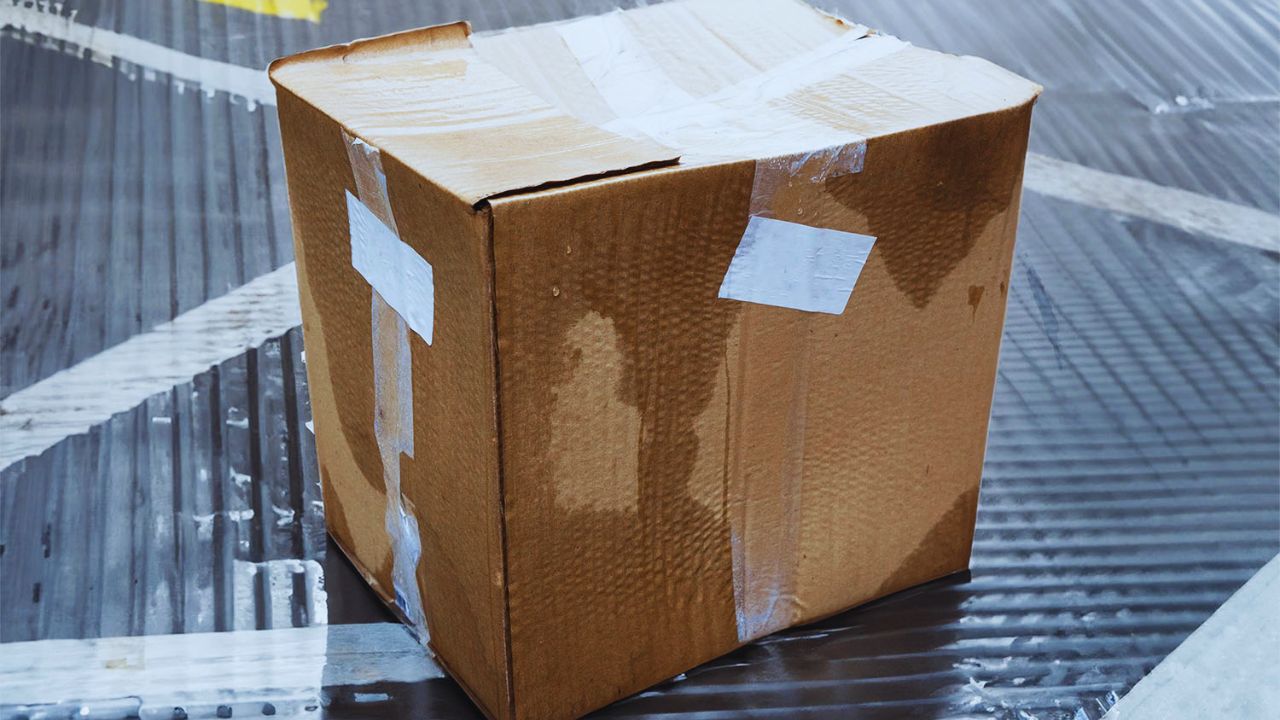
International parcels pass through more handling points than local deliveries. A box can be stacked under heavy freight, moved between carriers, exposed to changing temperatures, or opened for inspection.
Packaging is therefore more than presentation. It is part of the item’s protection and the seller’s fulfilment standard.
Empty Space Lets Damage Build Up
An item that slides around can hit the walls of its carton repeatedly. That is risky for glass, electronics, ceramic goods, and products with loose accessories.
Good packing holds it in place with fitted inserts, paper, foam, or tight wrapping. The goal is to prevent movement without applying damaging pressure to delicate parts.
The Outer Box Must Match the Item
A thin mailer may suit a soft shirt, but not a lamp, collectible, or tool with protruding pieces. Heavier items need sturdy cartons, while breakables benefit from inner protection and an outer box.
Retail packaging often protects branding, not transport. Check that the shipping box fits the item’s weight and shape.
Different Materials Solve Different Shipping Problems
Bubble wrap, foam, air pillows, plastic bags, and cardboard inserts are not interchangeable. Each addresses a separate risk, and the right mix depends on the product.
Several layers help only when they control impact, moisture, and rubbing instead of filling space for appearance.
Padding Works Only When It Stops Contact
Bubble wrap does little when the item can still touch the carton wall. Foam corners, dividers, and close-fitting inserts create safe distance between fragile surfaces and the box.
Small parts should be bagged and secured so they cannot scratch the product or disappear. Look for secure placement, not loose padding.
Moisture Protection Is Easy to Miss
Rain, condensation, and humid storage can damage paper goods, untreated wood, labels, adhesives, and fabric. An inner plastic bag may keep a damp outer box from reaching the product, though it cannot prevent crushing.
Liquids also need sealed caps and secondary bags. For water-sensitive goods, a moisture barrier matters alongside cushioning.
Use Reviews to Check How Similar Orders Were Packed
You cannot inspect the parcel before checkout, but buyer photos can reveal outer boxes, internal filler, and whether accessories were secured.
Read recent reviews for crushed corners, loose items, or missing parts. Focus on feedback for the same product type, not broad praise about another order.
Unboxing Photos Show More Than Retail Images
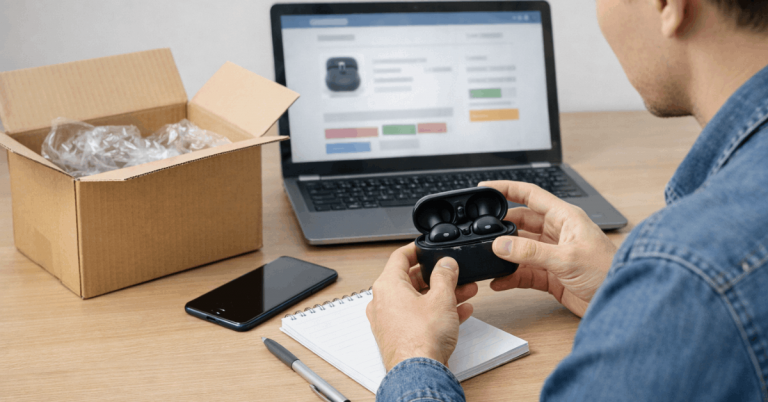
A gallery may show a neat retail box, while buyer photos show the shipping carton and protective layers. This is useful for screens, glassware, model kits, and electronics.
Repeated images of dense foam or careful wrapping suggest a consistent process. Repeated damage reports suggest the packing is not sufficient.
Ask One Direct Packing Question
For a fragile or costly order, ask whether it will ship in a box, whether accessories will be secured, or whether extra protection is available.
A direct reply cannot remove every risk, but it shows whether the seller understands the issue. Keep the request in marketplace messages so it remains an order record rather than a private promise.
Packaging Failures Usually Leave Visible Clues
Shipping damage becomes clearer after delivery when you look at the parcel and its contents together. Boxes collapse, products rub, thin items bend, and accessories escape.
These patterns help you show why the problem came from packing rather than normal use. Photograph both the parcel’s condition and the item’s position inside it.
Corners and Edges Take the First Hit
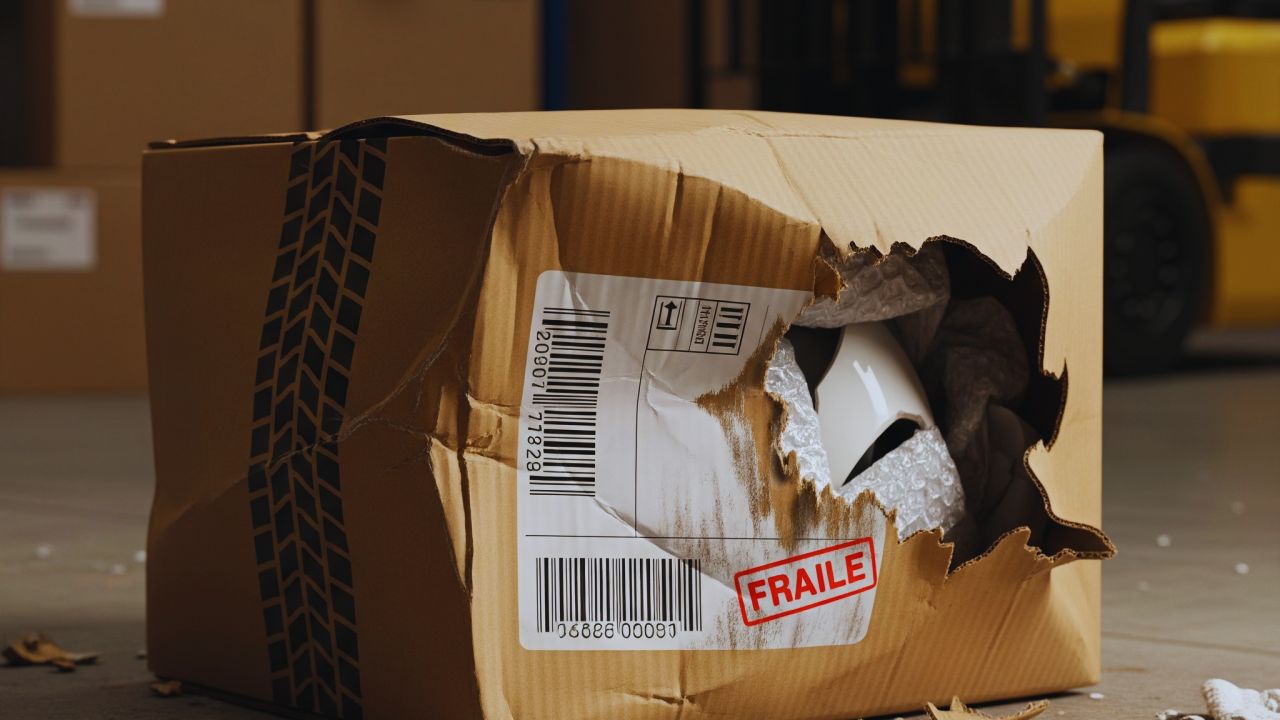
Cracked screens, chipped surfaces, broken clips, and bent panels often occur when an item has little space between itself and the box.
Empty gaps let it gain momentum during drops. Photograph outer damage, internal layout, and the defect before moving anything. That sequence connects the impact to missing protection.
Also Read: Product Descriptions vs Reality: What to Watch
Loose Parts Can Scratch or Disappear
Cables, screws, adapters, lids, and small tools can scratch a main item or go missing when they are not bagged or taped down.
This affects furniture, electronics, and hobby kits. Lay every piece out and compare it with the contents list before discarding filler. A photo of the missing item and empty packaging may support a claim.
When a Damaged Parcel Arrives, Preserve the Evidence
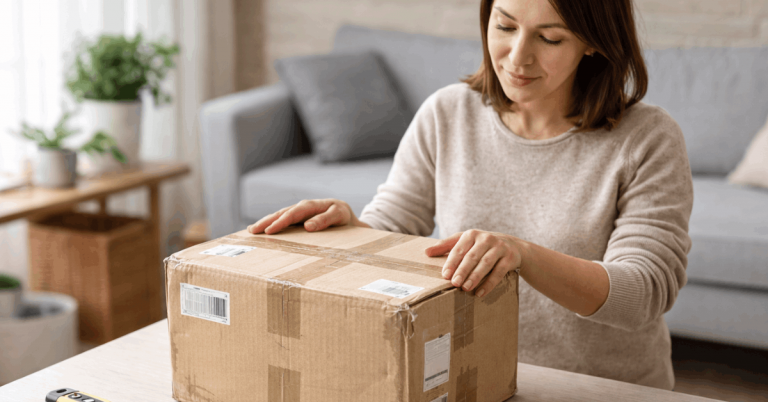
Do not throw away a bulky box. The outer carton, tape lines, labels, and filler can be useful if the seller asks how the problem happened.
Photograph the unopened package, shipping label, dents, wet marks, tears, and holes. Keep the box and all materials until the case is resolved.
Record the Inside Before You Attempt a Fix
Open the parcel carefully and capture the filler, item placement, accessories, and defect. For a functional problem, make a short video showing normal setup before the failure.
Avoid repairs, washing, permanent assembly, or heavy use before contacting support. Early evidence is clearer than a later explanation after the condition changes.
Report the Problem With Facts and Photos
Use marketplace messages to say what arrived, what failed, and the remedy you want. Attach the clearest images and ask for a replacement, refund, or return instructions.
Check the order page for deadlines instead of waiting on vague replies. A calm message and complete records make escalation easier.
Match the Item to the Packaging Risk
A low-cost cable in a padded envelope may be acceptable. A mirror, camera lens, or large appliance needs far more protection.
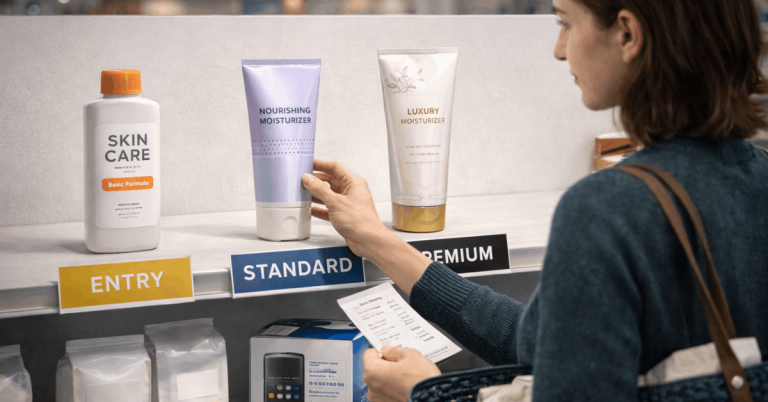
Consider fragility, value, and return difficulty before deciding if the listing is worth it. The sensible choice balances the saving against the likely consequence of damage.
Make a Fast Check Before Checkout
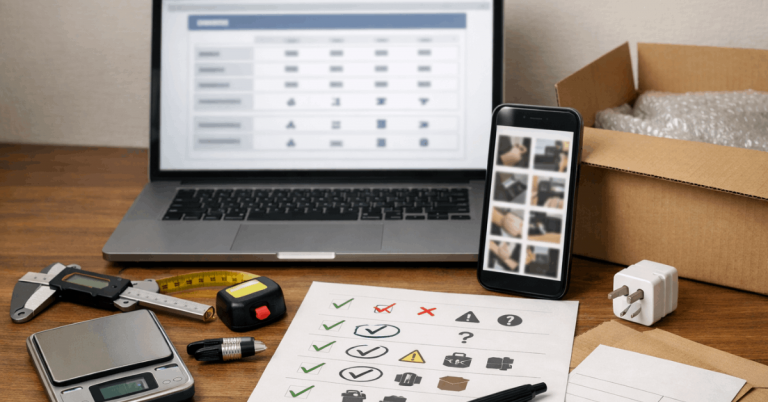
Take one minute to decide whether the seller’s packing habits suit the item. This matters for fragile, expensive, or time-sensitive orders. The list below keeps the decision tied to evidence rather than attractive images or a sale timer.
- Review buyer photos for box condition and padding.
- Confirm the item’s fragility and return cost.
- Ask for boxed packing or secured accessories.
Let Protection Influence the Purchase
Packaging affects product condition because it determines how well an item survives pressure, movement, moisture, and repeated handling.
A seller who uses the right box and controls empty space may be worth paying more for. When protection appears weak, choose another listing or buy locally. Put evidence before the discount, especially when a damaged order would be difficult to fix.