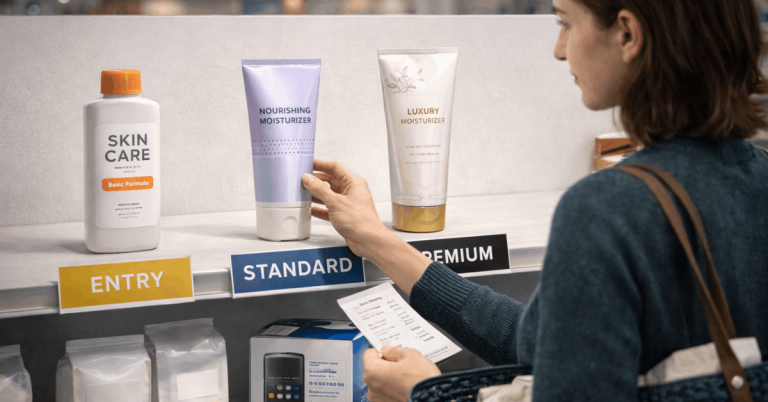
Clicking “buy” on a cross-border listing feels a bit like gambling when you can’t touch the product first. The material claims look convincing. But your hands never get to confirm them.
Product durability depends almost entirely on what that item is made of. And in cross-border shopping, the listing’s material section is your only physical evidence before checkout.
Sellers know this. That’s why “premium quality” appears on listings for items that crack within a week. The word “premium” has zero technical meaning.
So how do you separate real material durability signals from marketing filler? A few habits, applied consistently, change your odds dramatically.
Quick Material Verification Routine for Cross-Border Buyers
Judging product durability through a screen sounds difficult. But it follows a pattern once you know where to look. The goal is a repeatable check that takes less than five minutes per listing and saves you weeks of return headaches.
Read the Spec Section for Grades and Standards
A listing that says “plastic” tells you nothing. A listing that says “ABS plastic, 2mm wall thickness” tells you quite a lot. Look for material grades (ABS, polycarbonate, 304 stainless steel, 600D nylon) rather than adjective-heavy descriptions.
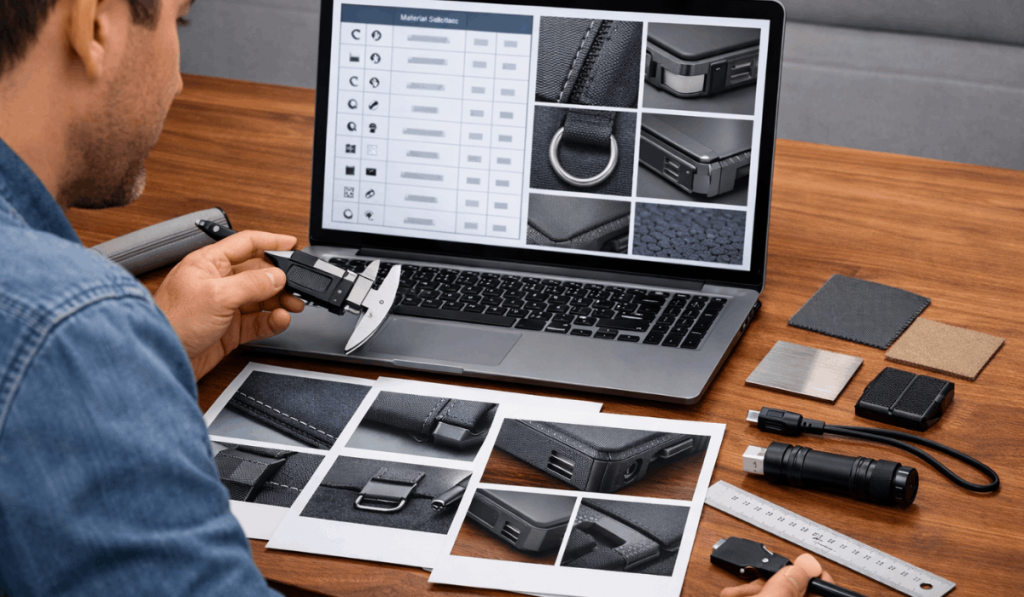
Weight and dimension specs also function as reality checks. A “stainless steel” water bottle that weighs 150 grams is probably thin-gauge metal with minimal corrosion protection. The numbers don’t lie, even when the marketing copy does.
Use Buyer Photos as Your Hands
The second step is treating buyer-submitted photos like a physical inspection. Zoom into edges, seams, connectors, and the underside of the product. These stress points reveal the material quality that studio-lit product shots hide.
I would trust a single buyer photo showing reinforced corner ribs on an ABS phone case over 50 five-star text reviews saying “great quality.” Photos of wear after a few weeks of use are even better. They show how the material responds to friction, heat, and daily handling.
Screenshot the Listing Before Checkout
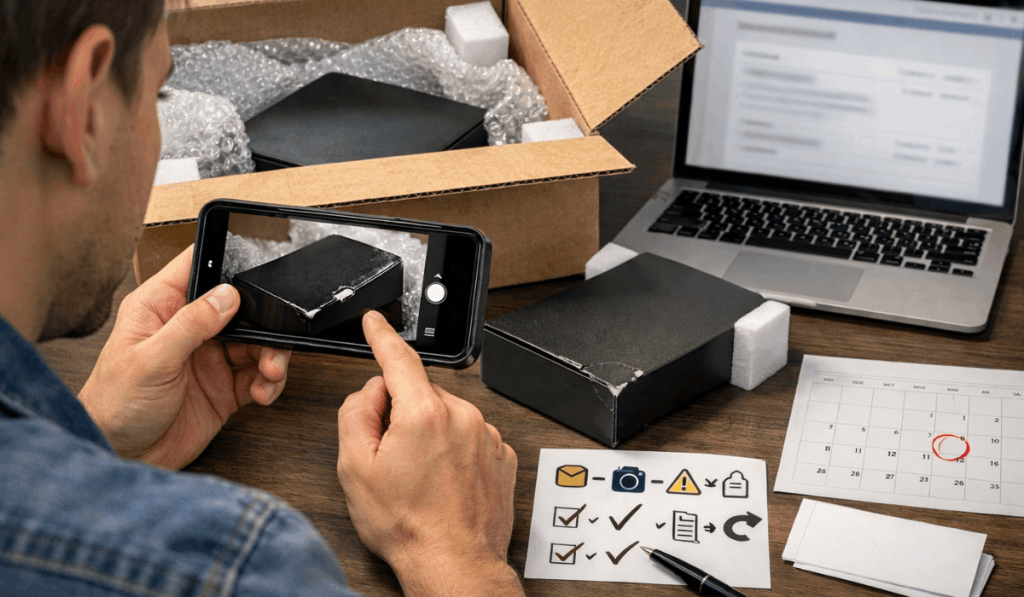
This step gets skipped constantly, and it costs people disputes. Save the listing’s material claims, the spec section, and the product description before you place the order.
Sellers change listings after complaints roll in. If your dispute evidence doesn’t match the current listing, platforms side with the seller.
Plastics and Cross-Border Durability: Red Flags to Catch Early
Plastic is the single most common material in cross-border products, and also the most inconsistently described. A listing just saying “plastic” could mean anything from impact-resistant polycarbonate to brittle, thin-walled junk that snaps the first time you drop it.
Stronger Plastics Worth Looking For
ABS and polycarbonate are the two plastics you want to see named in a listing.
They show up in cases, housings, and rigid covers for a reason: both handle drops and temperature changes far better than generic unnamed plastic. Nylon is solid for parts that flex or rub against other surfaces, like hinges and gear clips.
Thick corners and visible reinforcement ribs in buyer photos beat any use of the word “premium” in the product title. A reinforced rib costs the manufacturer more material. “Premium” costs them nothing.
Spotting Weak Plastic Before It Arrives
Weak plastic fails at predictable points: corners, clips, hinges. When three or four reviews mention cracks at the same spot, that’s a design flaw built into the mold itself.
Other red flags worth catching early:
- Reviews mentioning a strong chemical smell at unboxing, which suggests low-grade recycled plastic
- Buyer photos showing thin walls, sharp mold lines, or uneven thickness near stress points
- Warping complaints tied to heat exposure during shipping or normal use
A phone case that cracks at the corners does so because the manufacturer made the corners thin to save material. That pattern repeats across thousands of cheap cross-border products.
Also read: How Delivery Handling Impacts Fragile Items
Metals, Leather, and Fabrics: Material-Specific Durability Checks
Beyond plastics, each material category has its own durability signals and its own set of misleading seller language. The trick is knowing what specific failure looks like for each one.
Stainless Steel Claims vs. Stainless Steel Reality
“Stainless” on a listing is not a full specification. There are dozens of stainless steel grades, and the cheaper ones rust in humid environments within months.
Look for listings that specify a grade like 304 or 316 stainless steel. If the listing just says “stainless,” check review photos for rust dots, discoloration, and pitting after short use.
I think the dispute screenshot method matters most for stainless steel items, because a photo of rust on a product labeled “stainless” is one of the strongest dispute claims on any platform. Screenshot that material claim. Then photograph rust close-up if it appears within the first 30 days.
Aluminum and Why Coatings Matter More Than the Metal
Aluminum is light and corrosion-resistant on its own, but the coating on top of it determines how long the product looks new. Anodized finishes hold up far better than thin paint layers. Painted aluminum chips easily, especially when the packaging allows the item to shift during shipping.
A coated metal item that chips on arrival is a sign of two problems at once: a weak finish and bad packaging. Rust follows the chip. The material was fine. The process around it was not.
Fabric Items Fail at the Seams, Not the Panel
Bag buyers focus on the fabric panel material when the real failure point is almost always the stitching. A backpack seam fails at the strap base because of low stitch density, not because the nylon panel was weak.
| Material | Strength Signal | Common Failure Point |
|---|---|---|
| Nylon (bags, outer layers) | High abrasion resistance | Seam separation at stress anchors |
| Polyester (linings, budget gear) | Varies widely by weave density | Pilling and thinning at contact areas |
| Cotton (casual items) | Comfortable but less durable | Shrinkage and color fading after washes |
The takeaway: match the fiber type to your specific use case and climate, then judge the stitching quality in buyer photos separately from the fabric itself.
PU Leather and “Vegan Leather” Peeling Problems
PU leather can look identical to real leather at unboxing. The difference shows up 3 to 6 weeks later, when peeling starts at folds, corners, and strap attachment points. Heat and humidity accelerate this.
I would avoid PU leather for any daily-use item like a bag handle or wallet, because the peeling pattern across reviews is too consistent to ignore.
If the listing says “vegan leather” without specifying the exact coating type, expect PU. Document peeling with close-up photos plus a wide shot showing overall condition if you need to file a return.
Clear terms like full-grain or top-grain leather are more informative than vague labels like “real leather” or “genuine leather.” Buyer photos of the edge and underside can reveal a heavy synthetic coating hiding weak material underneath.
Furniture, Glass, and Fragile Items in Cross-Border Shipping
High-risk categories deserve extra screening. Furniture and fragile items combine material durability concerns with a packaging survival problem that other product categories don’t face.
Solid Wood vs. Engineered Wood and Why It Matters for Shipping
MDF and particleboard swell at the edges when exposed to humidity. The laminate then lifts. This can happen during transit through humid ports before the item even reaches your door. Plywood tends to be more stable, but thickness and hardware quality still matter.
Missing material specifications on furniture listings should raise your return-risk estimate. If the seller doesn’t tell you whether the core is solid wood, plywood, or MDF, assume the weakest option.
Packaging tells half the story for furniture orders. Prefer listings where reviews show foam inserts, edge guards, and tight internal bracing.
Check buyer photos for chipped corners, cracked panels, and stripped screw holes. If you need to file a dispute, photograph the unopened box first, then the packing material, then the damage. That sequence matters for platform resolution teams.
Glass and Ceramics: Packaging Beats Material Every Time
A glass item can last years in daily use and still arrive shattered because the seller used one layer of bubble wrap and a loose box. Packaging is the entire durability equation for fragile cross-border items. Prefer listings and reviews that show double boxing and molded foam protection.
Document packaging condition, break points, and the shipping label in your first photos if something arrives broken. Platforms weigh packaging evidence heavily in fragile item disputes.
Coatings, Fit, and the Details That Trip Up Cross-Border Buyers
Two under-discussed factors wreck product durability for cross-border buyers: coating failures and environment mismatch.
Thin plating fails first at edges and contact points. Corrosion follows. Review photos showing peeling, bubbling, or flaking after short use point to a coating that was applied too thin or on a poorly prepared surface. A chipped coating on arrival usually means the packaging also needs work.
Climate exposure changes wear speed dramatically. UV, humidity, salt air, and temperature swings all affect different materials in different ways.
A product rated for indoor use in a dry climate may degrade fast in a coastal tropical environment. Load ratings on mounts, shelves, and hooks also get ignored. Missing load limits on a listing means you’re guessing whether the item holds your stuff or collapses.
Electrical items need voltage and plug compatibility for your region. A device running on the wrong voltage overheats. That’s a material failure caused by a compatibility problem, and it voids your dispute claim in most cases.
How to Read Reviews for Real Material Evidence
Star ratings tell you almost nothing about product durability. A five-star review posted on delivery day describes the box opening, not the material’s performance under stress.
A few habits make review reading far more productive:
- Confirm the review matches your exact size, color, and product version before trusting it
- Prioritize photos of edges, seams, connectors, and labels over studio-quality product shots
- Look specifically for reviews mentioning weeks or months of use rather than unboxing impressions
- Save screenshots of useful review photos for potential dispute documentation
Repeated “material changed” or “not as described” complaints across several months signal a seller who swaps batches after building up positive reviews. That pattern is one of the strongest red flags for cross-border durability problems, and most buying guides never mention it.
I think time-based reviews from verified buyers are worth 10 times more than aggregate star ratings for judging materials.
A 4.2-star product with three six-month reviews showing intact seams tells you more than a 4.8-star product with 500 reviews posted within 48 hours of delivery.
The Consumer Product Safety Commission tracks recall data that can add a second layer of verification for electronics and children’s products. Cross-referencing seller claims against ISO material standards is another useful step when the listing specifies a grade number.
Questions People Ask About Product Durability and Materials
Q: Does a higher price always mean better materials in cross-border products?
Price correlates loosely with material quality, but markup on cross-border platforms often comes from branding and shipping costs rather than better raw materials. A $15 ABS case and a $40 ABS case may use the same grade plastic with different logos.
Q: How do I check material durability for electronics bought overseas?
Look for named certifications like UL or CE marking in the listing specs, not just the product photos. Check review photos for discoloration near charging ports or heat vents after extended use, since these indicate thermal stress on the housing material.
Q: Can I trust “military-grade” material claims on cross-border listings?
“Military-grade” has no standardized definition on consumer marketplaces. A seller can apply it to any product without third-party testing. Look for specific mil-spec codes (like MIL-STD-810G for drop testing) rather than the marketing phrase alone.
Q: What’s the best material for a cross-border bag that needs to last?
Nylon with a denier rating of 600D or higher tends to perform well for travel bags bought cross-border. Check the stitching density at strap anchors in buyer photos, because the fabric panel almost never fails before the seams do.
Q: How long should I wait before judging a cross-border product’s durability?
Give it at least 30 days of regular use before concluding the materials held up. PU leather, thin coatings, and weak plastic all tend to show their first signs of failure within that window. File returns or disputes within the platform’s allowed timeframe.
Conclusion
Material verification takes five minutes per listing and prevents weeks of return frustration on cross-border orders. Buyer photos, weight specs, and grade numbers do the work that marketing copy never will.
Star ratings measure satisfaction at unboxing, not survival after real use. The smartest cross-border buyers treat every listing like an evidence file, not a product page.