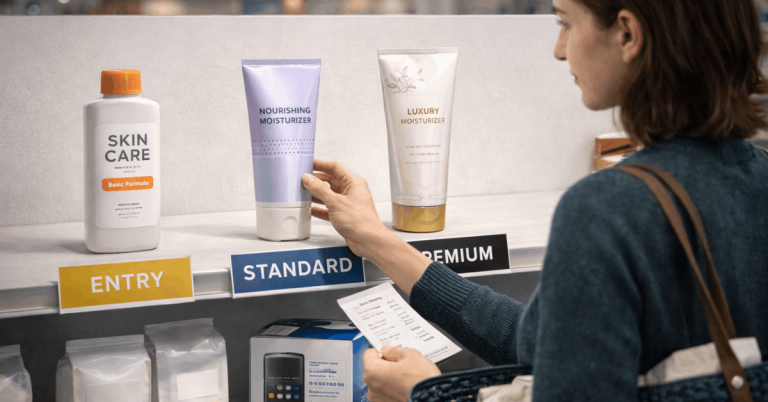
That skincare serum you ordered from Seoul arrived on time. The box looked perfect. But the formula inside separated into two layers, and the texture felt nothing like the reviews described.
Products aging in transit is a problem that leaves no fingerprints. The package passes every visual check while the contents quietly degrade from heat, humidity, and weeks of sitting in warehouses.
Cross-border shoppers lose money on items that technically “arrived” but stopped being usable somewhere between checkout and doorstep. And filing a claim for invisible damage? That gets complicated fast.
This guide breaks down which products carry the highest transit-aging risk, how to spot warning signs before ordering, and what to do when something shows up degraded.
Which Products Are Most Likely to Age During International Shipping
Not every product handles a 3-week journey through multiple climate zones the same way. The items that break down fastest tend to share one trait: they are sensitive to temperature swings, moisture, or extended storage even when sealed.
I would rank cosmetics and skincare as the single riskiest category for transit aging based on how often separation and texture changes appear in cross-border buyer complaints.

A moisturizer that sat in a hot cargo container for 10 days can turn grainy or watery permanently, and no amount of shaking fixes a broken emulsion.
Food, Snacks, and Anything With a Short Shelf Life
Heat and time are the enemies here. Chocolate melts and re-solidifies into a chalky mess. Gummies fuse into a single block.
Crackers and chips go stale when seal integrity drops during pressure changes at altitude or in humid storage.
The tricky part is that expiration dates on food assume proper storage conditions. A snack with 6 months of shelf life left can taste stale in 3 weeks if it spent time in a 40°C warehouse.
Supplements, Vitamins, and Powder-Based Products
Moisture and heat cause clumping and reduced stability in supplements. Capsules can soften or stick together. Powder-based products sometimes harden into chunks that won’t dissolve properly.
This matters because degraded supplements may lose potency without any visible sign on the label or packaging.
Batteries, Power Banks, and Small Electronics
Temperature stress during transit can reduce battery capacity before you even power the device on for the first time. A power bank that spent weeks cycling between hot days and cold nights in a shipping container may hold 70% of its rated charge right out of the box.
Ports and buttons can also corrode when humidity gets trapped inside sealed plastic packaging over long transit periods.
Adhesives, Soft Plastics, and Rubber Goods
Heat causes adhesives and tapes to cure prematurely or lose bond strength. Vinyl and rubber goods can warp, turn sticky, or become brittle.
Leather items pick up mold and mildew odors in damp conditions and sometimes develop surface staining that won’t come out.
These categories get overlooked because the damage often appears “cosmetic,” but a warped phone case or a weakened adhesive strip is a failed product.
How to Spot Transit Aging Risk Before Placing an Order
The best protection happens before checkout. A few minutes of review can separate a smooth delivery from a frustrating claim process.
Look at these signals when evaluating a listing for transit-sensitive items:
- Storage instructions on the product page: Phrases like “store in a cool, dry place,” “keep below 25°C,” or “refrigerate after opening” are red flags for long international shipments
- Seller review patterns: Search the reviews for words like “melted,” “leaked,” “separated,” “warped,” or “dead on arrival.” Three or more of those in recent reviews means the seller has a packing or routing problem
- Estimated delivery window: A 25-day delivery window for a skincare product is a gamble. Shorter windows mean less time exposed to damaging conditions
- Number of carrier handoffs: Orders that pass through 4 or 5 different carriers face more drops, more warehouse stays, and more temperature changes than a direct shipment
I think the most overlooked signal is the seller’s handling time listed on platforms like eBay, Amazon Global, or AliExpress. A seller with a 5-day handling time adds 5 days of unknown storage to your shipment before tracking even starts.
The Packaging Question No One Asks
Product listings rarely show inner packaging. But this is where transit aging starts or stops. A skincare product shipped in a padded mailer with no inner seal will handle a hot transit worse than one double-boxed with bubble wrap and a sealed bag.
Ask the seller directly: “Do you use inner seals, double boxing, or insulated packaging for this item?” One short message before ordering can save a long dispute after.
Also read: Quality Red Flags Buyers Often Miss
Shipping Choices That Reduce Product Aging
Picking the right shipping method matters more than picking the cheapest one, especially for temperature-sensitive or formula-based products.
I would argue against the popular advice to “always choose express shipping for fragile items.” My take: a tracked standard shipment with fewer carrier handoffs can outperform an express option that bounces through 5 sorting facilities in 3 days.
Every handoff is a chance for the package to sit on a hot loading dock or get tossed into an uncontrolled storage area. Fewer handoffs sometimes means gentler treatment, even if it takes an extra day or two.
Timing Your Order Around Weather
Ordering a chocolate gift set or a tube of retinol cream during a July heat wave is asking for trouble. Extreme weather windows multiply transit aging risk because cargo containers and delivery trucks offer zero climate control.
The sweet spots for ordering temperature-sensitive products internationally tend to fall in spring and autumn, when ambient temperatures stay moderate across most shipping corridors.
Requesting Better Packaging
A simple message to the seller before purchasing can make a real difference. Ask for extra padding, a sealed inner bag, and reinforced corners. Keep it to one clear sentence so the request is easy to follow.
For liquids and fragile goods, request upright packing and a leak barrier. Sellers who ship internationally on a regular basis usually have these materials on hand and will comply if asked.
| Shipping Factor | Lower Risk Choice | Higher Risk Choice |
|---|---|---|
| Transit time | Under 14 days | Over 21 days |
| Carrier handoffs | 1-2 transfers | 4+ transfers |
| Tracking | Full scan-by-scan tracking | Tracking only at origin and destination |
| Season | Spring or autumn shipping | Peak summer or deep winter |
| Packaging | Double-boxed, inner seal, padding | Single poly mailer, no inner protection |
The pattern is clear: fewer days, fewer hands touching the package, and better inner packaging all reduce degradation risk.
Delivery Day Inspection Routine for International Orders
A quick inspection habit on delivery day protects your claim options if something went wrong during transit. Skip this step, and platforms like Amazon’s A-to-Z Guarantee or PayPal’s Buyer Protection may push back on incomplete evidence.
Photograph and Record Everything Before Opening
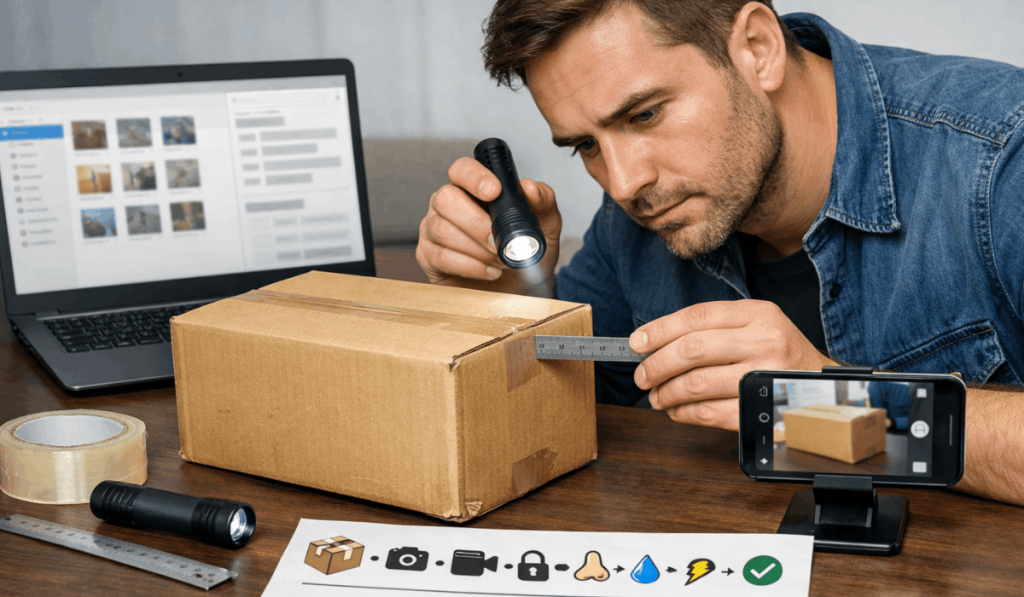
Start with the outer box. Capture all six sides, the shipping label, and any visible crush marks, wet spots, or re-taped seams.
Then record a single continuous video of the unboxing: show the packaging layers, inner seals, and the product itself as you first see it.
This takes about 90 seconds and creates a timeline of evidence that’s hard to dispute.
Check for the Invisible Signs of Aging
The obvious stuff is easy: melting, leaking, broken seals. But transit aging leaves subtler marks too.
Look for these on arrival:
- Separation in liquids or creams (a watery layer sitting on top)
- Unusual odor that doesn’t match product descriptions or reviews
- Corrosion or moisture residue inside electronics packaging
- Softened capsules, clumped powders, or sticky tablets in supplement bottles
- Warped shapes on vinyl, rubber, or soft plastic items
If any of those appear, stop using the product immediately. Keep it in the condition it arrived in so your evidence stays consistent for a claim.
Filing a Claim That Gets Results
The best claim messages follow a 3-to-5 sentence format: what arrived, what’s wrong with it, when the problem was noticed, and what resolution the buyer wants.
Attach photos of the box, inner packaging, the defect, and a screenshot of the order’s promised delivery window alongside the actual tracking timeline.
Keep all packaging until the dispute closes. Boxes, inserts, seals, and labels often help confirm handling conditions during the seller’s review.
If the first response from the platform stalls or offers a partial refund that doesn’t match the damage, resend the same evidence set and restate the request. Persistence with organized proof moves disputes faster than emotional paragraphs.
Questions People Ask About Products Aging in Transit
Q: Can products age in transit even if the package arrives on time and undamaged?
Absolutely. Transit aging is invisible. Heat inside a cargo container can break down a skincare formula or reduce battery capacity while the outer box stays in perfect condition. The product degrades, not the packaging.
Q: Does express shipping always prevent product aging during international delivery?
Not necessarily. Express shipments that pass through multiple sorting hubs can expose items to more temperature swings than a slower shipment with fewer handoffs. The number of transfers matters as much as speed.
Q: What products should I avoid ordering internationally during summer months?
Anything with a formula that separates in heat: skincare, chocolate, supplements, adhesives, and items with lithium batteries. Spring and autumn are safer windows for these categories.
Q: How do I prove transit aging when filing a claim with a seller or platform?
Photograph the box from all angles before opening, record a continuous unboxing video, and capture close-ups of the specific defect. Save your order page screenshot and tracking timeline. That evidence set covers what platforms typically require.
Q: Are vacuum-sealed or shrink-wrapped products safer for international shipping?
They handle humidity and moisture exposure better than unsealed alternatives. But vacuum sealing does nothing against heat or cold damage, so the contents still matter. A shrink-wrapped chocolate bar will still melt in a hot container.
Conclusion
Knowing which products carry transit-aging risk can save real money on international orders. Smart shipping choices and a 90-second inspection routine on delivery day catch problems early.
The evidence habit protects refund options when invisible damage slips past the outer packaging. Start checking seller handling times and review patterns before your next cross-border purchase.