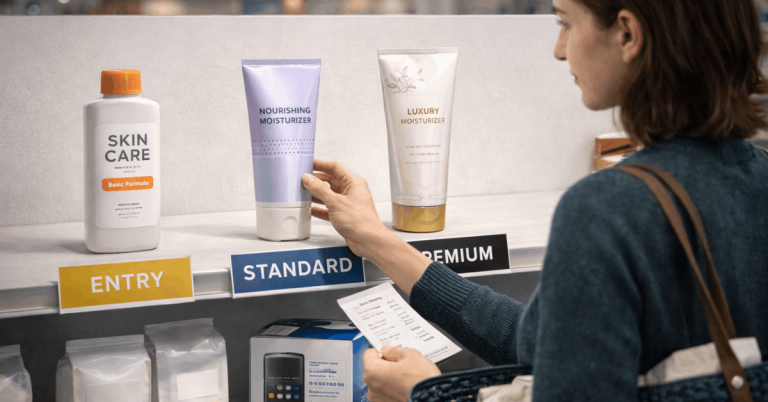
A grade is a label that makes a buying decision easier. Marketplace grades may describe condition, composition, safety, or seller performance, depending on the category and the organization that created the label.
That makes them useful for comparing similar listings, but only when buyers understand what has actually been checked.
This guide explains how to read grades without assuming that a higher letter always means a better purchase.
Why A Grade Helps—And Where It Can Mislead
A clear grade gives buyers a faster way to sort similar products when listings use inconsistent photos or descriptions.
It can create common expectations around quality, yet the label is only as reliable as the rules and evidence behind it.
A Grade Condenses A Specific Inspection
A grade usually summarizes a defined review, such as cosmetic wear on a used phone, marbling in meat, or sugar content in a beverage.
It saves time because buyers need not study every technical detail before narrowing options.
Still, the label cannot replace the product description, photos, or warranty because a grade may not cover every part of the item. Treat it as a starting point for comparison, not final proof of product value.
Also Read: Product Quality vs Brand Reputation
The Same Letter Can Mean Different Things
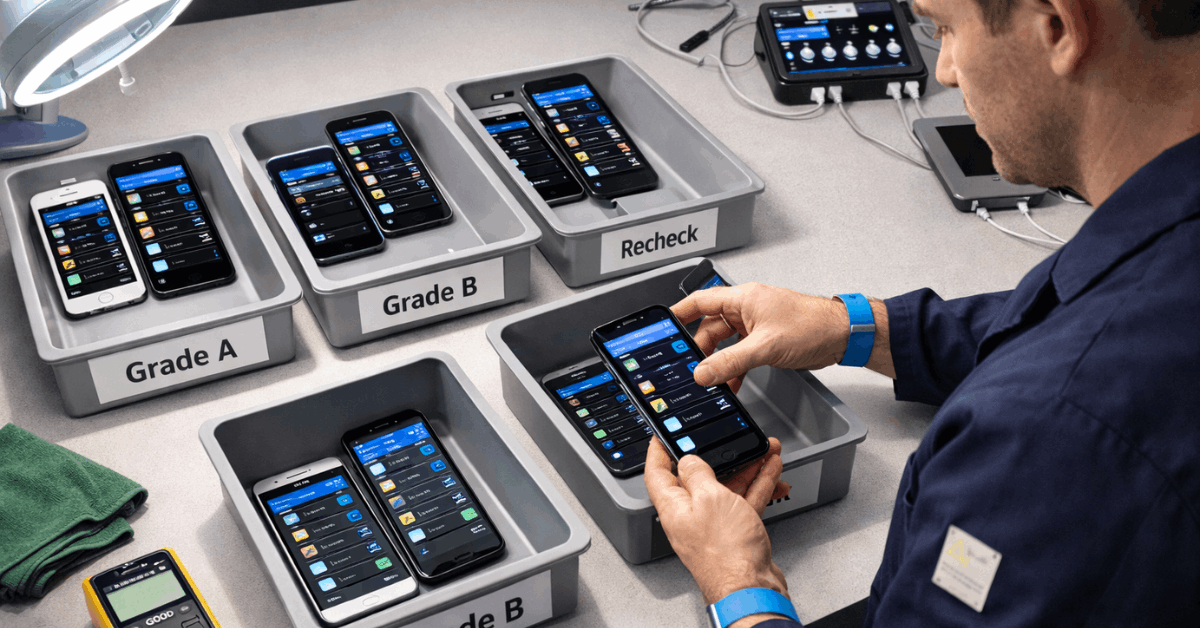
Grade A on a refurbished laptop may refer mainly to external condition, while Grade A on a food label can reflect a completely different set of standards.
A seller’s internal grading chart may also be less strict than a national program or an independent certifier.
Before paying more for a higher tier, identify who created the system and which defects, measurements, or tests it includes.
This protects buyers from false comparisons and vague marketing language that borrows the authority of official-looking labels.
Where Grading Appears In Everyday Shopping?
Grades appear most often when a product has visible variation, measurable ingredients, or a history of use.
Knowing the category context helps a buyer ask questions rather than applying the same expectation to every item.
Refurbished Electronics Need Condition Details
Used phones, tablets, and laptops are commonly sorted by cosmetic condition after functional testing.
A Grade A device may have only light signs of use, but the exact meaning can differ for scratches, screen marks, battery capacity, replacement parts, and accessories.
Read the seller’s criteria and review photos of the exact model, especially around the screen, ports, hinges, and camera lens.
A grade is more helpful when it sits beside a battery policy and a clear warranty instead of replacing them.
Food Labels Explain Only Part Of The Product
Food grades can describe quality traits, while nutrition labels can help shoppers compare a limited part of a product’s composition.
For example, USDA quality grade standards explain official quality grading for certain meat products, while Singapore’s Nutri-Grade requirements relate to beverage labelling.
Neither type of label tells every buyer everything they may care about, such as allergens, ingredients, portion size, or personal dietary needs.
Use these official standards as useful context, then read the full label before deciding which option best fits.
Check What The Grade Actually Covers
A grade becomes more useful when its scope is stated plainly beside the product. Buyers should compare measured criteria and after-sale terms, not just letters printed near a price.
Read The Definition Before Comparing Prices
Open the condition guide, product specification, or certification explanation before treating two listings as equal.
Look for the threshold between tiers: battery health, surface wear, sugar level, material composition, testing method, or another stated measure.
If a store calls something “premium grade” without a table or evidence, the price difference may rest on wording rather than a meaningful improvement.
This step turns a quick label into a verifiable claim and makes side-by-side shopping accurate.
Match The Grade To The Risk Of The Purchase
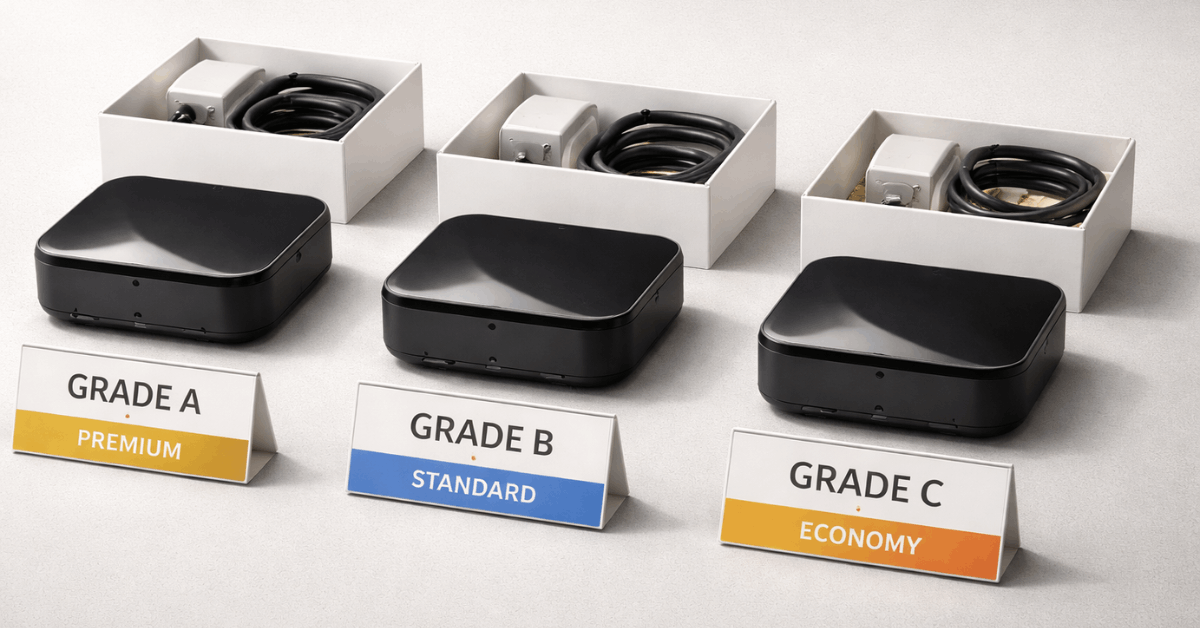
A grade matters more when the item is costly, safety-related, difficult to return, or needed for work.
A low-priced cable may not require deep research, but a refurbished computer, collectible item, or product for a child deserves closer evidence.
Before checkout, use this buyer check to compare the real downside. These three checks reveal whether the grade reduces risk or simply makes the listing look stronger:
- Scope: What did the grade measure?
- Proof: Is there a photo, test record, or certificate?
- Protection: What warranty or return option applies?
Watch For Gaps Between The Label And The Listing
The strongest warning signs appear when a confident label is paired with thin evidence or unclear promises. A buyer should treat missing details and conflicting information as reasons to pause, even when the price looks attractive.
Vague Grades Can Hide Important Limits
Avoid listings that use terms such as “top grade,” “factory grade,” or “like new” without defining them.
Blurry photos, stock images, missing model numbers, and copied descriptions make it harder to confirm whether the grade applies to the exact item being sold.
Ask the seller for photos or clarification through the marketplace message system, then save the response if you continue.
A trustworthy offer connects grade language to specific evidence, not a broad claim that changes after delivery.
Seller Reliability Still Shapes The Outcome
A grade cannot guarantee careful packing, accurate dispatch, or helpful support when something arrives wrong.
Check recent reviews for patterns involving damaged parcels, incorrect variants, weak communication, or refusal to honor stated returns.
A marketplace badge may be useful, but it should support—not replace—current buyer feedback and clear policy terms. Combining seller history with grading details gives a more realistic view of what the buyer may receive.
Conclusion: Use Grades As Evidence, Not Shortcuts
Grades can make crowded marketplaces easier to navigate when they are backed by clear definitions and relevant proof.
Check what the label measures, who sets the threshold, and whether the warranty, photos, and seller record support the claim.
Do not assume that a higher letter covers every risk, especially for refurbished, regulated, or expensive products. A careful comparison turns a simple label into a more informed purchase.