When buying from sellers overseas, you want to know if your money, personal data, and delivery are protected.
This guide explains whether eBay is safe for international purchases by looking at buyer protection, payments, shipping, and common risks.
You will learn about the safeguards in place and the practical steps to help you shop across borders with more confidence.
How eBay Handles International Purchases
International transactions involve multiple steps that affect safety, cost, and delivery time.
eBay structures these steps to support cross-border buying and reduce uncertainty.
- Global Listings – Products from sellers worldwide are displayed with clear item locations and seller details.
- Shipping Methods – Orders may ship directly from the seller or through managed international shipping services.
- Payment Processing – Payments go through a centralized system that adds an extra layer of transaction control.
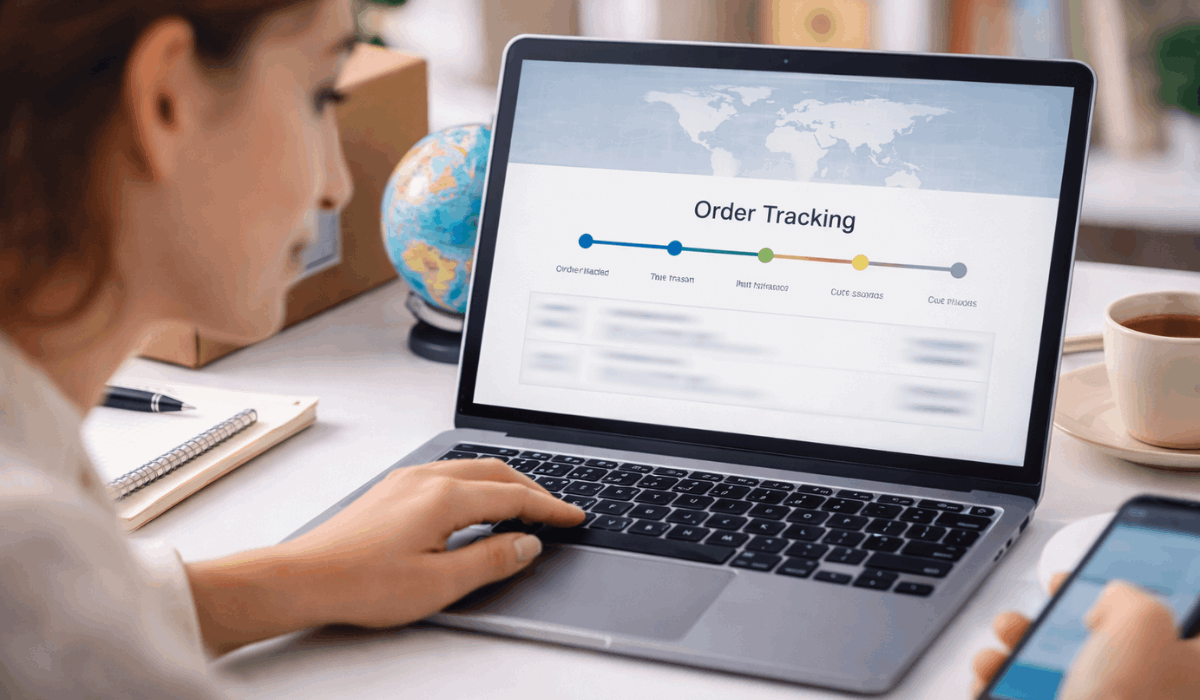
- Order Tracking – Tracking details are provided when available to follow the delivery progress across countries.
Buyer Protection for International Orders
International orders carry added risks due to distance, customs, and different seller standards.
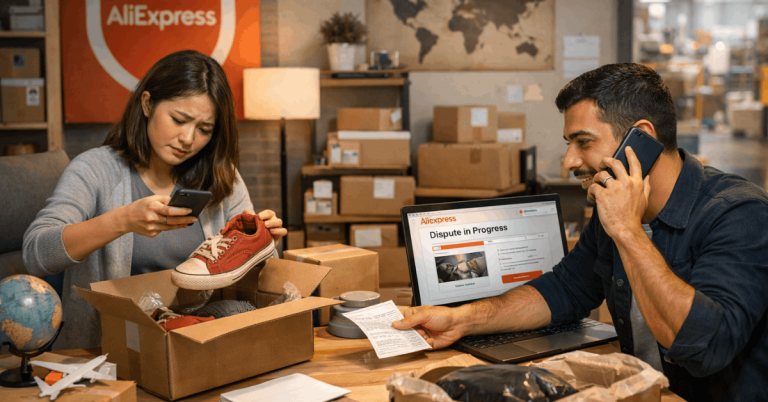
eBay applies buyer protection measures to help resolve problems when an international transaction does not go as expected.
- Money Back Guarantee – Eligible orders are protected if an item does not arrive or is significantly different from the listing.
- Claim Timeframes – Claims must be opened within specific deadlines to remain covered.
- Dispute Handling – Issues are reviewed through a structured case system that assesses seller and buyer evidence.
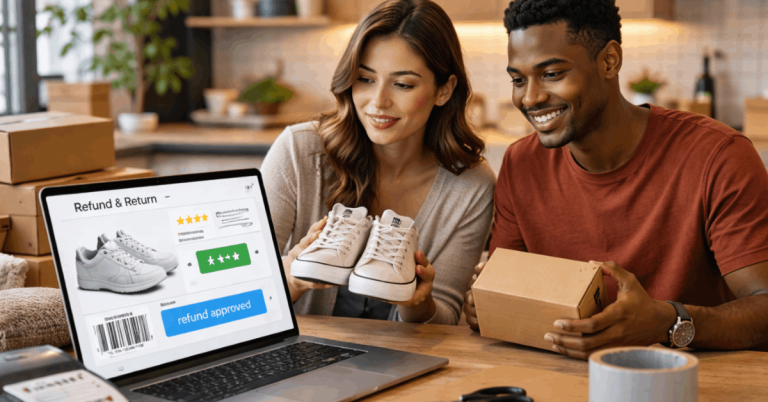
- Refund Method – Approved refunds are returned through the original payment channel used at checkout.
Payment Safety and Currency Handling
Payments and currency exchange become more complex when purchases cross borders.
The platform uses managed payment systems to reduce fraud exposure and handle different currencies during checkout.
- Secure Payment Processing – Transactions are handled through a centralized system that protects financial details.
- Accepted Payment Methods – Credit cards, debit cards, and selected digital wallets are commonly supported for international purchases.
- Currency Conversion – Item prices are converted automatically to the local currency at the time of payment.
- Conversion Fees – Exchange rates and additional fees may apply based on the payment method and issuing bank.
Common Risks When Buying Internationally
International purchases involve factors that are not always present in domestic orders.
These risks usually relate to shipping, product accuracy, and added costs beyond the listed price.
- Shipping Delays – Longer transit times, customs inspections, or carrier issues can slow delivery.
- Customs Fees and Taxes – Import duties or local taxes may apply and are not always included in the checkout price.
- Item Condition Issues – Products may arrive damaged, incomplete, or not as described.
- Counterfeit Goods – Certain categories, such as branded items and electronics, carry a higher imitation risk.
How to Evaluate International Sellers
Seller evaluation becomes more important when buying from another country.
Careful review of seller details helps reduce the chance of delays, disputes, or poor-quality items.
- Feedback Score – Overall rating shows how previous buyers rated their transactions.
- Recent Reviews – Latest feedback gives a clearer picture of current selling practices.
- Sales History – A long record of completed sales suggests consistent activity.
- Return Policy – Clear return terms indicate how issues are handled after delivery.
Product Categories That Are Safer to Buy Internationally
Some products carry fewer risks when shipped across borders due to standardization and lower value.
These categories tend to face fewer issues with customs, returns, and authenticity.
- Accessories and Small Items – Lightweight, non-fragile products are less likely to be damaged in transit.
- Replacement Parts – Standardized parts with clear specifications reduce the risk of mismatch.
- Books and Media – Printed materials usually clear customs easily and match listings accurately.
- Unbranded Goods – Items without major brand claims pose a lower risk of counterfeiting.
Shipping Costs, Taxes, and Final Price Transparency
The total cost of an international order often goes beyond the listed item price. Shipping fees, import taxes, and handling charges affect the final amount paid.
- Shipping Fees – International delivery costs vary based on distance, carrier, and package size.
- Import Taxes and Duties – Customs authorities may apply taxes or duties upon arrival in the destination country.
- Estimated Delivery Costs – Some listings provide upfront cost estimates to improve price clarity.
- Unexpected Charges – Fees not shown at checkout can appear during customs clearance or delivery.
Handling Returns and Refunds for International Orders
Returns become more complicated when shipping crosses borders and involves higher costs. Clear policies and timelines help reduce disputes and delays.
- Return Shipping Responsibility – Some sellers require buyers to cover international return shipping.
- Return Time Limits – Deadlines may be stricter due to longer transit times.
- Refund Conditions – Refunds often depend on item condition and tracking confirmation.
- Restocking Fees – Some sellers charge restocking fees on returned items.
- Return Address Location – Items may need to be sent back to the seller’s country of origin.
Delivery Timeframes and Tracking Reliability
International delivery timelines vary based on distance, carriers, and customs processing. Tracking reliability affects how quickly problems can be identified.
- Estimated Delivery Windows – Delivery estimates are broader for cross-border shipments.
- Tracking Updates – Tracking may pause during customs inspections.
- Carrier Handoffs – Packages often change carriers between countries.
- Customs Processing Delays – Clearance times vary by country and product type.
- Lost Package Resolution – Claims may take longer when multiple carriers are involved.
Communication Expectations With Overseas Sellers
Clear communication reduces misunderstandings in international transactions. Seller responsiveness often reflects the quality of post-sale support.
- Language Differences – Simple and direct messages help avoid confusion.
- Response Time – Slow replies can delay issue resolution.
- Pre-Purchase Questions – Asking about shipping and returns sets expectations early.
- Time Zone Gaps – Replies may take longer due to time differences.
- Written Records – Keeping all communication on eBay supports dispute resolution.
Tips to Stay Safe When Buying Internationally
Careful preparation reduces most problems linked to cross-border purchases.
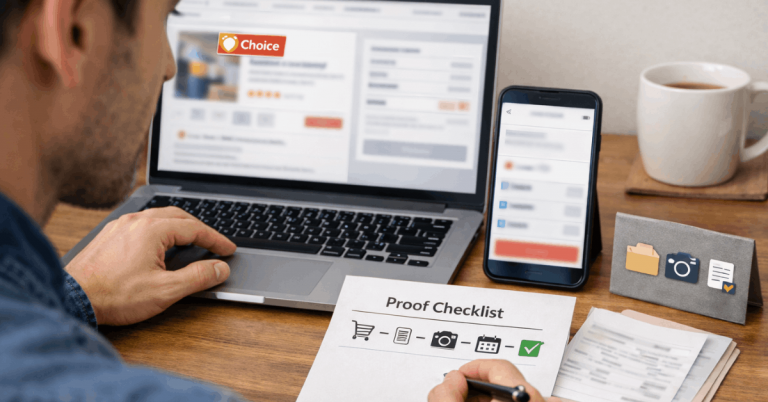
Simple checks before and after checkout help limit delays, disputes, and unexpected costs.
- Check Seller History – Review feedback, recent activity, and completed sales before purchasing.
- Read Full Listings – Confirm item condition, specifications, and shipping terms in the description.
- Use Tracked Shipping – Tracking adds visibility and supports claims if delivery issues occur.
- Confirm Total Costs – Review shipping fees, taxes, and duties to avoid price surprises.
- Keep Platform Communication – Messages and agreements should remain within the marketplace system for record-keeping.
When International Purchases Make Sense
Buying from another country can be practical in specific situations. The decision usually depends on availability, pricing, and the level of risk involved.
- Limited Local Availability – Certain items are not available or are hard to find in the local market.
- Price Advantages – Lower base prices or favorable exchange rates can offset shipping costs.
- Specialized or Niche Products – Some categories are produced or sourced primarily in specific regions.
- Collectibles and Rare Items – Older, discontinued, or unique products may only be available internationally.
Conclusion – Is eBay Safe for International Purchases?
International purchases on eBay can be safe when buyer protections, seller credibility, and total costs are reviewed carefully.
Most risks come from skipped details rather than the platform itself, especially with shipping terms and seller history.
Before placing an international order, compare listings, verify seller feedback, and confirm all fees to make a more confident buying decision.