Buying from an overseas marketplace can save money or uncover an item unavailable nearby. It can also leave you with the wrong model, an expensive return, or a parcel that arrives too late to help.
The safer method is to look for proof in the listing, context in reviews, and delivery terms that still make sense once the low price stops feeling exciting.
Start With the Exact Item, Not Marketing Copy
A listing only helps when it clearly identifies what will be sent. Product titles are often shortened, translated poorly, or written to attract searches, so check the variant before trusting any claim in the headline.

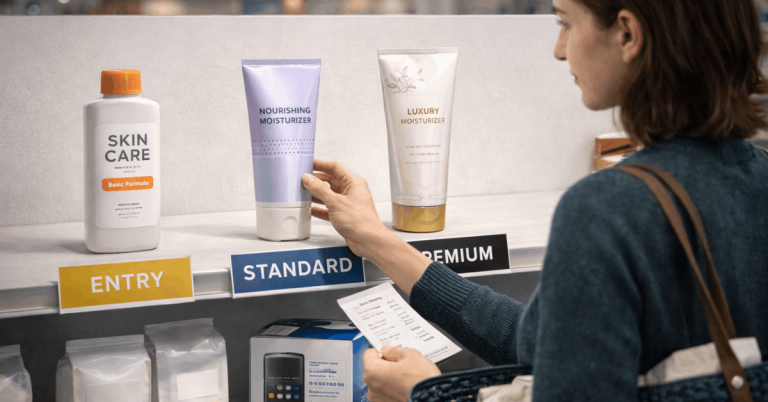
Match the Variant Before Comparing Prices
A lower price may belong to a smaller size, older model, refill, or bundle without the accessory you expected.
Confirm the selected color, capacity, model code, plug type, and box contents before comparing it with another listing. This prevents a false bargain from being mistaken for the same item at a better price.
Look for Numbers That Answer Practical Questions
Useful descriptions give details you can test against your needs: dimensions for a shelf, battery capacity for a device, fabric composition for clothing, or supported formats for electronics.
Labels such as “professional” and “premium” do not say whether something will fit, last, or work with your equipment. When a key detail is absent, treat it as risk, not as permission to assume the best outcome.
Use Photos to Inspect What the Description Skips
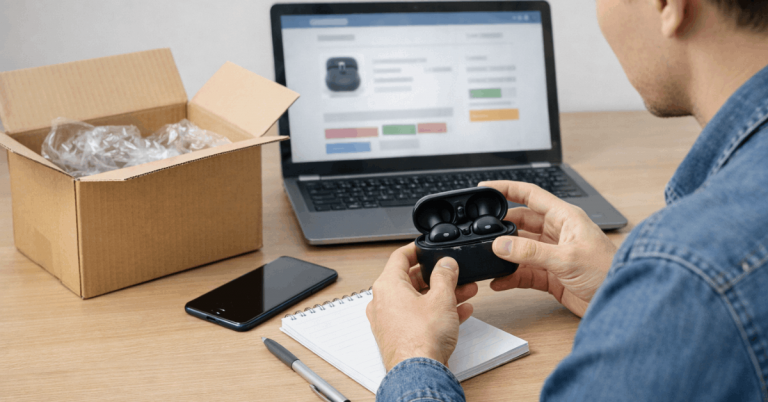
Photos cannot replace handling an item, but they can show whether a seller has documented it carefully or only used promotional images. Examine labels, packaging, close shots, and photos with a hand for scale; they offer small clues about quality.
Read Product Images Like Inspection Photos
Zoom in on seams, edges, ports, fasteners, printed labels, and joins between materials.
For clothes or bags, look for even stitching and believable texture; for electronics, confirm that ports, controls, and markings match the stated specifications.
Sharp close photographs offer evidence, while a gallery of glossy renders with no detail shots creates doubt about what will actually arrive.
Remember That Packaging Affects the Outcome
A well made item can still arrive damaged after a long journey without enough protection. Images or buyer photos that show fitted boxes, foam, seals, or reinforced corners matter for fragile goods, collectibles, and electronics.
Packaging does not guarantee safe delivery, but it gives a reasonable clue about the seller’s care and the parcel’s risk.
Also Read: Expected Quality vs Actual Quality in Marketplaces
Treat Reviews as Evidence, Not a Vote Count
A high rating is a starting point, not a decision. Read several recent reviews for details and patterns, especially comments that name the version, length of use, and arrival condition.
Prioritize Buyers With a Similar Use Case
A compact fan may satisfy someone in a mild room but disappoint a buyer trying to cool a large, humid space. Search for people who bought the same size, model, or bundle and used it in a situation close to yours.
Their feedback is more useful than broad praise because it measures performance against your own needs.
Notice When the Review Pattern Feels Thin
Short comments that repeat the same wording, sudden bursts of perfect ratings, or praise with no product detail are weak evidence.
One negative review does not make a listing unsafe, but repeated reports of missing parts, poor fit, or misleading photos deserve attention. Focus on the pattern over time, not one dramatic opinion.
Check the Seller Before Letting Price Decide
The manufacturer and seller both shape the purchase. A known brand can be offered by an unreliable shop, while an unfamiliar one may be acceptable when listings, feedback, and identity are consistent and support is clear.
Look for Consistency Across the Listing
Model names, measurements, logos, and included parts should not change from one page section to another. If photographs show one brand but the specification table names another, pause and look for an explanation.
Mixed details can signal a reused listing, an unannounced substitution, or poor control, all of which increase the chance of receiving the wrong item.
Treat Delivery Claims as Part of the Price
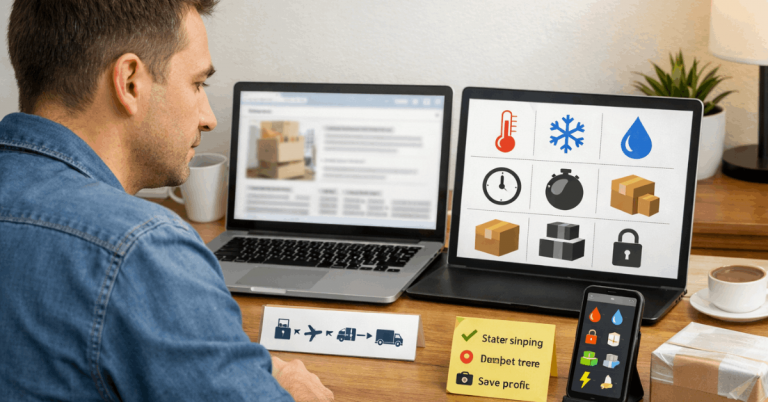
A low item price means little when shipping is slow, tracking disappears, or import fees change the total. Check the estimated arrival range, shipping method, tracking availability, and notes that apply to your country.
For a gift, replacement part, or travel item, dependable timing can matter more than a small saving because a late parcel may become useless.
Read Return Terms Before You Need Them
International orders are harder to fix after the package arrives.
Check the marketplace’s policy and the seller’s conditions before payment, including return costs, refund method, and the inspection deadline.
Check Whether a Return Is Realistically Possible
Do not stop at the words “returns accepted.” Find the number of days allowed, who pays postage, whether original packaging is required, and what condition the item must be in.
A policy can look generous until you learn that a buyer must send a bulky product overseas. Those limits show whether the item is worth the cost and the effort of a dispute.
Save Proof Before Clicking Buy
Take screenshots of the listing, selected variant, delivery estimate, and return terms while they are visible. When the package arrives, photograph the outer box before opening it, especially if it is wet, crushed, or resealed.
These simple records can support a claim when an item is damaged, incomplete, or misrepresented.
Run a Brief Check Before Checkout
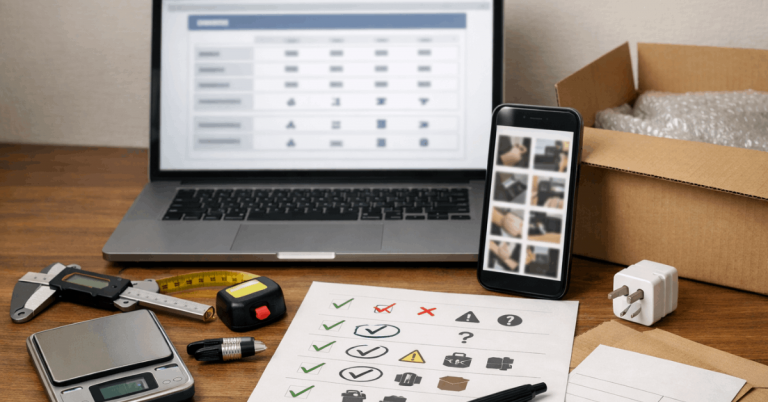
You do not need a complicated scoring system for every small purchase. Use this screen after reviewing the listing, seller, reviews, and terms.
- The selected variant, size, and plug type match your needs.
- The listing includes measurable specifications and clear close photos.
- Recent reviews describe real use and delivery condition.
- The seller’s shipping timeline and return policy seem realistic.
- You can accept the full cost, including possible fees and return risk.
Choose Local When the Consequences Are Bigger
Buying internationally is not always the smarter choice, even when the displayed price is lower.
Local retailers may offer easier returns, faster replacement, and clearer consumer protection, which can matter more than a modest discount for urgent or costly purchases.
When authenticity is critical, timing matters, or a return would be difficult, paying more locally may protect your budget and your time. The goal is not to find a flawless listing; it is to decide whether the remaining risk is acceptable before you place the order, and whether you could afford the consequences if a problem arises.