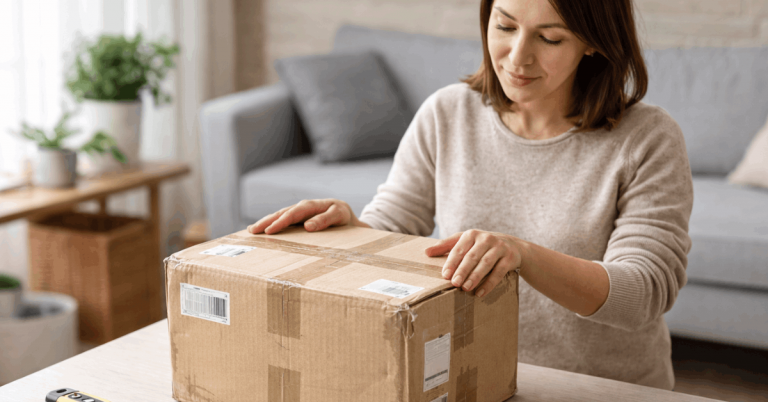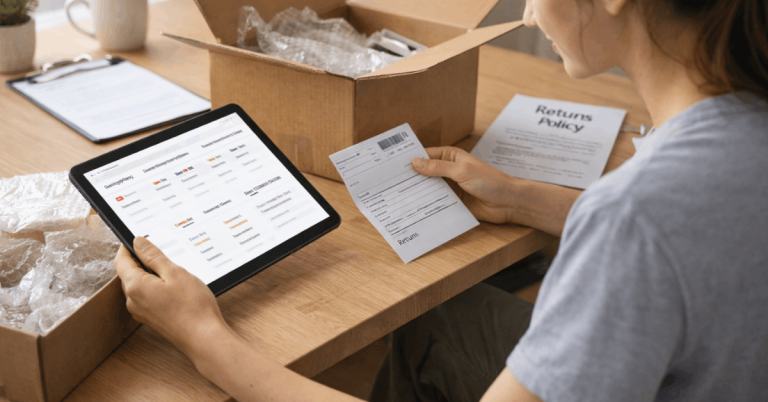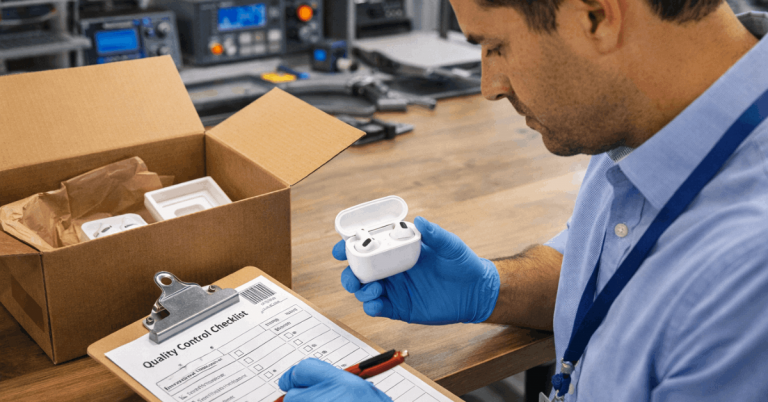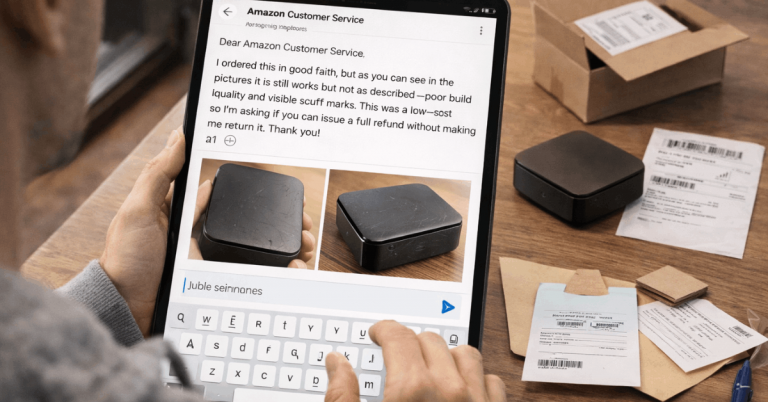
How Packaging Affects Product Condition comes down to one thing: protection during long, rough shipping chains on international marketplaces.
A seller’s packing choices decide how well an item resists drops, pressure, moisture, and missing parts.
This guide shows what to look for before you buy and what to do if poor packaging affects your purchase.
Why Packaging Matters More in International Orders
International orders involve more handling, longer transit times, and more transfer points than local deliveries.
That makes packaging quality a key factor in whether your item arrives in good condition. Here’s why it matters more when you buy cross-border.
- More handling points increase drops, tosses, and compression risk.
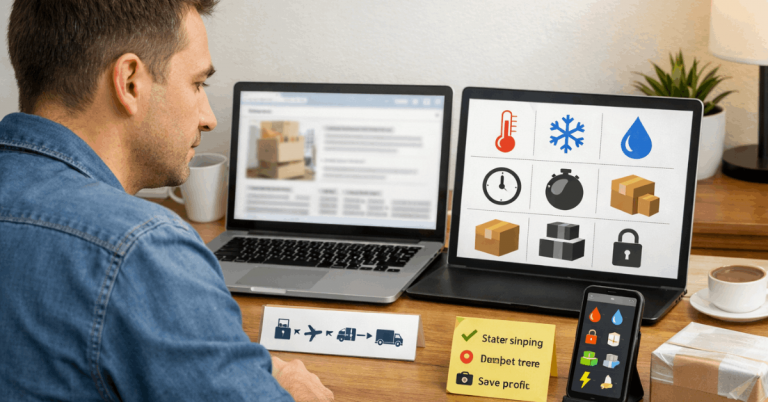
- A longer transit time increases exposure to heat, humidity, and rough handling.
- Multiple carrier transfers increase the risk of impact and sorting damage.
- Heavier stacking in hubs can crush weak boxes and bend retail packaging.
- Customs inspections may open packages and reduce protection if repacked poorly.
- Last-mile delivery variability can add extra bumps, delays, and weather exposure.
Common Types of Packaging and What They Usually Protect
The packaging type tells you what the seller is trying to protect and which risks remain exposed.
In international shipping, the wrong packaging can turn a good item into a damaged delivery.
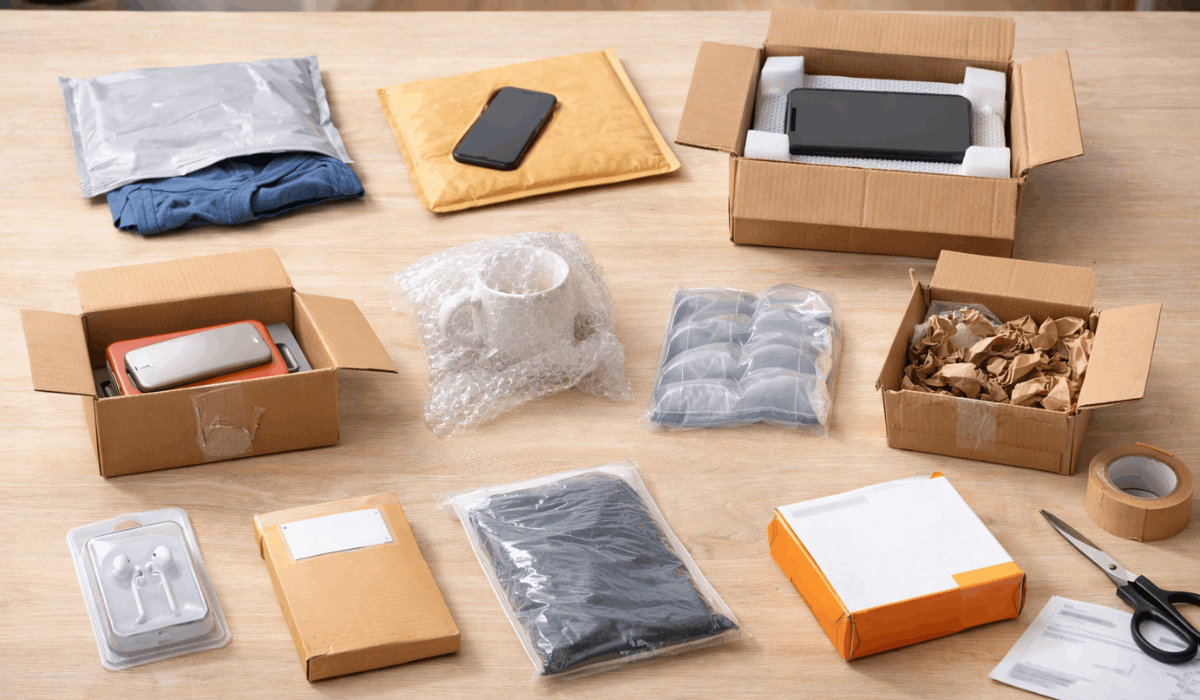
These are the most common packaging types and what they usually protect.
- Poly mailer (thin plastic bag) — Protects light, soft goods from dust and minor moisture, but not crushing or sharp impacts.
- Padded mailer — Adds basic cushioning for small items, but still weak against heavy stacking and corner pressure.
- Single-wall cardboard box — Protects shape better than bags and helps with moderate impacts, but can crush if thin or oversized.
- Double-wall or reinforced box — Better for fragile and heavier items, with stronger resistance to compression in transit.
- Bubble wrap/foam wrap — Protects against scuffs and shocks when wrapped tightly, but fails if the item still moves in the box.
- Air pillows/paper fill — Reduces movement and absorbs minor impacts, but needs enough volume to prevent shifting.
- Plastic clamshell/blister pack — Protects small items from bending and pressure, but can crack if squeezed hard.
- Retail box only (no outer box) — Protects branding more than shipping impact, and often arrives dented or torn.
- Vacuum-sealed bag — Protects clothing from moisture and bulk, but offers little protection from crushing.
- Waterproof outer wrap — Helps against rain and humidity, but does not prevent impact damage by itself.
The Most Common Packaging-Related Damage You’ll See
Packaging problems tend to show up in predictable ways once an order goes through extensive international handling.
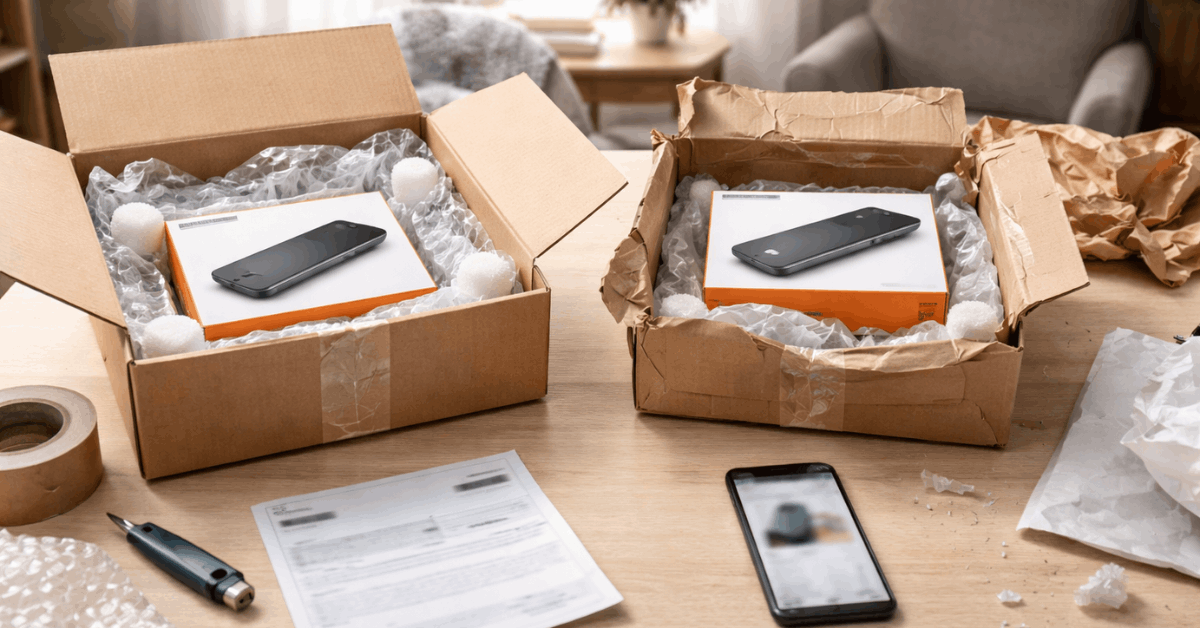
Most damage occurs when the item moves within the package, or the outer layer can’t withstand pressure and impact.
These are the most common issues you’ll see on delivery.
- Crushed boxes and dented corners — Weak cartons collapse under stacking and rough handling.
- Broken parts from impact — Fragile pieces crack when there’s not enough cushioning or space control.
- Scratches and scuffs — Items rub against the box, accessories, or each other when not secured.
- Bent or warped items — Flat or thin products deform when shipped without rigid support.
- Moisture damage — Paper goods, fabric, and labels absorb humidity when there’s no waterproof layer.
- Leaking products — Liquids spill when caps aren’t sealed, and there’s no secondary bagging.
- Missing small parts — Screws, cables, or extras get lost when not bagged and taped down.
- Seal and tamper issues — Opened or poorly resealed packages increase loss and contamination risk.
Seller Packaging Practices That Signal Reliability
Seller packaging habits signal reliability. Good sellers prevent movement, impact, and moisture. Use these signs before buying fragile or high-value items.
- Right-size packaging — You see boxes that fit the item closely, not oversized cartons that let items slide.
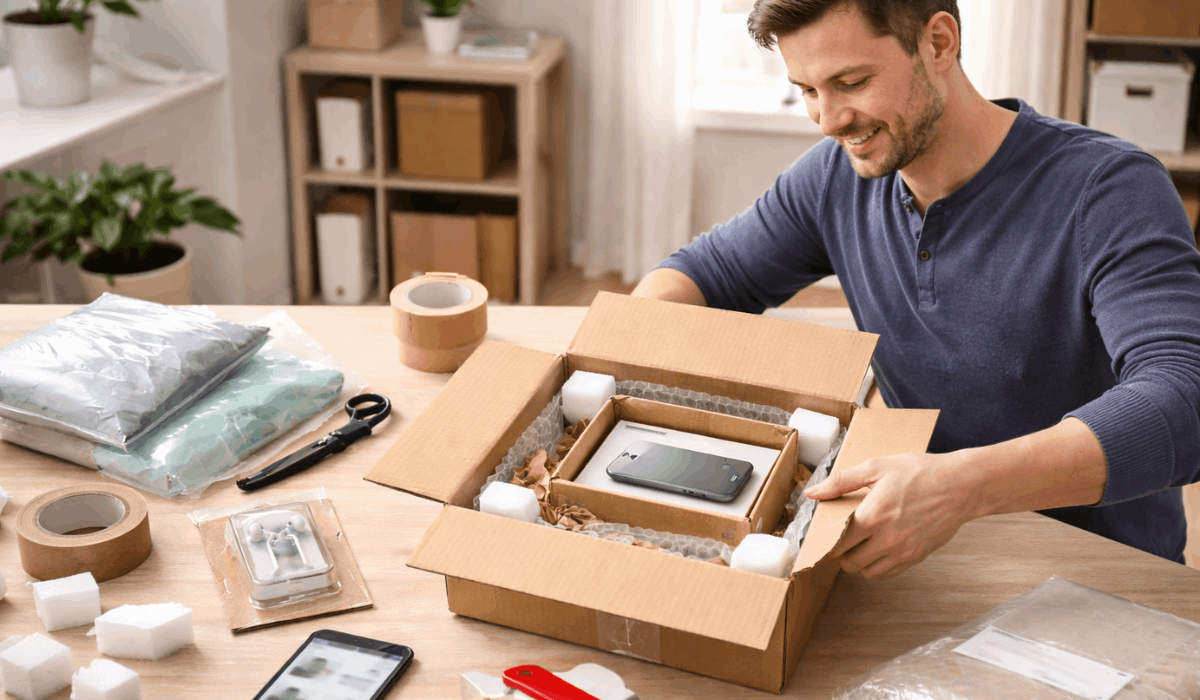
- Movement control inside the box — Items are locked in place with fillers, dividers, or tight wrapping to stop shifting.
- Layered protection — Fragile items get multiple layers, like inner wrap plus outer padding, not a single thin layer.
- Reinforced corners and edges — Corners are protected because sellers know corners take the first hit in transit.
- Double-boxing for fragile goods — There’s an outer box protecting an inner box for glass, electronics, and collectibles.
- Separate packing for accessories — Small parts are bagged and secured to prevent them from scratching the main item or going missing.
- Proper sealing and taping — Strong tape coverage on seams reduces opening, moisture entry, and loss during transfers.
- Basic moisture protection — Plastic liner, bagging, or shrink wrap is used when moisture could ruin the item.
- Clean packing and fewer “loose items” — Packaging looks organized, not rushed, which often matches better fulfillment habits.
- Consistent review patterns — Multiple buyers mention “packed well” and show photos with the same level of protection.
How to Check Packaging Quality Before You Buy
You can’t control packing, but you can spot risks before paying. Use buyer proof and repeat patterns to reduce packaging issues.
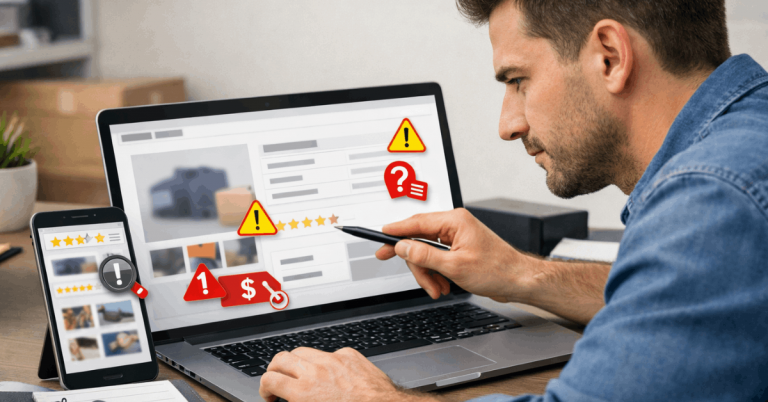
- Packaging keywords — Track repeated words like crushed, loose, or poorly packed in reviews.
- Photo proof — Use images to judge box strength, padding amount, and item stability.
- Recent reviews — Prioritize newer feedback because packing materials and teams can change.
- Fragile-item patterns — Check how the seller packs similar breakable products across multiple listings.
- Seller comparison — Pick the seller with the most consistent “packed well” reports for the same item.
- Movement clues — Watch for empty space, no fillers, or items touching the box walls in photos.
- Moisture warnings — Look for damp boxes, stains, or ruined manuals and labels in complaints.
What to Do When Packaging Causes Damage
When packaging causes damage, your best chance of a fast refund or replacement is clear proof and quick action.
Document the delivery condition before you throw anything away or try to “fix” the item. Follow these steps in order.
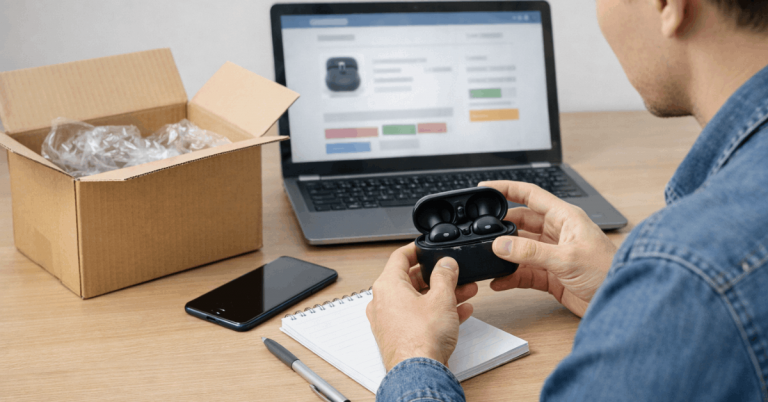
- Inspect first — Pause and check the item and packaging before using anything.
- Outer photos — Photograph dents, tears, holes, or wet spots on the package.
- Inner packing photos — Show padding level, empty space, and how the item was secured.
- Damage photos — Take close-ups plus one full-item shot for context.
- Keep packaging — Save fillers, wraps, inserts, and labels until the case closes.
- Deadlines — Check return, refund, and dispute time limits on the order page.
- Escalate with proof — Message the seller with facts and photos, then open a platform dispute if needed.
Packaging Tips to Reduce Risk on Your Next Order
Choose reliable sellers, split orders, and set clear packing requests before checkout.
Small steps reduce crushing, impact, and moisture damage in international shipping.
- Match packaging to product type — Fragile items should ship in boxes and padding, not in thin bags.
- Choose sellers with packaging proof — Prioritize listings where photo reviews show strong boxes and real cushioning.
- Separate heavy and fragile items — Split orders so heavy products don’t crush delicate ones in the same package.
- Send one clear packaging request — Ask for a box, extra padding, and secured accessories when needed.
- Pick a safer shipping option for breakables — Tracked or premium methods can reduce the risk of long storage and rough handling.
- Start with a small test order — Check the seller’s packing quality before buying higher value or multiple units.
- Avoid peak sale periods for fragile buys — High-volume weeks can lead to rushed packing and weaker protection.
The Bottomline
Packaging often decides whether your product condition matches the listing or arrives damaged after international shipping.
Use reviews, photo proof, and seller checks to spot reliable packing before you place an order.
Apply the tips in this guide on your next checkout and choose sellers who consistently protect what they ship.