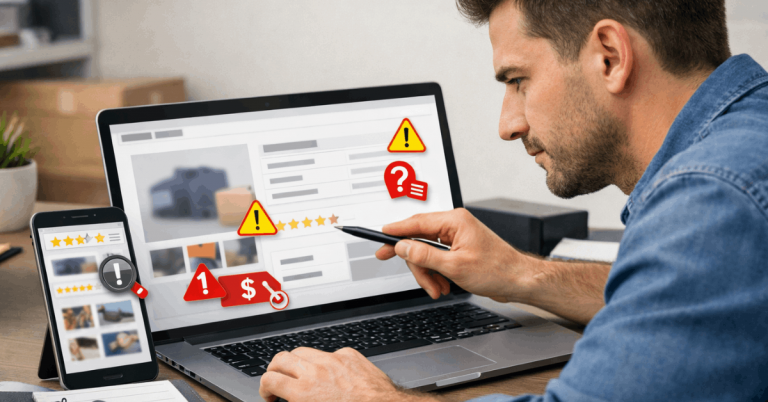
Some products age poorly in transit because international shipping exposes items to heat, cold, humidity, long storage, and repeated handling.
Those conditions can quietly alter texture, fit, performance, or shelf life, even when the package arrives on time and appears intact.
This guide shows you how to spot high-risk items before you buy, choose safer shipping options, and document condition fast if quality drops on arrival.
What “Aging in Transit” Means for Product Quality
“Aging in transit” means a product loses quality during shipping and storage, even if it is not visibly damaged.
You may see changes in texture, fit, performance, or shelf life caused by temperature swings, humidity, time, and handling.
The Main Causes of In-Transit Aging
In-transit aging usually results from a few predictable conditions that develop during international shipping.
If you know these causes, you can judge risk before you buy and check the right signs when the package arrives.
- Heat exposure — Softens, melts, warps, or breaks down sensitive materials and formulas.
- Cold exposure — Cracks plastics, separates liquids, and reduces battery performance.
- Humidity and condensation — Triggers corrosion, mold, swelling, and label/box damage.
- Long transit time — Extends exposure to stressors and speeds up staling or degradation.
- Vibration and handling — Loosens parts, scuffs surfaces, and damages fragile internals over time.
- Compression and stacking — Crushes packaging, deforms items, and breaks seals.
- Weak packaging or seal failure — Allows impacts, leaks, and air/moisture entry that accelerates aging.
Products Most Likely to Age Poorly
Products are most likely to age poorly when they are sensitive to heat, cold, humidity, or long storage.
These seven categories are the most common problem areas in international shipping.
- Food and snacks — Heat and time can cause them to melt, go stale, or change texture and taste.
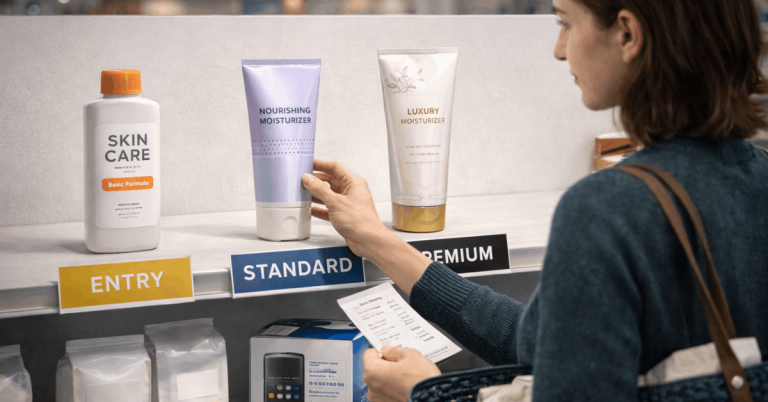
- Cosmetics and skincare — Formulas can separate, leak, or change consistency in temperature swings.
- Supplements and vitamins — Moisture and heat can cause clumping and reduce stability.
- Batteries and power banks — Temperature stress and long storage can reduce capacity and reliability.
- Adhesives, tapes, and resins — Heat and age can thicken, cause premature curing, or weaken bond strength.
- Soft plastics, vinyl, and rubber goods — Heat can warp shapes and make materials sticky or brittle.
- Leather and humidity-sensitive fabrics — Damp conditions can cause odor, staining, or surface changes.
How to Spot Risk Before You Buy
You can reduce quality surprises by spotting “aging risk” before you place the order.
Focus on what the item needs to stay stable and how long and rough the shipping route is likely to be.
- Product sensitivity clues — Look for “store cool/dry,” “fragile,” “keep upright,” and sealed-packaging needs.
- Shelf life and date info — Prefer listings that show expiry, batch details, or clear storage guidance when relevant.
- Packaging signals — Check if the listing shows inner seals, shrink wrap, padding, or double boxing.
- Review pattern checks — Scan for repeats like “melted,” “leaked,” “separated,” “warped,” “rust,” or “dead on arrival.”
- Timeline realism — Longer delivery windows increase the risk of heat, humidity, and staling.
- Route complexity — More handoffs and cross-border legs increase handling and storage exposure.
- Seller reliability — Favor sellers with consistent feedback on packing quality and fast handling times.

Shipping Choices That Reduce Aging Risk
Your shipping choice affects how long the item is exposed to heat, humidity, and handling.
Picking a more reliable route can protect quality even when the product itself is sensitive.
- Tracked shipping — Gives scan proof, reduces “lost time,” and helps you react faster to holds.
- Faster service for sensitive items — Shorter transit usually means less exposure to damaging conditions.
- Fewer handoffs — Fewer carrier transfers can mean fewer drops, delays, and storage events.
- Avoid extreme weather windows — Try not to ship during peak heat waves or cold snaps when possible.
- Stronger packaging request — Ask for extra padding, a sealed inner bag, and reinforced corners in simple terms.
- Protect liquids and fragile goods — Prefer “upright” packing and leak barriers when items can spill or crack.
- Choose a delivery time — Avoid leaving packages outside for hours; aim for an attended delivery or pickup point.
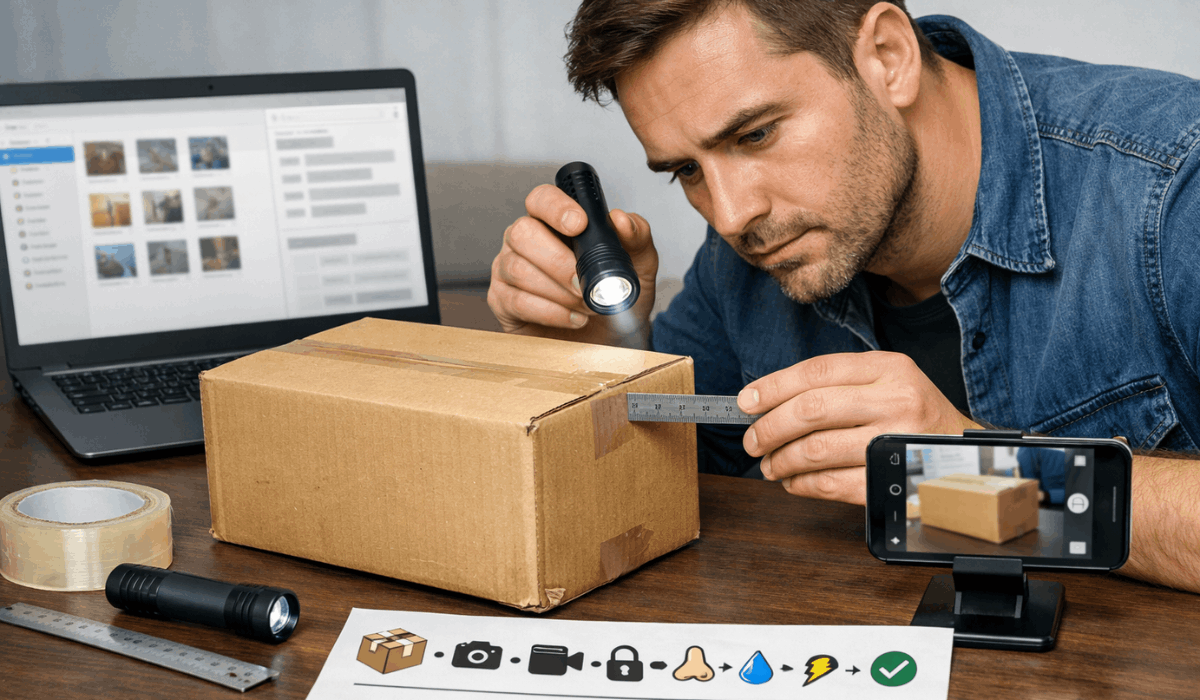
Delivery-Day Inspection Routine
Delivery day is when you can confirm whether the item stayed stable during transit.
A fast, consistent inspection also gives you clear evidence if you need to report a quality issue.
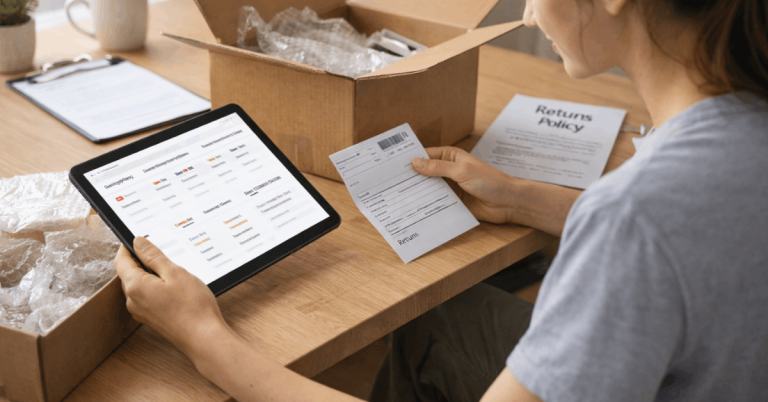
- Check the outer box first — Look for crush marks, punctures, wet spots, and re-taped seams.
- Photograph all sides before opening — Capture the label area, corners, and any visible damage.
- Record the unboxing — Use one continuous video that shows packaging layers and the first reveal.
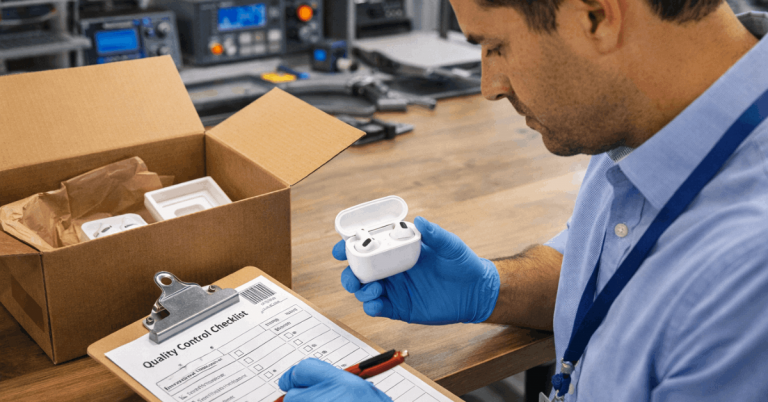
- Inspect seals and inner packaging — Note broken seals, leaks, loose caps, or missing protective wrap.
- Look for aging signs — Melting, separation, warping, corrosion, odor, moisture, or unusual residue.
- Do quick function checks — Power on electronics, check ports/buttons, and note battery behavior if relevant.
- Save and organize proof — Store photos, video, order details, and tracking in one folder with dates.
If the Product Arrives Aged or Degraded
If the product arrives aged or degraded, your goal is to document the condition clearly and act within the seller’s or platform’s deadlines.
A short, factual report supported by clear evidence usually moves faster than a long complaint.
- Stop using the item right away — Keep it in the “as delivered” condition so your proof stays consistent.
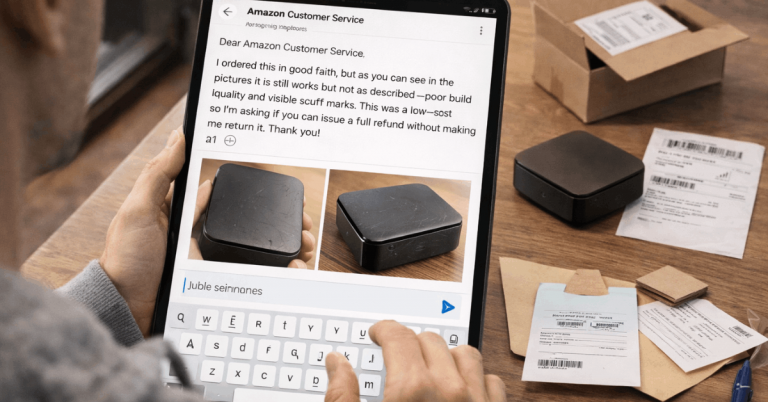
- Capture clear evidence — Take photos of the box, inner packaging, seals, and the defect, plus a short unboxing or inspection video if you have it.
- Record what changed and why it matters — List separation, warping, odor, leakage, corrosion, or poor performance, and say how it affects use.
- Save the timeline — Keep screenshots of the order page, promised delivery window, tracking scans, and the delivery date.
- Use a simple claim message — Write 3–5 sentences: what arrived, what’s wrong, when you noticed it, and what you want.
- Keep all packaging until resolved — Boxes, inserts, seals, and labels often help confirm handling and condition.
- Escalate with facts, not extra detail — If the first response stalls, resend the key evidence set and restate your request within the allowed timeframe.
Quick Checklist for Safer International Purchases
A quick checklist helps you prevent quality surprises and makes claims easier if something goes wrong.
Use it before you buy, during shipping, and on delivery day.
- Confirm sensitivity — Check if heat, cold, or humidity can affect the item.
- Check timeline risk — Avoid long delivery windows for fragile or formula-based products.
- Scan reviews for patterns — Watch for repeat complaints like melted, leaked, warped, or dead on arrival.
- Pick safer shipping — Choose tracked service with fewer handoffs when possible.
- Ask for better packing — Request padding, a sealed inner bag, and reinforced corners in a single short message.
- Track and save proof — Screenshot order details, promised window, and key tracking scans.
- Inspect on arrival — Photo the box, record opening, and document seals and condition right away.
Final Takeaway
Some products age poorly in transit because international shipping adds heat, humidity, long transit times, and heavy handling, which can reduce quality before delivery.
If you choose lower-risk shipping, check for repeat issues in reviews and document condition on arrival, you reduce surprises and protect your claim options.
Use this checklist on your next international order and save your proof the same day the package arrives.