A product can look settled when you click pay, then feel unfamiliar when the parcel is open: the colour is off, the charger will not fit, the box is retaped, or a pictured accessory is missing.
These disappointments are not always scams. They often grow from the distance between a marketplace page and the supply chain that fulfils it.
This guide explains where that distance appears, which differences are acceptable, and when an order deserves a report rather than waiting.

The Page May Describe Several Products at Once
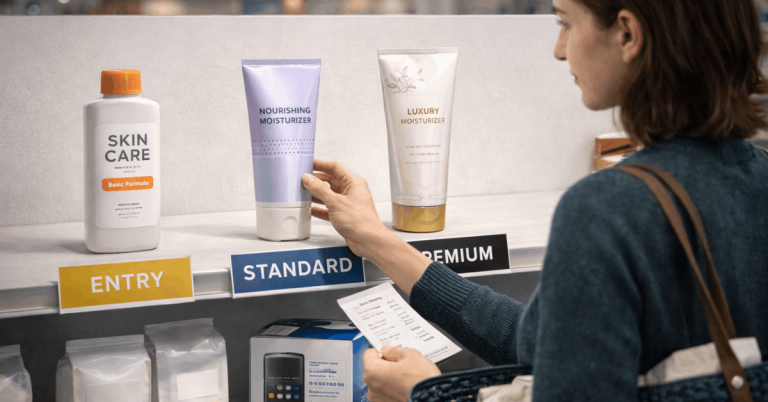
Marketplace listings can combine sizes, colours, capacities, bundles, and product generations on one page. The main image may show the fullest version, while the lowest price applies to the simplest option.
Choose your option before rereading the title, specifications, and contents list. A page saying “set” may offer one replacement piece; a device photo may include an adapter sold separately.
The selected version is the commitment, while the main image is often only an illustration.
A Dropdown Choice Can Change the Practical Details
Options do more than change colour. They can alter fabric thickness, plug type, storage size, model year, included cable, or packaging. On translated pages, those differences may sit behind short labels that do not explain what changes.
Match the option with written specifications and buyer photos from people who chose it. When you cannot confirm a necessary component, treat that uncertainty as a clear warning, not a minor detail to solve after delivery.
A Seller May Never Inspect the Item You Receive
Some stores forward orders to suppliers, dropshippers, or fulfilment partners. That can be efficient, but it means the shop answering your message may never see the item, its condition, or the box used to ship it.
The seller may list a product accurately and still send stock pulled by another business. Read current feedback for accuracy, packing, and missing parts. Friendly chat is useful, but recent evidence is more valuable than a seller’s assurance.
Shared Stock Can Blur Condition and Source
Large warehouses may route an order from the unit nearest to your address, not stock pictured in a listing. Similar units can sit together, and returned or older stock may be reshelved under the same product code.
A plain box or new tape does not automatically prove an item was used, but it should lead to closer inspection. Compare labels, serial details, accessories, and visible wear.
The question is whether the delivered item still meets the condition you paid for.
Also Read: Why Cheap Products Often Vary in Quality
Regional Versions Cause Problems That Photos Do Not Show
A product released for another country can look identical while using a different voltage range, plug, manual language, software setting, sizing standard, or warranty rule.
This matters for electronics, beauty devices, replacement parts, clothing, and branded goods. Check model numbers, measurements, and compatibility notes instead of relying on a familiar name.
An item can be genuine and still be unsuitable where you live. Regional compatibility becomes a serious problem when the product cannot work safely with your local setup.
Translation May Lose the Warning You Needed
Automatic translation can turn a clear restriction into vague wording. A note about refurbished stock may disappear, centimetres may be wrong, or an option title may not match the version shown.
Awkward language alone is not proof of dishonesty. Conflicting facts are more serious. Compare the measurement chart, item code, images, and seller response.
When two details disagree, rely on the one confirmed in writing, or leave the listing. The remaining uncertainty should shape your decision before payment.
The Delivery Route Can Change Condition Along the Way
An international parcel may move through export warehouses, security screening, cargo hubs, customs, sorting centres, and a final courier.
Each stop adds handling. Retail boxes can be compressed, loose parts can shift, and fragile items can arrive scratched even when the seller packed them well.
Review buyer photos for padding, sealed bags, crushed corners, and missing inserts. Delivery is not separate from the product; it affects the condition you receive and the evidence you may need later.
A Resealed Box Has More Than One Explanation
Customs officers may open packages for inspection and reseal them with fresh tape or paperwork. A warehouse or local courier may also repackage a damaged box.
Do not assume the worst from tape alone. Photograph the parcel before opening it, then check contents, labels, accessories, and condition against the order.
If a duty or document request appears, verify it on the carrier’s official tracking page. That protects you from a fake payment request and preserves a clear record.
Arrival Day Is When You Have the Best Evidence
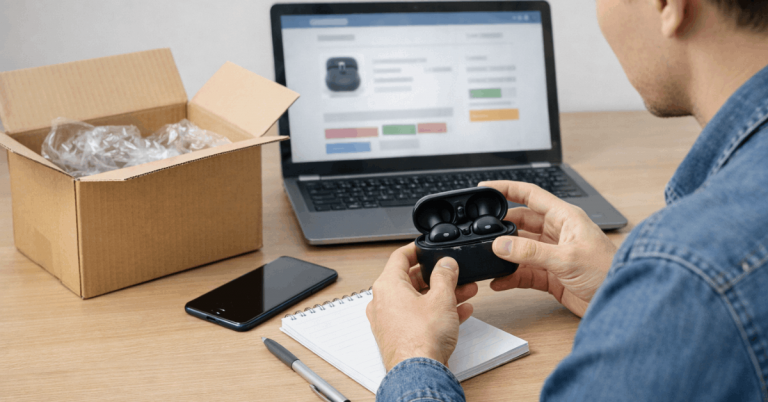
Once the parcel is opened, used, washed, installed, repaired, or discarded, it becomes harder to show what happened. Before that, photograph the shipping label, box, seals, inner protection, and visible damage.
Check the colour, model number, size, accessories, and basic function against your selected option. This matters most for expensive, fragile, fitted, or technical purchases.
Quick inspection keeps your return choices open and gives you proof if the order differs from the page.
Three Checks Before You Discard the Packaging
You do not need a lengthy unboxing video for every small item. A few careful checks are enough to create a fair record when an order is incomplete or wrong. Keep the listing visible while you inspect the parcel and the contents.
- Photograph the label, box, packing, and any obvious damage.
- Match the model, size, colour, and accessories to your chosen option.
- Test basic functions without removing tags or altering the item.
Timing Determines How Much Help You Can Get
A difference that seems minor on delivery day can become expensive after a return or buyer-protection period ends. Check the deadline as soon as the parcel arrives, even when you plan to use the item later.
If there is a problem, contact the seller through the marketplace and describe it plainly. Do not move messages elsewhere or close a dispute because a seller promises a later fix.
Your deadline and record inside the platform matter more than informal reassurance.
Keep a Purchase Record That Still Helps Later
Save the listing, selected variant, description, delivery promise, tracking history, and seller messages when you buy, not after trouble begins.
Sellers can edit pages, update photos, or remove specifications, while tracking histories may become harder to find. When you report an issue, show what you ordered, what arrived, and how they differ.
That makes the request easier to review. International shopping has uncertainty, but good records turn a confusing mismatch into a clear, workable case.