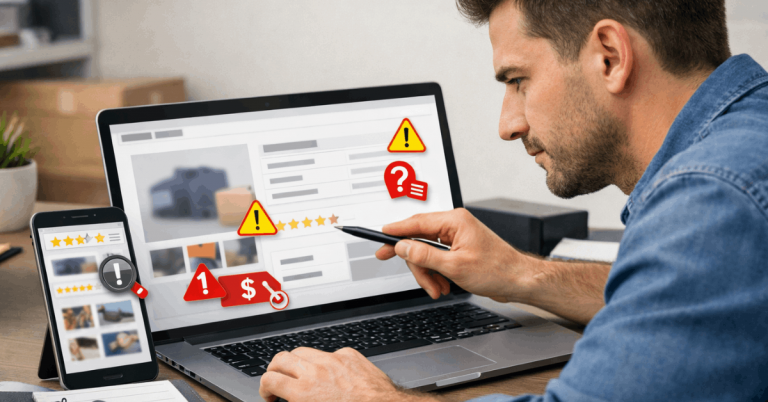
In large marketplaces, identical products often appear across dozens of listings with different prices, shipping promises, and seller behavior.
Strong outcomes start when you Compare Similar Listings using defensible signals like store feedback, recent photo reviews, and fulfillment guarantees rather than headline discounts alone.
Price still matters, although reliability and packaging quality usually decide whether the item lasts past the first week.

Why Comparing On A Marketplace Changes Outcomes
AliExpress functions as a marketplace, not a single store, which means many independent sellers publish their own versions of the same item.
Names, keywords, and translations vary widely, so one query rarely exposes the full set of options. Higher quality frequently sits a few rows below the cheapest result, hidden behind cautious titles or alternate spellings.
A short system for identifying close matches, checking seller history, and validating recent reviews narrows the field quickly.
How To Compare Similar Listings Efficiently
A clean process avoids random clicking and helps surface the best duplicate listings fast. Start from one item that looks promising, then branch outward using AliExpress tools and a lightweight extension.
Keep notes on two or three finalists, since strong options sometimes differ on shipping speed or return terms. The goal is a small shortlist for side-by-side judgment rather than a tab explosion.
Use “Similar Products” On The Product Card
AliExpress product comparison benefits from the native “You may also be interested in” and “More to Love” sections under the card.
Long-press on mobile to surface similar items, then open only those showing strong feedback and recent orders. When colors or memory capacities complicate pricing, expand the variant picker to confirm that the headline price reflects the desired option.
Run An Image Search
Image search finds lookalike listings that the title text fails to reveal. Upload the product photo or select “Search by image” in the search bar, then filter for high feedback, solid order counts, and realistic shipping windows.
Cropped manufacturer photos often uncover the original listing, which clarifies specs and packaging details.
Add A Lightweight Extension
A simple add-on speeds evaluation through overlays showing rating color codes, order counts, and a price history tracker.
Color bands help eliminate weak stores at a glance, while graphs expose steep price drops tied to flash sales or bait accessories. Keep privacy in mind when choosing a well-reviewed option, then disable it when you’re not shopping.
Evaluate Seller Reliability Using The 95 Percent Rule
Quality tracking starts with the seller. Stores with 95 to 97 percent positive feedback and at least one year of activity rarely disappear after a dispute.
That range is not a guarantee, although it signals consistent fulfillment and acceptable packaging over time. Always pair rating history with recency, since performance can drift when a store scales too quickly.
Store Rating and Age
Set a seller rating threshold of 95 percent, then prefer sellers above 96 when options are plentiful. Longevity indicates stability, especially when feedback charts show steady performance rather than jagged swings. New stores can be excellent, although the lack of history raises risk if the item is expensive or fragile.
Badges and Identity Signals
Top Brand verification and Official Store badges increase confidence because they indicate more rigorous platform vetting.
Branded storefronts often provide consistent boxes, sealed accessories, and better after-sales chat support. When a badge is absent, scan the store’s header graphics and catalog for obvious copy-paste signs.
Order Volume and Recency
An order volume signal of 500 or more suits low-risk electronics, while accessories and clothing benefit from 1,000 or more.
Order totals alone do not close the case, so confirm that the most recent thirty to ninety days still show positive delivery outcomes. Large gaps between historical orders and new reviews can indicate a listing that changed suppliers.
Read Reviews Like A Pro
Reviews decide tie-breakers because they reveal materials, finishing, and real-world sizing. Photographs from buyers show stitching, molding edges, and color accuracy better than edited catalog images.
Patterns inside negative comments often predict whether the problem will affect daily use or only a niche scenario. Filters for “Photos” and “Latest” save considerable time.
Photo Review Analysis
Scan unfiltered images for corners, seams, cable strain relief, and logo placement, since those areas fail first.
Packaging shots expose whether foam, corner guards, or anti-static bags were used, which correlates to survival rates in longer routes. When coatings or fabrics look different under indoor light, expect a material change and avoid that supplier.
Recent Reviews Window
Limit attention to the last 30 to 90 days, since manufacturing partners sometimes change without updating their descriptions.
Recency also exposes shipping slowdowns during holidays or weather disruptions. When fresh comments feature refunds or partial credits, assume quality drift until the pattern ends.
Specifics That Matter
Look for sizing notes, precise material grades, and any mention of smell, residue, or loose threads.
Clothing and shoes require Size chart accuracy backed by buyer measurements rather than generic small, medium, large claims. Electronics benefit from firmware version mentions and accessory compatibility confirmations.
Compare Detailed Information And Shipping
Descriptions and logistics determine whether expectations match reality after checkout. Read specifications at the end of the listing, then validate materials, dimensions, and included parts.
Ask for fresh photos when ambiguity remains, and compare shipping methods for speed, tracking, and damage rates.
Verify Specs And Box Contents
Cross-check capacity, fabric weight, alloy designation, plug type, and accessory lists against the main photos. Discrepancies between title and spec table usually point to template reuse. When a listing bundles optional parts, confirm the exact variant in the cart before payment.
Request Real Pictures
Polite messages requesting a real-time photo often receive quick replies because sellers want fewer disputes. Ask for a close-up of stitching, the PCB label, or the fabric tag to verify authenticity. Archived sample photos are common, so make sure timestamps or small unique angles prove recency.
Compare Shipping Options
Transit methods vary in speed and packaging care, which affects breakage rates and late deliveries. Prioritize tracked options when fragile items are involved, even if a small fee applies. Regional services sometimes hand off parcels to local carriers, so factor that into delivery estimates.
Common Pitfalls That Lower Quality
A short checklist of recurring traps keeps disappointment off the porch. These patterns appear across categories and spike during major sales events.
- Cheapest headline prices often map to low-grade variants, poorer packaging, or accessory-only bundles.
- Hook pricing places a tiny part in the dropdown while the main product costs considerably more.
- Clothing sizing follows regional conventions, so Chinese cuts typically run smaller than US norms.
- Variant photos sometimes show higher specifications than the default selection, which unfairly inflates expectations.
- Flash sale timers pressure quick decisions, which reduces the time for thorough review checks.
Signals That Indicate An Upgrade In Quality
Stronger stores usually show consistent language, clean photography, and coherent catalog structures. Support replies that include specific dimensions or material sources indicate familiarity rather than script reading.
Listings with verified logistics partners and shorter promised handling times usually pay closer attention to packaging and post-sale chat. A Free Returns policy, when present in your region, lowers downside risk for clothing, shoes, and color-critical items.
Five-Step Verification Checklist
Clear steps lock in better outcomes without turning shopping into a research project. This quick loop fits everyday purchases across categories.
- Compare three to five sellers offering the same item through native similar sections or image search.
- Confirm a seller rating threshold of 95 percent or higher, plus at least one year of active.
- Read only recent reviews within the last thirty to ninety days, filtered for photos.
- Check whether a Free Returns policy or Return Protection applies to the chosen variant and region.
- Use a trusted extension for price alerts, a price history tracker, and simple seller scoring.

Where To Find Similar Products Inside AliExpress And Extensions
Locating close alternatives happens inside the product page and through extensions. Expect the native modules to surface reasonable options, then let the add-on fill gaps created by unusual titles or translation noise.
Keep the focus on candidates meeting your rating and review windows, since volume alone can mislead.
Product Card Modules
Scroll the item card to find “You may also be interested in” and “More to Love,” then open any listing that pairs high feedback with clear, recent photos.
These modules are particularly helpful when the original search was narrow or misspelled. Open each candidate in a background tab to build a quick comparison set.
Image Search In The App
Long-press an image in the mobile app or tap the camera icon in the search bar to launch image search.
Crop to the product area when backgrounds are noisy, then repeat for several angles. Image search often reveals the manufacturer’s catalog page, which clarifies exact model numbers.
Extension Examples
Reliable helpers display store age, feedback color codes, order counts, and discount history over the page.
Features that support AliExpress product comparison save time and reduce human error when scanning dozens of nearly identical listings. Keep data-collection permissions tight and uninstall tools that feel intrusive or unstable.
What You Can Buy On AliExpress In Brief
The catalog spans clothing, electronics, tools, home goods, beauty, toys, and hobby parts, plus event decor and components for DIY projects.
Variety helps when comparing materials or bundles across multiple sources, since one seller’s kit might include smarter accessories for the same total cost.
Broader categories also mean broader variance in packaging, so fragile and premium items deserve stricter thresholds for reviews and shipping methods.
Final Tips For Confident Purchases
Set a default process and stick to it even during large sale events. Start at dependable stores, verify that recent photos match the current production run, and avoid panic purchases driven by expiring coupons.
Keep screenshots of the spec table and variant selection until delivery, since clear records simplify disputes.
When uncertainty remains, choose the slightly pricier listing that pairs higher feedback with faster, tracked shipping and a responsive chat history.