Delivery time does more than decide when an order reaches your door. A longer route can expose fragile products, sensitive materials, and packaging to more handling, storage, and changing conditions.
That does not mean every slow parcel will arrive damaged. It means buyers should judge delivery options by the item’s needs, not only by the lowest shipping price.
Why A Longer Route Creates More Exposure?
A package that travels farther usually passes through more facilities, vehicles, and sorting points.
Each stage introduces handling risk and environmental exposure, especially when the item is delicate or poorly packed.
Also Read: How Long Should You Wait Before Filing a Dispute on International Orders

More Transfers Mean More Opportunities For Damage
Every transfer may involve loading, unloading, scanning, sorting, stacking, and moving parcels through crowded facilities.
A sturdy phone case can tolerate that routine better than glassware, a model kit, or an item with loose internal parts.
The extra touches do not guarantee harm, but they raise the chance that weak packaging will fail after a drop or heavy stack.
Buyers should treat a long route as a reason to check packaging reviews and seller reliability before placing the order.
Storage Conditions Matter When A Parcel Stops Moving
A delayed parcel can sit in a warehouse, cargo container, customs area, or local delivery depot for longer than planned.
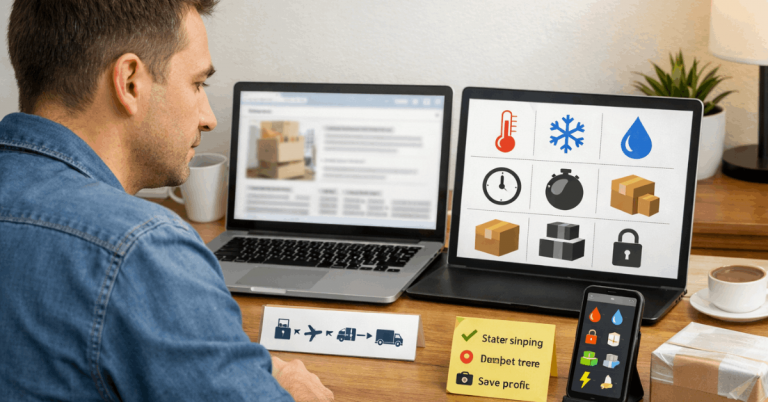
Heat, cold, humidity, and pressure from stacked boxes can affect batteries, cosmetics, adhesives, paper goods, and thin plastic parts.
Moisture may weaken cardboard long before the product itself is visibly affected, leaving less protection for the final delivery stage.
For sensitive items, a realistic delivery estimate and a clear carrier tracking page matter more than an optimistic arrival promise.
Packaging Can Reduce Risk But Cannot Fix Every Problem
Good packing gives an item a better chance of surviving a long journey, yet it does not make every shipping choice equally safe.
The right approach matches protective materials and box strength to the product’s weight, shape, and sensitivity.
Strong Packaging Must Fit The Product Inside
A large box with a small item rolling around inside can be as risky as a thin mailer. Reliable sellers use internal cushioning, firm outer cartons, and enough space to absorb impacts without allowing the product to shift.
Heavy products need stronger boxes and support around corners, while scratch-prone items need separate wrapping.
Look for buyer photos that show secure packing and undamaged arrival, rather than relying only on polished listing images.

Fast Shipping Does Not Replace Proper Preparation
Express delivery can shorten exposure time, but the parcel will still be picked up, sorted, loaded, and delivered.
A weak seal, loose item, or poorly protected screen can be damaged during the first few hours of transit.
Faster service is most useful when the seller has already packed the item carefully and the product needs to avoid heat, pressure, or a deadline. In other words, shipping speed helps, but packing quality remains the first line of protection.
Choose The Delivery Method For The Item You Are Buying
The cheapest option is not always the most economical once a damaged item, slow return, or replacement cost is considered.
Match the shipping service to the item’s replacement difficulty, value, and condition requirements.
Economy Shipping Works Better For Durable Purchases
Economy delivery can be reasonable for low-cost, non-fragile items such as fabric accessories, basic cables, tools, or spare parts that are not urgently needed.
These products usually tolerate longer handling better than glass, cosmetics, branded electronics, or products with precise fit requirements.
The trade-off is weaker tracking, slower support, and a longer period when the parcel may sit between carriers. Use economy shipping only when the item has low damage risk and no fixed deadline.
Express Delivery Can Be Worth Paying For
Courier or expedited options may suit valuable, fragile, temperature-sensitive, or time-sensitive purchases. Better tracking can also make it easier to react when the package needs a customs payment, address correction, or delivery instruction. This does not remove every problem, and buyers should still read the seller’s return policy before paying. The extra cost may be justified when faster handling and clearer updates reduce the impact of a replacement or delay.
Check The Seller And Package Before Problems Become Harder To Prove
A careful purchase starts with the listing, but the buyer’s work continues when the parcel arrives.
Small actions around seller research and arrival inspection can make a dispute easier if the product arrives in poor condition.
Reviews Often Reveal The Packing Standard
Look beyond the average star rating and search recent feedback for comments about crushed boxes, broken seals, missing padding, or damaged corners.
Reviews with photos can show whether the seller packs the same product consistently or presents attractive images online.
Repeated complaints about late dispatch or poor packaging are more useful than a single complaint about a courier delay.
This helps buyers separate seller preparation from carrier mistakes before choosing an option.
Inspect The Parcel Before You Confirm Everything Is Fine
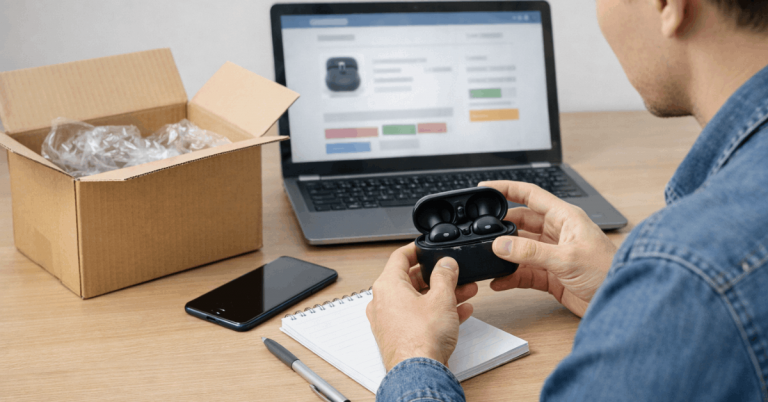
Check the outer box, seal, label, and product as soon as practical after delivery. Photograph visible damage before discarding packaging, especially for high-value goods or items that may need a claim.
Keep the order details, delivery record, and messages until the product has been tested and the return window has passed.
A quick check gives you evidence for the buyer protection policy and avoids losing proof after the return deadline.x
A short arrival review should cover:
- Outer packaging for crushing, tears, or moisture.
- Product condition before installation or heavy use.
- Missing parts or differences from the listing.
Conclusion: Treat Delivery Time As A Condition Signal
Delivery time is not a guarantee that an item will arrive damaged or perfect. It is a useful sign of how much handling exposure and storage risk a product may face before delivery.
Choose stronger sellers and shipping methods when the item is fragile, expensive, sensitive, or difficult to return.
By checking packing evidence and inspecting the parcel early, buyers can protect both the product and their refund options.