A marketplace page can look polished yet leave you guessing about what will arrive.
Warning signs are often quiet: an image that does not match the option, a vague material claim, a seller avoiding one basic question, or a delivery estimate that says little.
Read those gaps before payment, so the listing earns your trust instead of borrowing it from a low price.
Start Where the Page Is Least Polished
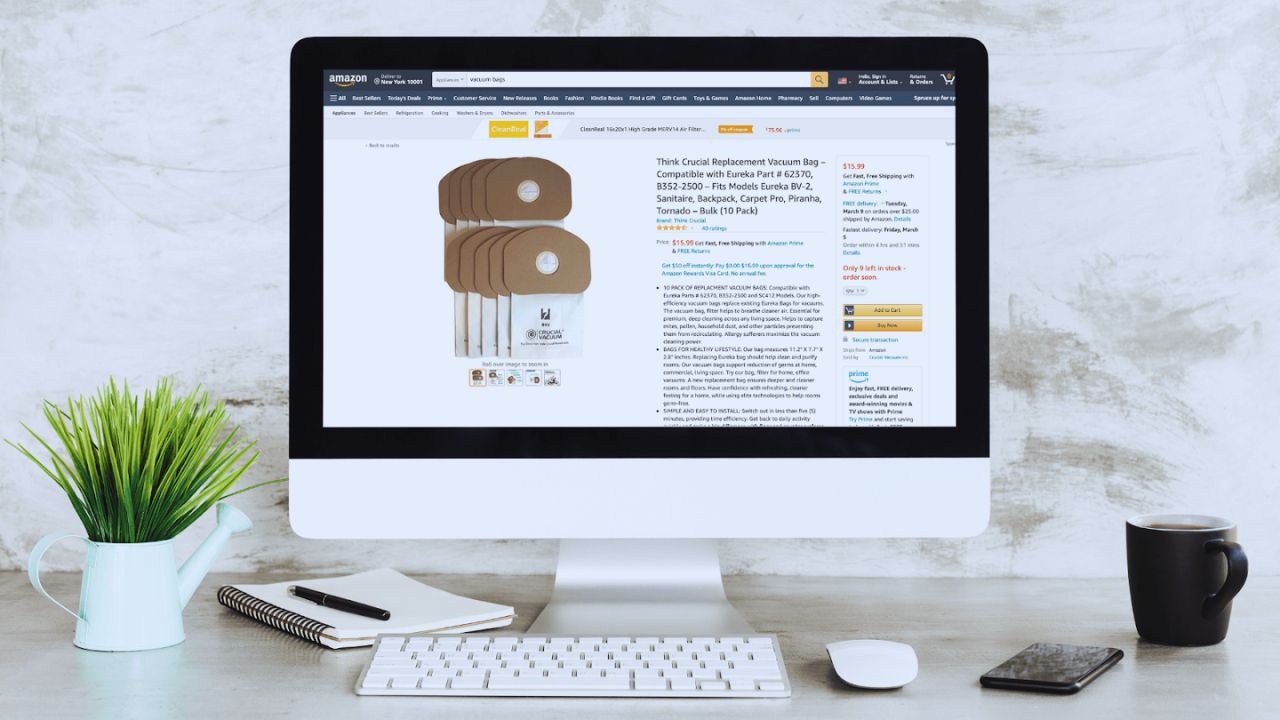
The useful information is usually below the first image and sale banner. Open the options, specifications, delivery notes, seller profile, and return section before deciding.

A good page lets you identify the exact version, what comes in the box, and how it is meant to be used. When those answers are buried or missing, include that uncertainty in the price you are prepared to pay.
The Title Should Identify, Not Advertise
A crowded title may be trying to catch searches rather than describe the product. “Best,” “premium,” and “original” do not replace a model number, material, size, capacity, or compatible device.
Read the title after choosing an option, because one page can cover several versions. The useful title says what you are buying; sales language should not outweigh the details.
Photos Can Sell a Product Without Showing It
Studio photos are meant to attract attention, not answer every practical question. Soft light can make thin fabric look heavy, remove scratches from plastic, or hide loose stitching.
Look for labels, ports, seams, edges, and a scale reference. The gallery should show the parts that matter after delivery, not only the prettiest angle or brightest colour.
Check the Views That Explain Real Use
Ask what you would inspect if the item were in a shop. For a backpack, that may be the zip, straps, base, and lining; for a tool, the connection point and moving parts.
Missing close-ups do not prove poor quality, but they limit what you can judge. Buyer images can supply useful condition and scale after normal handling.
The Description Is Where a Seller Makes a Commitment
A clear description names the material, measurements, chosen version, included parts, and limitations. It should tell you whether a shelf fits, a cable connects, or a dress has lining.
Broad claims such as “high quality” cannot be tested. Look for specifics that match the item’s purpose, especially when returning it would be expensive.
Contradictions Matter More Than Awkward Translation
Automatic translation can produce clumsy wording, and a typo is not automatically a warning. The problem is when the title says steel, the description says alloy, and the photos show something else.
Treat disagreements about material, size, voltage, accessories, or quantity seriously. A page that cannot keep its facts straight cannot give a reliable expectation of delivery.
Price Problems Usually Appear at Checkout
The item price is only one part of the decision. Add shipping, taxes, duty, conversion charges, and the cost of an unsuccessful return before calling something cheap.
A local item can offer better value with a clear warranty and faster replacement.
A novelty item can carry more uncertainty than a repair part or daily essential. The total matters more than the discount.
Do Not Let an Unrealistic Discount Make the Decision
A crossed-out price or countdown timer can create pressure without proving value. Compare the same specification across a few listings, not their headlines or main photos.
If identical images appear at lower prices, the expensive page needs a reason for its premium.
A sale helps only when it reduces the cost of something needed. Do not let urgency decide what the evidence does not support.
Seller Behavior Can Predict the Hard Part of Buying
The marketplace may handle payment, but the seller often controls inventory, packing, dispatch, and replies when problems arise. Review the shop as carefully as the product page.
A seller used to simple accessories may not pack glass, electronics, or exact-fit parts well. Look for steady service and realistic communication, rather than expecting a star rating to cover every order.
Also Read: How to Balance Price, Quality, and Delivery Time
Recent Reviews Tell You More Than a Lifetime Rating
Open recent reviews and prioritize buyers who chose the same colour, size, bundle, or model. A five-star “nice” offers less than a three-star review explaining that an item arrived scratched, smaller than expected, or late.
Notice whether the same issue appears across several orders. Repeated patterns show a seller’s current standard more clearly than old praise.
Delivery Details Reveal How Much Uncertainty You Are Accepting
A vague delivery window, untracked route, or unclear handling period does not always mean trouble. It does mean you should not order something needed for a trip, work, a party, or a repair on a fixed date.
Parcels can wait before dispatch, pause in customs, and change carriers after arrival. Match shipping to your deadline and the item’s importance, not only the lowest fee.
Packaging Is Part of the Product Experience
The right item can arrive bent, wet, scuffed, or incomplete when packing is weak. Check review photos for crushed cartons, loose accessories, thin mailers, foam, sealed bags, or empty space inside a box.
This matters most for fragile, heavy, and technical products. A retail box may look attractive but offer little protection. Good packaging gives the product a better chance of arriving usable.
A Short Pre-Payment Check Is Enough
You do not need an hour of research for every low-cost purchase. For fitted, fragile, technical, expensive, or difficult-to-return products, pause after selecting the variant.
Confirm that the page, buyer feedback, and delivery terms tell the same story. The aim is not perfection; it is seeing the tradeoff before the money leaves your account.
Three Things Worth Confirming
Use this check when the page has raised a question the first image cannot answer. It focuses on the areas behind the most expensive surprises: the selected version and the realistic exit plan.
- Match the chosen option to measurements, photos, and included parts.
- Read recent reviews for defects, delivery delays, and packing patterns.
- Confirm the final cost and whether a return works from your location.
Walk Away When the Facts Cannot Carry the Sale
A strong listing makes basic questions easy to answer: what you receive, what it is made of, how it is shipped, and what happens if it arrives wrong.
A weak page asks you to assume the best. Skip an attractive deal when details conflict, the seller cannot clarify them, or a return is unrealistic.
Let clarity guide your checkout, even when it means waiting for a better listing. That pause protects your budget, time, patience, and next order when delivery goes wrong.