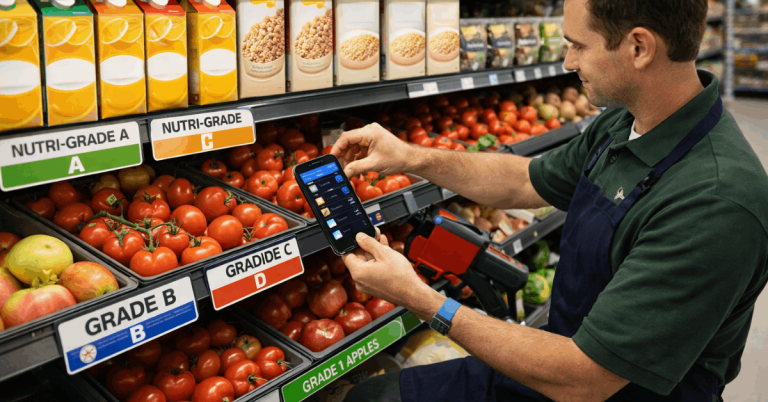
Cheap products can be worth buying, but the quality often changes from one order to the next.
In international marketplaces, small differences in materials, factory batches, seller practices, and shipping conditions can produce very different results.
In this guide, you’ll learn why this happens and what you can do to spot risk early and buy with fewer surprises.
What “Cheap” Usually Means in Marketplace Supply Chains
“Cheap” usually means the seller is sourcing from multiple factories or changing batches to keep the price low.
That creates inconsistent materials, finishing, and quality control, even when the listing looks the same.
The Main Reasons Quality Varies
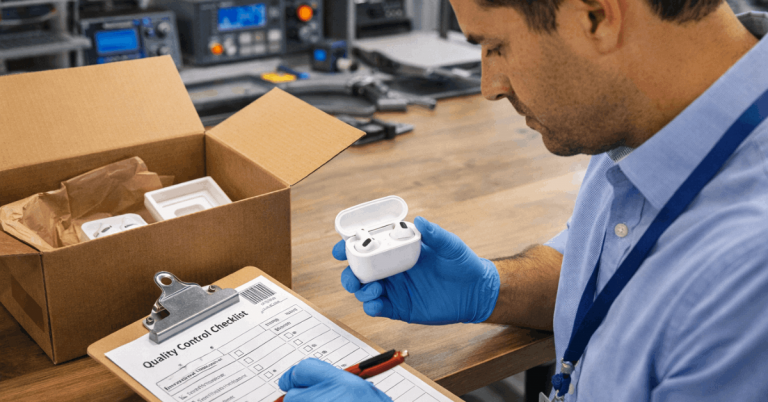
Quality varies because low-cost products are built and shipped with less control and fewer safeguards. If any part of that chain changes, your result changes too.
- Material and component swaps happen to hit a low price fast.
- Reduced quality control allows more defects to reach buyers.
- Inconsistent assembly and finishing create uneven stitching, loose parts, or rough edges.
- Batch-to-batch variation changes results across production runs and workers.
- Packaging cutbacks and rushed volume increase damage and defect risk during sales.
Pricing Pressure and Incentives Behind Variability
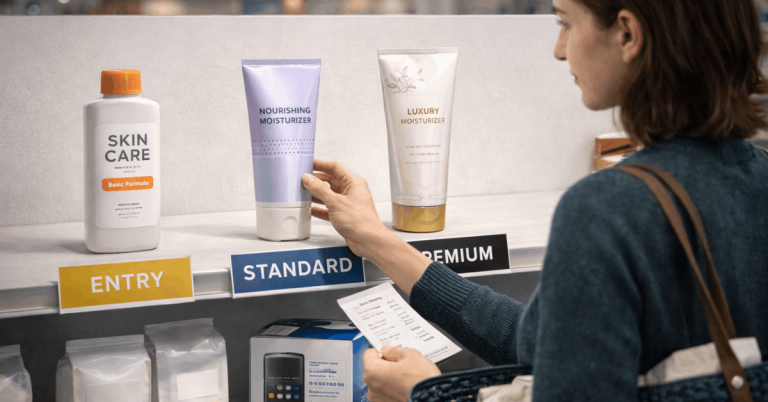
Pricing pressure pushes sellers to hit a target price first, then adjust everything else to make the math work.
That’s why the same product name can deliver different quality over time.
- Race-to-the-bottom pricing forces cheaper materials and faster labor.
- Thin margins make defects cheaper to accept than to fix.
- Supplier switching happens when the lowest quote wins that week.
- Promotions and flash sales encourage rushed production and weak finishing.
- Platform ranking incentives reward low price and high volume over durability.
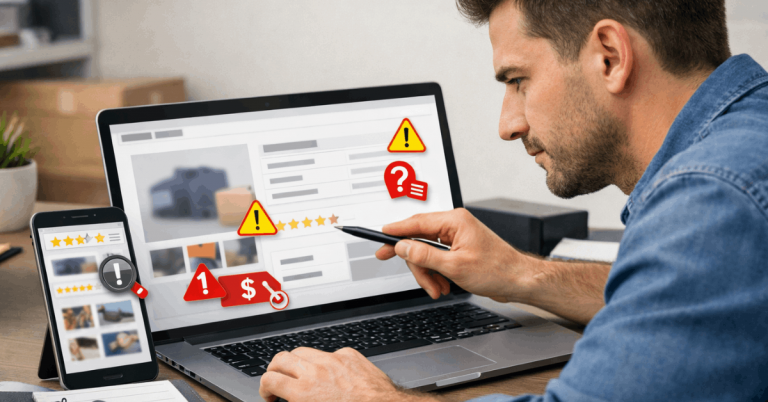
Listing Pages Can Hide Variation
A listing page is built to sell the best version of the item, not to show the full range of outcomes.
When details are vague or options are unclear, real variation is easier to hide.
- Best-case photos and angles show the most polished sample.
- Vague specs allow silent changes in thickness, weight, and parts.
- Missing measurements create size and fit surprises.
- Variant traps change quality or accessories by color, size, or set.
- Translation and naming issues distort materials, capacity, or compatibility.

Shipping and Handling Can Make Quality Look Worse
Even if the product leaves the factory in decent shape, shipping can weaken it or make it look defective.
Long routes, basic packaging, and repeated handling increase the chances of damage and cosmetic issues.
- Minimal packaging increases the risk of dents, cracks, and bent parts.
- Multiple handoffs in long transit raise handling stress on parcels.
- Compression in bulk shipping warps plastic and crushes corners.
- Heat exposure deforms plastics and weakens adhesives or seals.
- Moisture and impact cause rust, stains, loosened parts, and breakage.
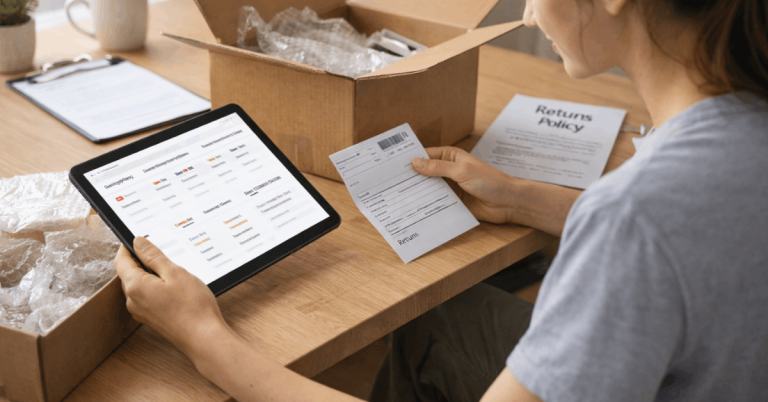
Returns and Disputes Shape What Sellers Ship
Return and dispute rules influence seller behavior because sellers calculate what costs less: improving quality or handling complaints.
When the system makes refunds cheap or hard to enforce, quality can stay inconsistent.
- Low return rates reduce pressure to improve consistency.
- Partial refunds can reward sellers who ship borderline quality.
- Short dispute windows lower buyer follow-through and seller risk.
- High return shipping costs push buyers to keep flawed items.
- Strict evidence rules allow sellers to deny issues when the evidence is weak.
Seller Reliability Is a Bigger Factor Than the Platform
The platform is just the marketplace. Your results depend more on the seller’s habits, suppliers, and how they handle problems when something goes wrong.
- Stable suppliers reduce surprises across orders.
- Supplier switching increases batch variation and the frequency of spec changes.
- Clear, consistent listings signal better operations and fewer swaps.
- Seller-specific reviews predict outcomes better than platform averages.
- Dispute and “not as described” patterns reveal higher-risk sellers.

Counterfeits and “Lookalikes” Increase Variation
Counterfeits and lookalikes introduce additional variation because the product can change without warning, even when photos appear similar.
You may get a different build, different materials, or different performance from one order to the next.
- Same look, different internals with cheaper hidden components.
- Unstable sourcing causes frequent changes between factories and batches.
- Lower quality control increases defect rates and uneven finishing.
- Spec and accessory mismatches lead to wrong plugs, missing parts, or sizing issues.
- Higher risk categories include chargers, batteries, cosmetics, and branded-style goods.
How to Predict Quality Before You Buy
You can’t remove all risk with cheap products, but you can lower it by checking the right signals before you pay. Your goal is to judge consistency, not perfection.
- Read 2–4 star reviews to find typical outcomes and common flaws.
- Prioritize real-use photos and specifics like texture, thickness, and fit.
- Separate shipping complaints from product flaws to judge the item fairly.
- Check timing around major sales to spot rushed, defect-heavy batches.
- Compare sellers and variants to avoid unstable suppliers and bait options.
What to Do When the Item Arrives
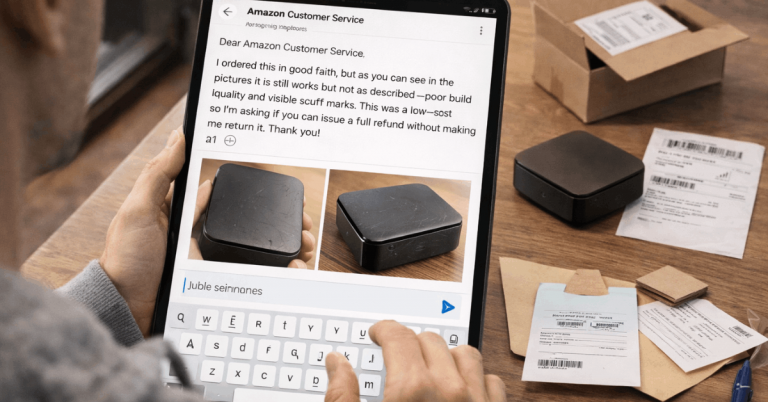
The first hour after delivery matters because it’s when you can confirm the condition, document issues, and protect your dispute options.
You should inspect fast, test the highest-risk parts first, and keep clear evidence.
- Photograph the package before opening and capture any visible damage.
- Confirm the correct variant and contents before you fully use the item.
- Inspect for obvious defects quickly, such as cracks, stains, missing parts, or weak seams.
- Test the highest-failure functions early, like power, charging, zippers, or fit.
- Document and act within deadlines by messaging quickly with clear evidence.
Best Categories for Cheap Buys vs. High-Risk Categories
Cheap buys work best when the item is simple, low-risk, and easy to inspect. Risk goes up when safety, precision, hygiene, or complex electronics are involved.
- Best for cheap buys: simple household organizers, basic phone cases, non-powered accessories, party supplies, and low-stakes décor.
- Usually safe if you check reviews: basic clothing, simple bags, stationery, kitchen tools without blades, and low-cost fitness accessories.
- Higher risk: small electronics with moving parts, earbuds, smart gadgets, and items that rely on tight sizing or exact specs.
- High-risk and not worth gambling: chargers, power adapters, batteries, and anything that can overheat or damage devices.
- Avoid cheap buys when quality matters most: safety gear, baby products, cosmetics, and anything that comes into contact with skin or food for extended periods.
To Wrap Up
Cheap products vary in quality because sellers cut costs, switch suppliers, and ship with fewer controls, and shipping damage can make the result look even worse.
You can still buy smart by checking seller consistency, reading 2–4-star reviews, and inspecting the item immediately upon arrival.
Use this checklist on your next international order and make your choice based on evidence, not the listing photos.