“Worth it” means cheap products still deliver real value after you factor in product quality, delivery time, and risk like damage, missing parts, or seller problems.
The lowest price can be smart when cheap products fall into categories where the job is simple and small flaws or delays will not ruin your plan.
This guide shows you how to judge cheap products by function, not branding, using real buying logic based on how international orders actually arrive.
Quick Checklist Before You Buy Anything Cheap
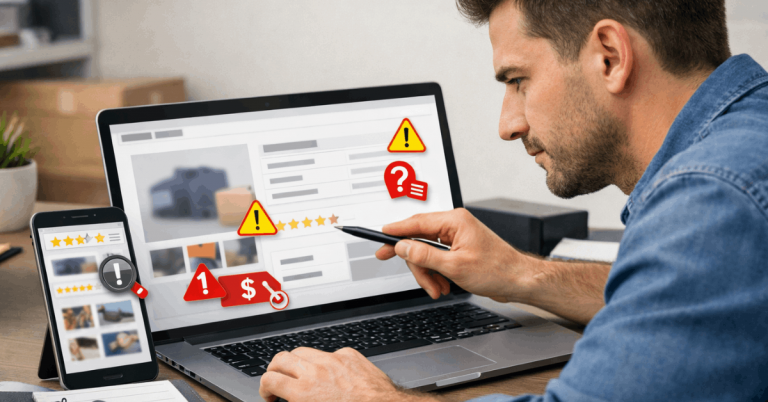
Use this checklist when buying cheap products on international marketplaces to avoid common quality and delivery issues.
Run through it in two to three minutes before you place your order.
- Compare photos by checking buyer images against the listing images to spot size, color, and material differences.
- Read recent reviews first to catch current issues with quality, packaging, or shipping delays.
- Check delivery details by confirming the estimated date range, tracking type, and the reliability of the shipping method.
- Verify key specs such as size measurements, materials, compatibility, and what is included in the package.
- Assess the seller by looking at sales history, rating patterns, and response behavior before you commit.
Cheap Products That Are Usually Worth It
Cheap products are usually worth it when they have a simple function, low risk, and clear specs.
These categories tend to deliver the best value on international marketplaces.
- Simple accessories like basic phone cases, cable organizers, and small add-ons that do one job.
- Storage and home organizers such as bins, hooks, labels, and drawer dividers with clear dimensions.
- Disposable or short-life items like party supplies, seasonal décor, and trial containers, where durability is not critical.
- Generic replacement parts, such as pads, filters, and brush heads, are used once measurements and compatibility have been verified.
- Basic apparel items like socks, plain tees, and simple caps, when you rely on buyer photos and sizing notes.
Cheap Products That Become a Problem Fast
Cheap products become a problem fast when mistakes are expensive, safety matters, or delivery delays ruin the purpose of the purchase.
These categories often turn “low price” into a higher total cost.
- Power and charging items like batteries, chargers, power banks, adapters, and extension leads.
- Safety-critical products like helmets, child items, pet safety gear, and protective equipment.
- Complex electronics like smart devices, gadgets with moving parts, and budget tools with motors.
- Skin-contact items like cosmetics, skincare, and wearable items where material quality matters.
- Time-sensitive purchases like gifts, event outfits, travel essentials, and urgent replacement parts.

Seller Reliability Matters More When the Product Is Cheap
When the product is cheap, you have less room for mistakes, so seller reliability is what protects you from bad quality, weak packaging, and delivery problems.
Use these checks before you place the order.
- Stable ratings that stay consistent over time, not sudden spikes.
- Recent reviews mention packaging, accuracy, and delivery speed.
- Sales history showing steady orders, not a brand-new store with no track record.
- Clear listing details with real photos, measurements, and what is included.
- Responsive messaging where the seller answers questions directly and quickly.
Quality Signals You Can Verify in 3 Minutes
You can spot most quality risks fast if you focus on proof, not promises. Use these signals to determine whether the item matches the listing.
- Buyer photos that confirm real size, color, and finish.
- Repeated complaints that show the same defect across multiple reviews.
- Newest-first review scan to catch current quality control problems.
- Lowest-rating review scan to see the worst-case issues before you buy.
- Clear specs like measurements, materials, compatibility notes, and what’s included.
Delivery Reality Check for Cheap Items
Cheap items often ship more slowly and arrive with less protection, so you need to factor in delivery when making your purchase decision.
Use this reality check to avoid surprises after checkout.
- Economy shipping usually means long waits, especially when parcels are consolidated.
- Tracking gaps are common, and updates may pause until the package reaches your country.
- Customs can add delays, even for low-value orders, depending on the item and route.
- Packaging may be minimal, which increases the risk of damage or missing parts.
- Last-mile delivery varies, so the final handoff can cause extra delays or failed attempts.
Pricing, Taxes, and Hidden Costs
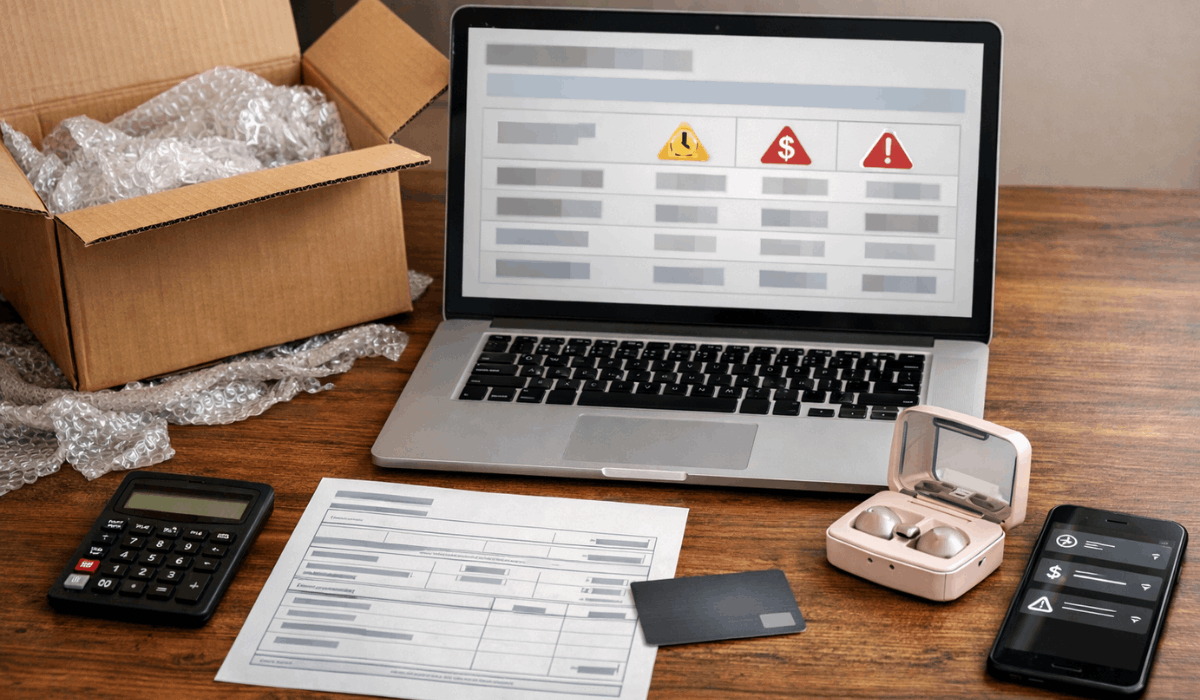
Cheap items can cost more than you expect once fees are added. Use these checks to estimate the real total before checkout.
- Calculate duties and VAT using your country’s import rules and typical thresholds.
- Check currency conversion and foreign transaction fees from your card or wallet.
- Review shipping add-ons like insurance, “priority handling,” or remote-area fees.
- Verify coupon conditions to confirm the discount applies at checkout.
- Compare the final cost to local options when the gap narrows after fees.
Returns, Refunds, and Dispute Outcomes
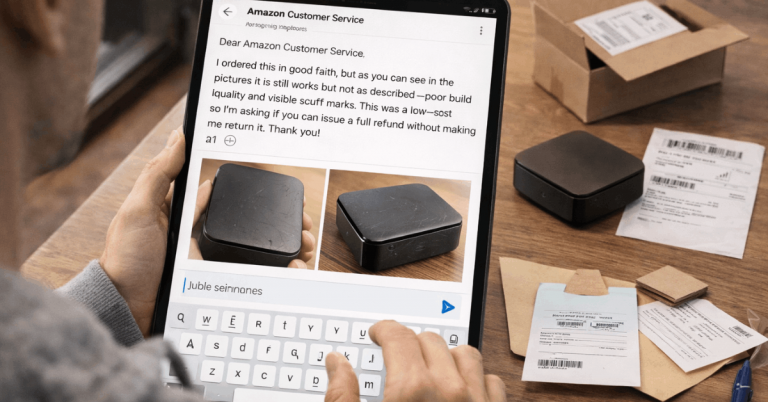
Cheap orders are only “worth it” if you can resolve issues without losing more money. Look for clear rules before you buy.
- Confirm return eligibility and the return window for your item category.
- Check who pays return shipping, since it can exceed the item price.
- Review refund conditions for “not as described,” damage, or missing parts.
- Know the evidence requirements, such as photos, unboxing proof, and screenshots.
- Prefer sellers with a resolution history, shown through recent review comments.
Product Authenticity and “Too Good to Be True” Deals
Cheap listings can include imitation or misrepresented items. You reduce risk by verifying signals you can see fast.
- Look for vague branding and missing manufacturer details on “name-brand” items.
- Check buyer photos for logos, labels, and differences in build quality.
- Compare specs to official dimensions and materials when you can.
- Watch for recycled photos used across multiple sellers with different prices.
- Avoid unclear warranties, especially on electronics and high-value categories.
Packaging Quality and Damage Risk
Cheap products often ship with minimal protection. You need to predict damage risk before the order ships.
- Scan reviews for packaging notes like dents, broken parts, or missing accessories.
- Choose tracked shipping for fragile items to reduce loss and handling issues.
- Check “what’s included” so you can prove missing parts in a dispute.
- Prefer sellers with consistent packaging mentioned in recent feedback.
- Avoid fragile items when the listing has no protection details.
Sizing, Fit, and Compatibility Checks
Many “cheap product failures” are really spec failures. You avoid that by verifying fit and compatibility up front.
- Use measurements, not size labels, for clothing and accessories.
- Confirm model compatibility for cases, parts, and tech accessories.
- Check material descriptions to predict stiffness, thickness, and durability.
- Read the lowest ratings to see common sizing or fit complaints.
- Message the seller with one clear question and judge the clarity of the reply.
Smart Buying Strategy: Make Cheap Work for You
A smart strategy helps you get value from cheap products without letting quality issues or delivery delays erase your savings.
Use these steps to keep your risk low and your results consistent.
- Start with a small test order to confirm quality, sizing, and delivery performance before you buy more.
- Only buy multiples after success, so you do not repeat the same mistake across several items.
- Save proof early by screenshotting the listing, specs, and delivery estimate in case you need a dispute.
- Choose safer payment options that support disputes and refunds when the item arrives wrong or damaged.
- Avoid vague listings by skipping products with unclear measurements, missing material details, or inconsistent photos.
Final Considerations
Cheap products are worth it when you choose simple items, verify specs quickly, and buy from sellers with recent, consistent feedback.
You should treat delivery time, tracking quality, and return rules as part of the real price before you check out.
Use the checklist in this guide, place a small test order first, and apply these steps to your next international marketplace purchase.