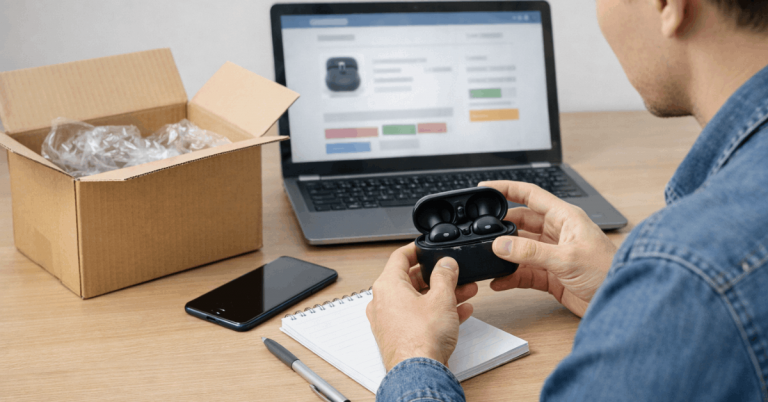
A damaged parcel gives you very little time to act. The box may be crushed, an item cracked, or a device may fail.
What happens in the first hour can affect whether a seller, marketplace, or carrier understands the problem.
This guide explains how to protect the item and your claim without making the situation worse.
Leave the Package and Item as You Found Them
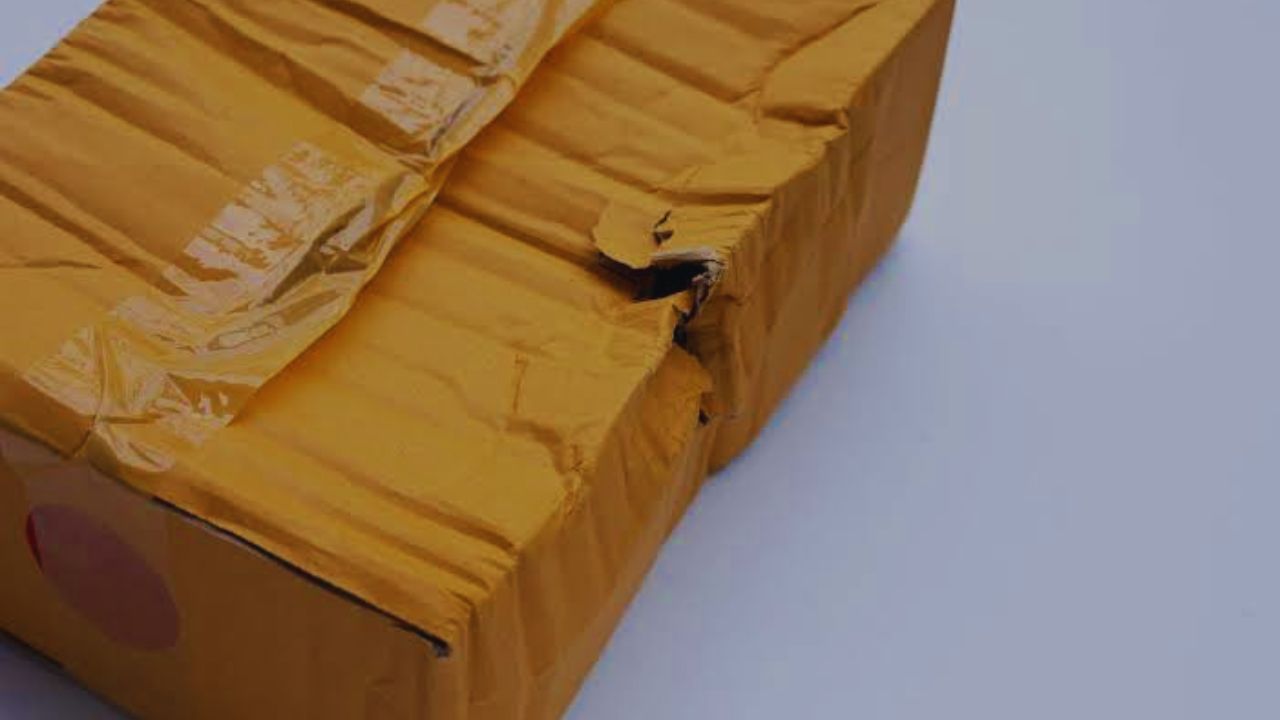
Before fixing a dent, wiping a leak, or testing every feature, pause. Keep the item, inserts, and box as they arrived.
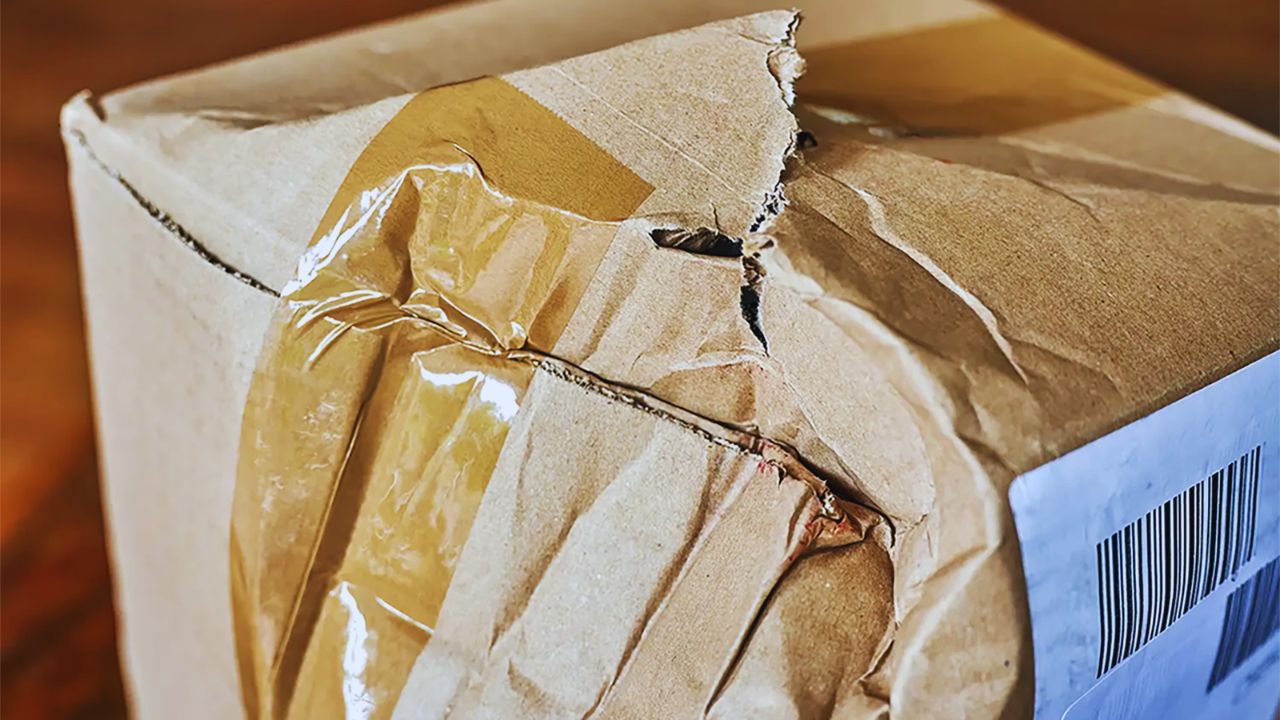
A seller may need to know whether the issue came from poor packing, transit impact, or a manufacturing fault.
More handling can blur that answer. First preserve the condition and the evidence.
Check Whether the Damage Affects Safe Use
Some flaws are cosmetic; others make an item unsafe or unusable. A shallow mark on a storage box differs from a cracked screen, leaking container, bent plug, broken blade, swollen battery, or loose electrical part.
Do not power, charge, plug in, taste, apply, or use anything that seems unsafe. Set it aside safely and document the issue. Protecting yourself matters more than proving a defect through extra testing.
Photograph the Route From the Box to the Problem
Support teams need a visual sequence, not one close-up taken at any time. Photograph the unopened parcel from several sides, its shipping label, torn tape, crushed corners, and wet or punctured areas.
Then show the inner packing, how the item sat inside, the product, and the damage. These images connect the parcel to the problem.
Keep Photos Clear, Dated, and Useful
Use good light and take wide and close views. A wide image gives context; a close image captures cracks, dents, loose seams, or missing parts.
Photograph the model label or product code if relevant, while covering private delivery details and sensitive serial information.
A short video may help when a fault appears during basic use, but avoid risky tests. Clear photos beat dramatic descriptions.
Match the Evidence to What the Listing Promised
Open the order page before the listing changes. Save the selected variant, description, included parts, delivery promise, return terms, tracking history, and delivery confirmation.
A damaged item may also be incomplete or wrong, affecting the case. Compare it with the selected option, not the main marketing photo. Your claim should show the difference between the promise and delivered item.
Note the Delivery Date and Every Deadline
International marketplaces often set separate timelines for reporting damage, requesting a return, opening a dispute, and escalating an unresolved case.
Find those dates on the order page as soon as you identify a problem. Do not rely on a seller saying, “Please wait,” if the deadline is nearing.
A case opened while you are eligible can be updated later; a missed deadline may end your options. The important date is the one in the platform’s rules.
Decide What Would Actually Solve the Problem
A full refund may be reasonable when the item cannot be used, the damage is serious, or a return would be impractical. A replacement may make sense if you still need the product and the seller can send the correct item safely.
A partial refund can fit a small flaw only when you genuinely want to keep it. Decide before messaging, so your request has a clear outcome and a sensible reason.
Also Read: When Cheap Products Are Actually Worth It
Do Not Accept a Quick Offer Without Reading It
Some sellers offer a small refund to close a problem fast. That can work for a minor cosmetic issue, but it may be a poor trade for an unusable item, a missing essential part, or a product with safety concerns.
Check whether accepting the offer closes the dispute, waives a return, or ends buyer protection. Do not let the urgency of a message decide the value of your loss or your rights.
Write a Short Message That Support Can Follow
Keep the first message factual. State the order number, delivery date, item, damage, and desired resolution. Attach useful photos: outer packaging, inner packing, the product, and the affected area.
Explain whether the damage prevents normal use. Avoid long arguments or accusations; the goal is to make the sequence easy to verify. A concise timeline gives the seller and platform a clear starting point.
Keep Every Conversation Inside the Marketplace
Do not move to a private app, outside email, or payment link to resolve the matter. Marketplace messages are tied to the order and can be reviewed during a dispute.
If the seller asks you to wait, send the return privately, or close a case before a replacement arrives, keep the official process open until the solution is complete. On-platform communication protects your record and your leverage.
Use the Resolution Process Before the Window Closes
Open the case under the closest reason, such as damaged on arrival, not as described, or missing components. Upload files in order: package, padding, item, damage, and listing proof.
Include a brief timeline that matches your screenshots. Follow any official return instructions exactly, but do not ship anything until the platform confirms the address, carrier, and timing.
A correctly filed case is more useful than repeated messages.
Return the Item Only Through the Approved Route
International returns can cost more than buyers expect, and some products have special restrictions.
Check who pays postage, whether a prepaid label is available, and whether batteries, liquids, cosmetics, or other regulated goods require another process.
Photograph the item and accessories before packing, then take a final photo of the sealed return box. Use tracked shipping and retain the receipt. Each step protects the refund and the return record.
A Ten-Minute Damage Check Before You Put Anything Away
Use this short routine while the box, order page, and item are still together. It prevents small gaps in evidence from becoming long disputes later. Keep the packaging and your screenshots until the issue is settled.
- Photograph the sealed parcel, label, padding, and damaged item.
- Save the listing, delivery confirmation, and platform deadlines.
- Report the issue through the marketplace before the claim window ends.
Treat the Next Order as a Lesson, Not a Repeat Problem
You cannot remove every risk from international shipping, but patterns are worth remembering.
Avoid sellers with repeated reports of crushed parcels or poor support, and use tracked shipping for fragile, expensive, or time-sensitive purchases.
Save listings at checkout and inspect deliveries promptly. A calm response, careful evidence, and attention to dates give you the best chance of a fair outcome. Let records guide the next purchase, not the frustration from the last one.