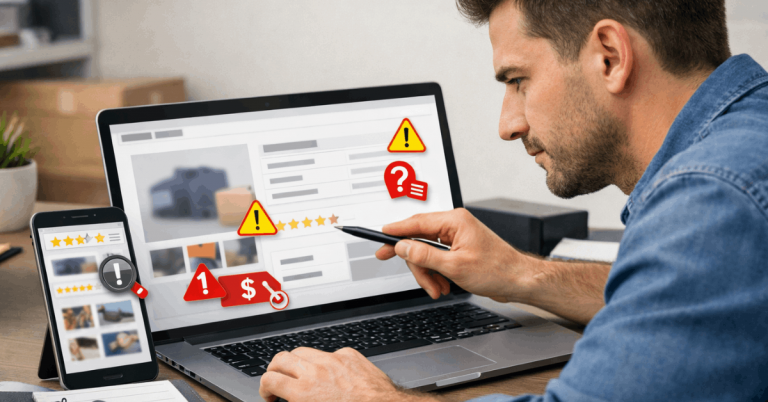
“Factory direct” is a label commonly used on international marketplaces, but its meaning is often unclear to buyers.
You may expect lower prices, better quality, and faster delivery, but real outcomes depend on how the seller actually operates.
Understanding what “factory direct” really means helps you avoid quality issues, delivery delays, and unreliable sellers.
How “Factory Direct” Is Commonly Defined Online
Online marketplaces use “factory direct” to suggest that products come straight from the source, bypassing traditional retailers.
In practice, the term can refer to manufacturers, authorized resellers, or third-party sellers using the label for appeal.
Because there is no standard definition, buyers often face confusion about product quality and delivery expectations.
What Buyers Usually Expect From Factory Direct Listings
Factory-direct listings create strong expectations for price, quality, and delivery.
These assumptions often influence buying decisions before verification.
- Lower prices – Reduced costs are expected due to fewer intermediaries.
- Better quality – Consistent materials and direct factory quality control are anticipated.
- Faster delivery – Fewer handling steps are assumed to lead to quicker processing.
- Accurate listings – Product photos and specifications must match the delivered item.
- Direct support – Sellers closer to production are expected to provide clearer communication.

How Factory Direct Impacts Product Quality
Factory-direct sourcing can affect product quality, but results vary widely by seller and production controls.
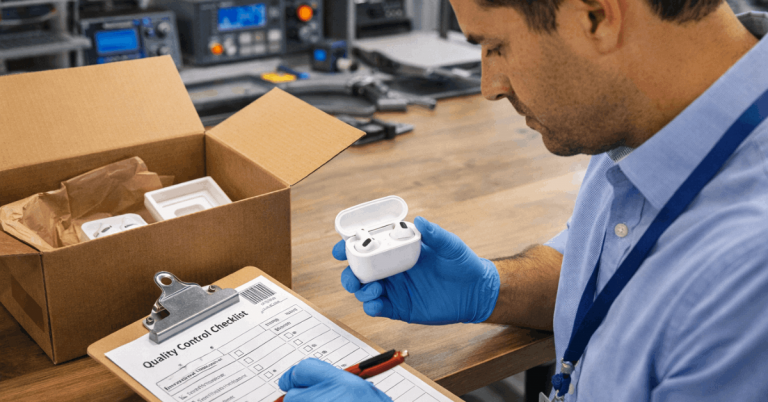
Quality depends on manufacturing standards, inspection processes, and batch-to-batch consistency.
- Quality control level – Oversight depends on whether inspections occur before shipment.
- Material consistency – Variations may appear between production batches.
- Manufacturing standards – Quality reflects factory processes and equipment.
- Product finishing – Assembly and finishing accuracy affect durability and appearance.
- Packaging quality – Protective packaging impacts the condition upon delivery.
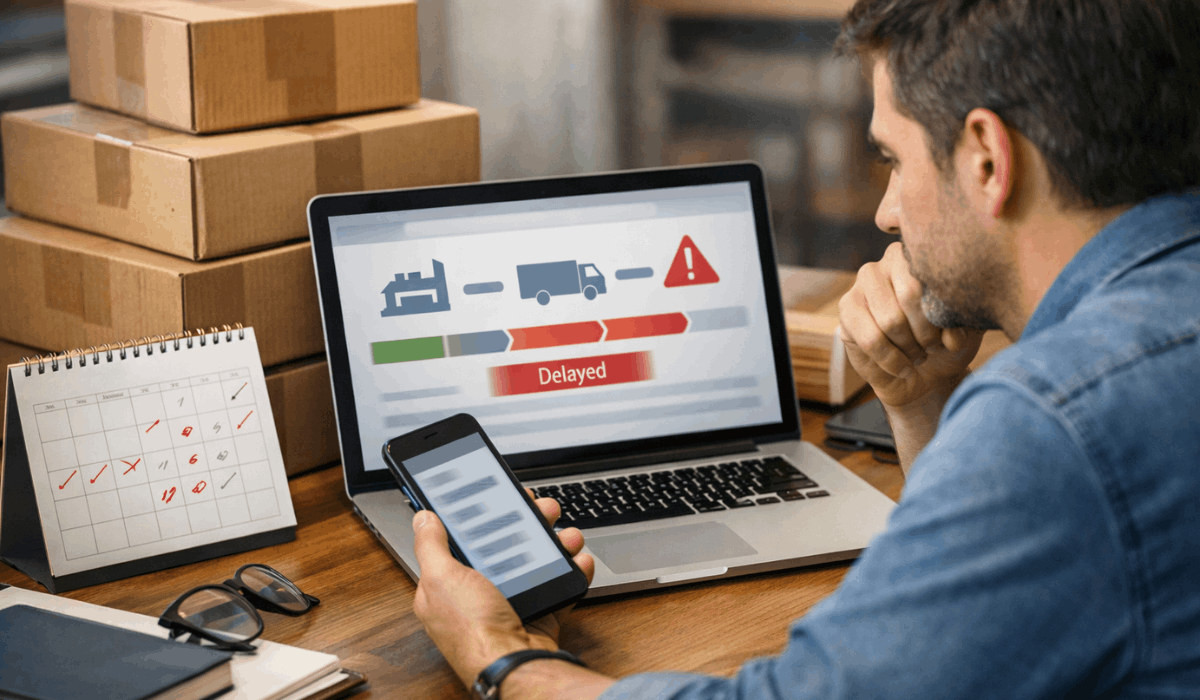
Delivery Realities of Factory Direct Orders
Factory-direct orders often involve longer, less predictable delivery timelines.
Shipping speed depends on production schedules, export handling, and international logistics.
- Production time – Orders may be made after purchase rather than shipped from stock.
- International shipping – Long-distance transit increases delivery duration.
- Customs processing – Inspections and duties can delay final delivery.
- Tracking gaps – Updates may be infrequent during transit stages.
- Last-mile delays – Local carriers can extend the final delivery time.
How to Verify If a Seller Is Truly Factory Direct
Verifying a factory-direct seller requires more than just checking the listing label.
Seller history, product consistency, and delivery feedback provide clearer indicators.
- Business information – Company details, location, and registration help indicate factory involvement.
- Product range consistency – Similar designs across listings suggest in-house production.
- Listing volume – Large quantities of the same item indicate manufacturing capacity.
- Buyer reviews – Feedback reveals patterns in quality and delivery performance.
- Response quality – Clear, specific answers indicate greater control over production.
How Pricing Really Works in Factory Direct Listings
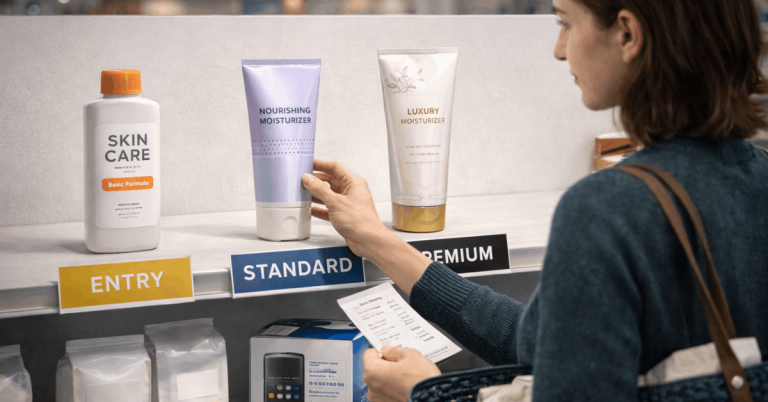
Factory-direct pricing is often assumed to be cheaper than standard marketplace pricing.
The final cost depends on production methods, logistics, and seller pricing strategy.
- Production costs – Material quality, labor rates, and factory efficiency influence base pricing.
- Order volume – Meaningful discounts usually apply only to larger quantity purchases.
- Shipping fees – International freight, fuel surcharges, and handling fees reduce savings.
- Taxes and duties – Import taxes, VAT, and customs fees increase the total cost.
- Seller margins – Some sellers maintain higher margins despite sourcing directly from factories.
Factory Direct vs Warehouse Shipped Products
Shipping origin affects delivery speed, handling, and overall reliability.
Factory fulfillment and warehouse shipping follow different operational models.
- Stock availability – Warehouses ship from ready inventory, while factories may produce after purchase.
- Quality checks – Warehouses often perform additional inspections before dispatch.
- Delivery speed – Warehouse shipping is generally faster and more predictable.
- Packaging standards – Warehouses usually use consistent, protective packaging methods.
- Return handling – Warehouse-based returns are easier and faster to process.
Packaging and Damage Risk in Factory Direct Shipping
Packaging quality directly affects the condition of the product on arrival. Factory shipments show wider variation in protective standards.
- Minimal packaging – Cost reduction may limit padding and protective materials.
- Long transit exposure – Extended shipping routes increase handling and movement risk.
- Stacking pressure – Inadequate packaging can lead to crushing or deformation.
- Environmental exposure – Heat, moisture, and humidity can affect product integrity.
- Customs handling – Repacking during inspections may increase the risk of damage.
Communication Gaps With Factory-Based Sellers
Clear communication is essential for order accuracy and issue resolution. Factory sellers often prioritize production over other factors.
- Time zone differences – Large time gaps can delay responses and updates.
- Language barriers – Translation issues may affect specifications and the resolution of problems.
- Limited sales staff – Factories prioritize manufacturing over customer communication.
- Slow problem resolution – Production workflows can delay corrective actions.
- Incomplete updates – Shipping and production progress may not be clearly explained.
Dispute Resolution and Buyer Protection Limits
Factory direct purchases may complicate dispute resolution. Buyer protection depends heavily on platform rules and the quality of evidence.
- Short dispute windows – Claims must be submitted within limited timeframes.
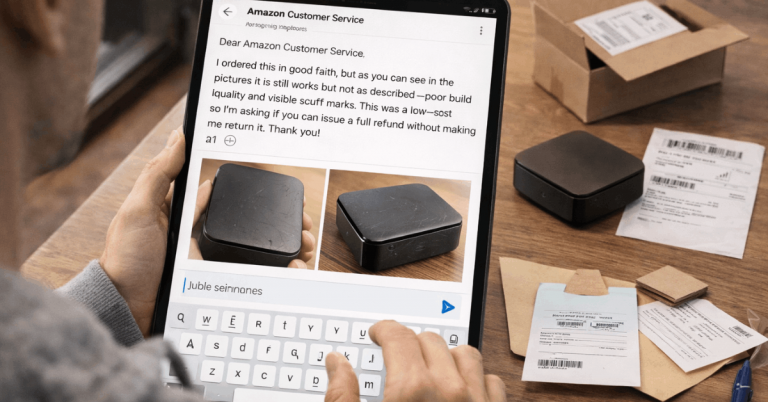
- Proof requirements – Photos, videos, and documentation are often mandatory.
- Return shipping costs – International return shipping can be expensive and slow.
- Partial refunds – Sellers may propose compensation instead of full refunds.
- Platform enforcement limits – Final outcomes depend on marketplace dispute policies.
Common Problems Buyers Face With Factory Direct Claims
Factory-direct claims can create expectations that are not always met in actual purchases.
Problems often occur after payment, during delivery, or upon receipt.
- Inconsistent quality – Products may vary between orders or batches.
- Extended delivery times – Production and international shipping cause delays.
- Misleading listings – Photos or specifications may not match the delivered item.
- Limited customer support – Communication can be slow or unclear.
- Difficult returns – Return processes are often costly or restricted.
When Factory Direct Is Worth It
Factory-direct purchases can be a good option in certain buying situations. Value depends on product type, timing flexibility, and quality expectations.
- Custom products – Direct sourcing supports customization and special specifications.
- Bulk orders – Larger quantities often reduce per-unit costs.
- Simple items – Basic products with few components carry a lower quality risk.
- Price-focused purchases – Cost savings matter more than speed or branding.
- Non-urgent orders – Flexible timelines reduce delivery-related frustration.
When Factory Direct Is Not the Best Option
Factory direct is not suitable for every type of purchase.
Certain products and situations carry a higher risk when buying directly from the source.
- Branded products – Authenticity and warranty concerns are more common.
- Complex items – Precision or technical products require stricter quality control.
- Urgent purchases – Long production and shipping times create delays.
- High-value orders – Disputes and returns involve greater financial risk.
- Strict return needs – Limited return options reduce buyer protection.
Key Takeaways for Buyers
Factory-direct labels do not guarantee better quality, lower prices, or faster delivery.
Product outcomes depend on seller transparency, quality control, and international shipping factors.
Check seller history, reviews, and delivery details carefully before placing an order.