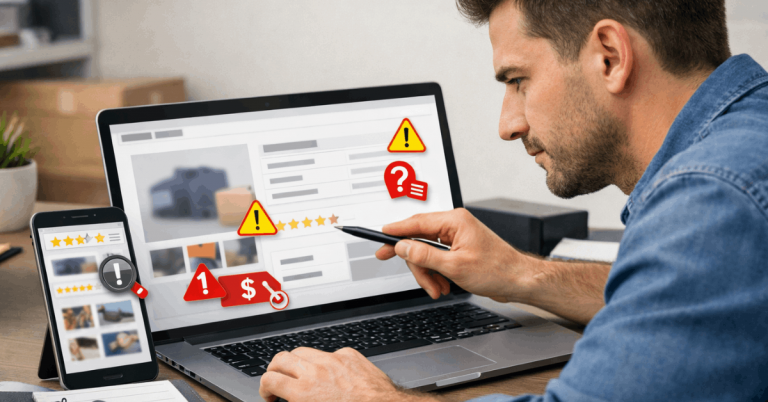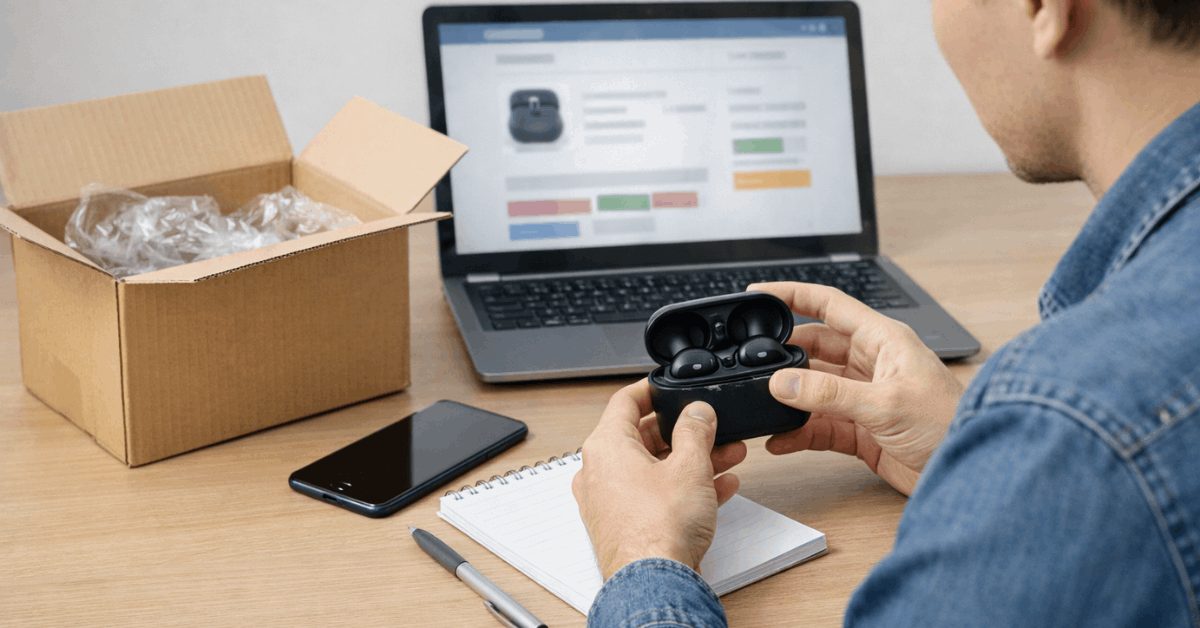
Testing product quality right after delivery helps you avoid missed deadlines and unresolved disputes when buying from international marketplaces.
You need to confirm that the item matches the listing, works as expected, and shows no hidden defects before buyer protection expires.
A simple, structured inspection protects your money and gives you clear evidence if something goes wrong.
First Checks to Do as Soon as the Package Arrives
The first minutes after delivery matter because buyer protection and return windows are limited.
Early checks help you catch problems while the platform is still available to help.
- Inspect the outer packaging: Look for dents, tears, water damage, or handling marks.
- Check the package seal: Watch for broken seals, extra tape, or resealing signs.
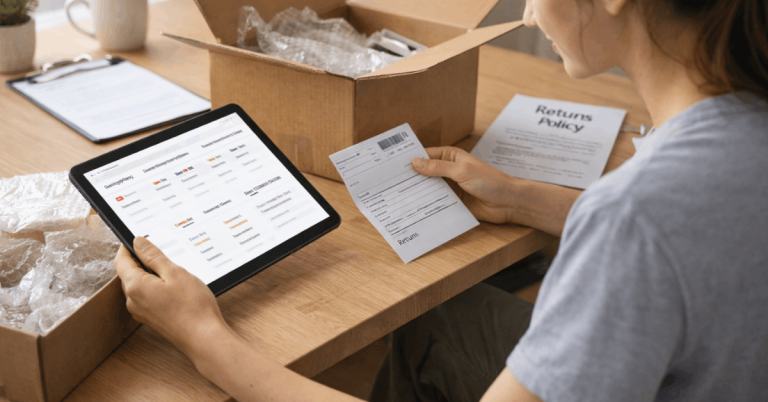
- Verify shipping details: Confirm the label matches your name, address, and order.
- Open the package carefully: Avoid damaging the item during opening.
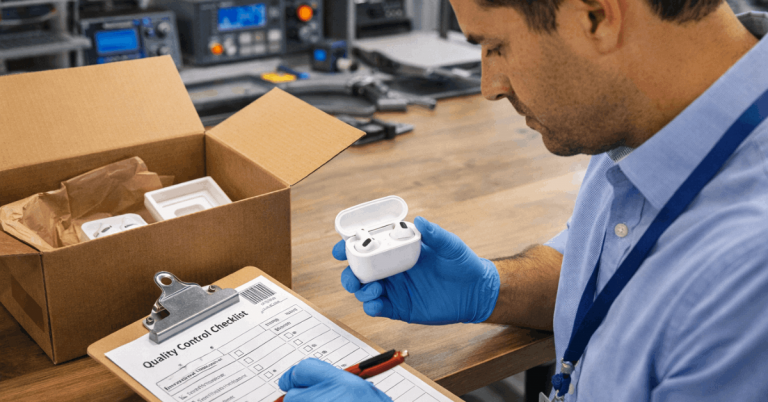
- Check all contents: Make sure the product, accessories, and manuals are included.
- Compare with the order: Match model, size, color, and quantity to the listing.

Visual and Physical Quality Inspection
A close visual and physical check helps you spot defects that may not appear in photos or listings. These issues often affect durability, safety, and long-term use.
- Check overall appearance: Look for scratches, dents, stains, or uneven finishes.
- Inspect materials closely: Compare the material quality to what was advertised in the listing.
- Test structural stability: Gently apply pressure to detect loose parts or weak joints.
- Examine edges and seams: Watch for rough edges, poor stitching, or gaps.
- Check moving parts: Open, close, or adjust components to ensure smooth movement.
- Note unusual smells or residue: Strong odors or residue can signal low-quality materials.
Functional Testing Based on Product Type
Functional testing confirms whether the product works as promised and fits your intended use.
Testing early helps you identify performance issues before return or dispute deadlines.
- Power on and basic operation: Turn the item on and confirm it starts and runs normally.
- Test core functions: Use the main features the product was purchased for.
- Check consistency during use: Watch for interruptions, delays, or unstable behavior.
- Listen and feel during operation: Note unusual noises, vibration, or heat.
- Test controls and settings: Buttons, switches, and adjustments should respond correctly.
- Simulate real use: Use the product in a normal scenario to confirm reliability.
Comparing the Product to the Original Listing
Comparing the delivered item to the original listing helps confirm whether the seller met their promises.
This step is essential for identifying misrepresentation and, if needed, supporting a dispute.
- Match product photos: Compare the item’s design, color, and details to the listing images.
- Check specifications: Verify size, capacity, materials, and technical details match the description.
- Confirm included items: Ensure the accessories and extras shown in the listing are included.
- Review stated features: Test any claimed functions or performance points.
- Check branding and labels: Confirm logos, model numbers, and markings match what was advertised.
- Look for substituted versions: Watch for generic or downgraded replacements.
Documenting Issues the Right Way
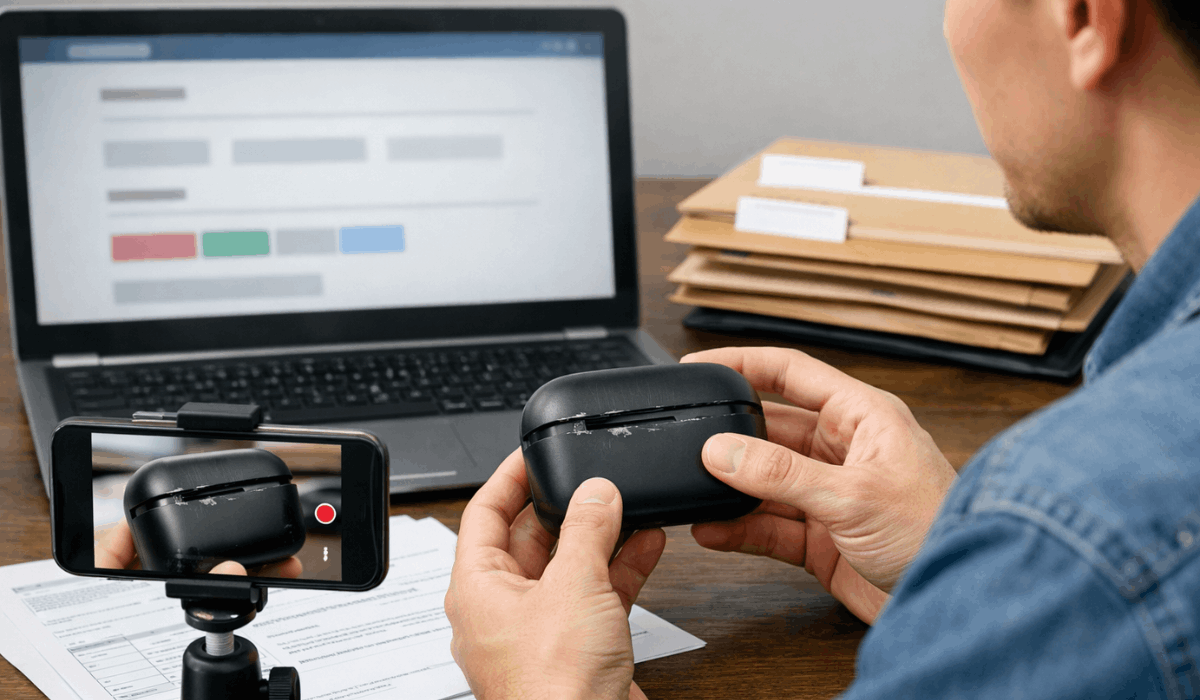
Proper documentation protects you if you need a refund, return, or dispute. Clear evidence makes it easier for platforms to verify your claim and act quickly.
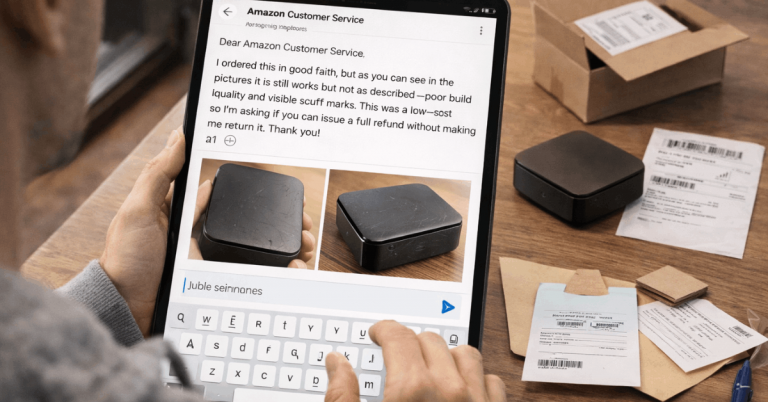
- Take clear photos: Capture defects, damage, and packaging from multiple angles.
- Record short videos: Show functional problems while the product is in use.
- Photograph labels and serial numbers: Document model details and identifiers.
- Save order records: Keep invoices, order confirmations, and tracking details.
- Store seller messages: Preserve all communication related to the issue.
- Organize files clearly: Label evidence by date and issue for easy submission.
How Delivery Conditions Affect Product Quality
Delivery conditions can damage products even when sellers ship correctly.
Understanding this helps you distinguish between shipping damage and manufacturing defects.
- Crush damage from stacking: Heavy parcels can deform fragile items.
- Moisture exposure: Rain or humidity can damage electronics and fabrics.
- Temperature extremes: Heat or cold may affect batteries, plastics, or liquids.
- Poor internal padding: Insufficient protection increases impact risk.
- Delayed transit effects: Long shipping times can worsen material degradation.
How to Distinguish Shipping Damage from Seller Fault
Knowing the source of damage helps you file the right claim. Platforms often evaluate responsibility based on evidence.
- Damaged box, damaged item: Often points to courier handling issues.
- Intact box, damaged item: Usually indicates a seller or factory fault.
- Missing internal packaging: Suggests poor seller preparation.
- Repeated defect patterns: Matches common seller quality complaints.
- Photos at delivery time: Strongly support your claim direction.
How Product Quality Impacts Long-Term Seller Reliability
Product quality is a key indicator of a seller’s reliability over time. One bad item often reflects broader seller behavior.
- Inconsistent quality across orders: Indicates weak quality control.
- Generic substitutions: Suggest cost-cutting practices.
- Poor response to defects: Signals weak after-sales support.
- Recurring listing changes: Often used to hide complaints.
- Negative review patterns: Predict future delivery and quality issues.
Timing Matters: When to Test and Report Problems
Timing affects whether you can get a refund or replacement on international marketplaces.
Testing and reporting issues early keeps your buyer protection active.
- Test immediately after delivery: Do not wait until you need the product later.
- Check platform deadlines: Review return and dispute time limits right away.
- Report issues as soon as you find them: Early reports carry more weight with support teams.
- Avoid extended use before reporting: Heavy use can weaken your claim.
- Contact the seller promptly: Give them a chance to respond within the allowed window.
- Escalate before the deadline expires: Open a dispute if the seller delays or ignores you.
Red Flags That Indicate Poor Product Quality
Certain warning signs recur in international purchases and often signal deeper quality issues.
Spotting these red flags early helps you decide whether to return, dispute, or avoid future purchases.
- Strong chemical or plastic odors: Often linked to low-quality or unsafe materials.
- Loose or uneven parts: Suggest poor assembly or weak construction.
- Mismatch in color or finish: Indicates cost-cutting or product substitution.
- Missing manuals or labels: May signal unofficial or downgraded versions.
- Performance far below expectations: Core functions do not work as advertised.
- Inconsistent quality across components: Some parts look finished while others do not.
What to Do If the Product Fails Quality Checks
When a product does not meet quality standards, acting quickly and calmly improves your chances of a fair outcome.
Clear steps help you resolve the issue without missing protection deadlines.
- Stop using the product: Further use can weaken refund or return claims.
- Gather your evidence: Prepare photos, videos, and order records.
- Contact the seller clearly: Explain the issue and request a solution.
- Follow platform procedures: Use official return or dispute tools.
- Watch response timelines: Do not wait past escalation deadlines.
- Leave an accurate review: Share factual details about quality and resolution.
Final Section: Testing Early Protects Your Purchase
Testing product quality as soon as your order arrives helps you protect your money and avoid missed dispute deadlines on international marketplaces.
Careful inspection, proper documentation, and timely reporting give you control even when sellers or deliveries fall short.
Always test early, keep clear records, and act fast so you can shop with confidence and make informed buying decisions.