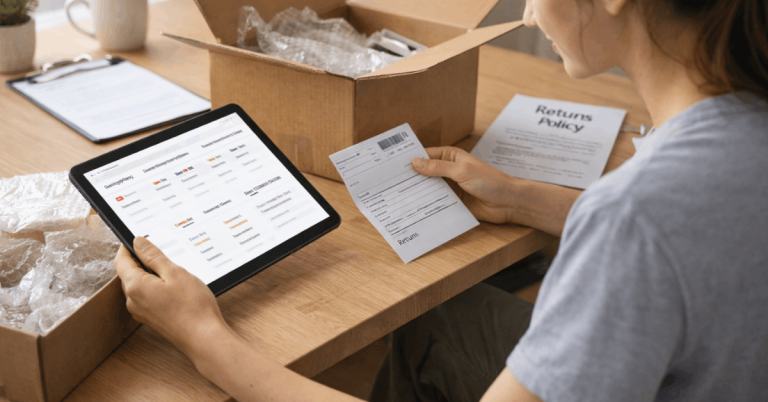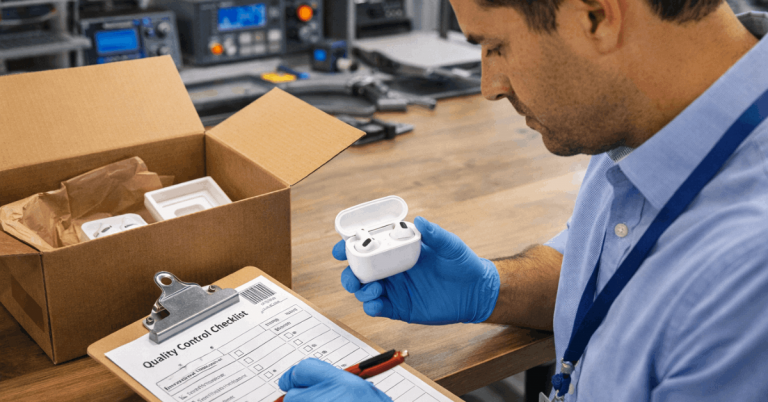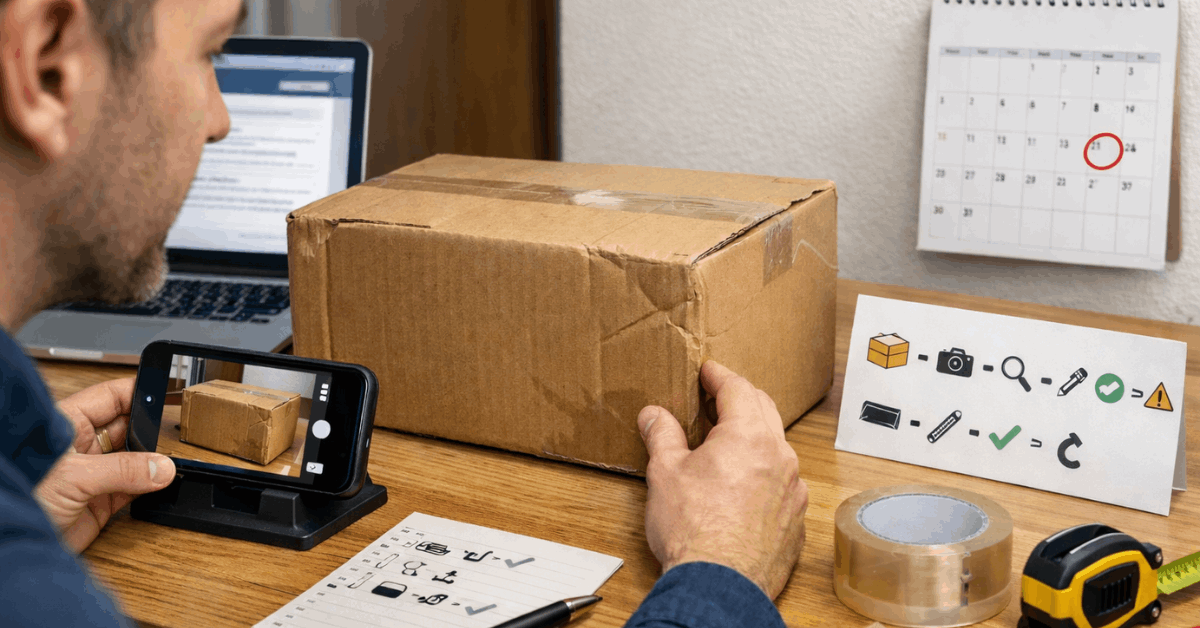
How Long You Should Inspect Products After Delivery depends on the return and dispute window, so you should start checking the moment it arrives.
You can confirm the item, packaging, and any obvious defects within the first 10 minutes, then verify the function and any missing parts within 24 to 72 hours.
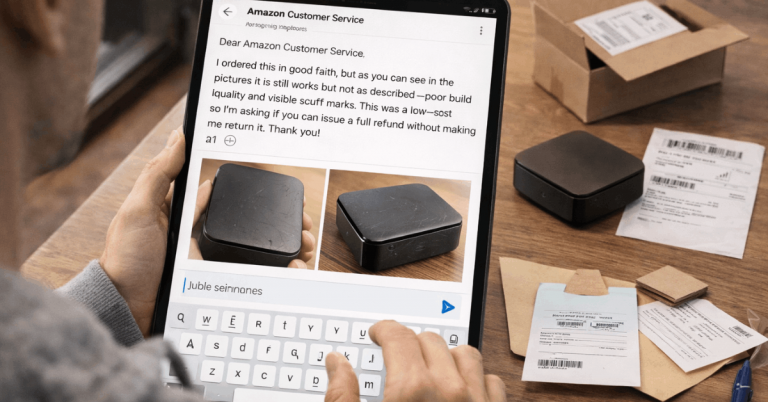
You protect your refund options by saving proof and messaging the seller before deadlines.
What “Inspection Time” Means for Cross-Border Orders
Inspection time is the short window after delivery during which the item is verified before the return and dispute deadlines.
For cross-border orders, it matters more because shipping damage, wrong variants, and slow seller replies can push you past deadlines fast.
The First 10 Minutes After Delivery
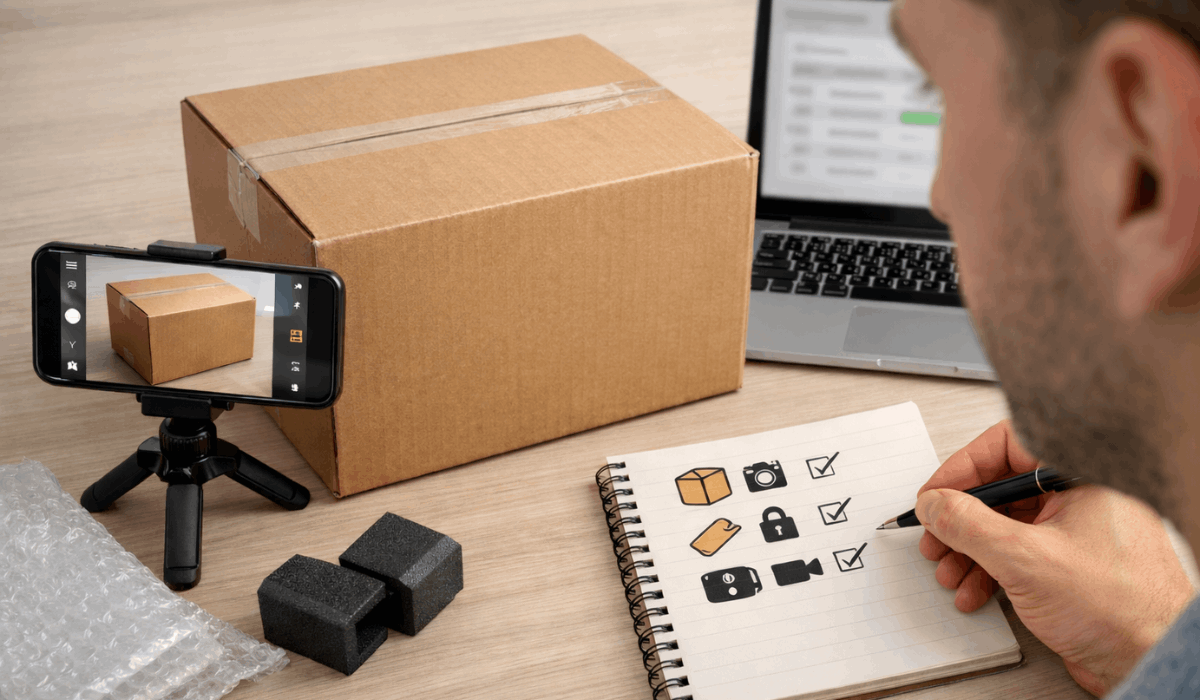
The first 10 minutes determine whether you have strong proof for a return or a dispute.
You focus on package condition, label accuracy, and clean documentation before anything gets moved or thrown away.
- Photograph the box on all sides before opening, including corners and any dents, tears, or wet spots.
- Capture the shipping label and tracking details so the order can be matched to the package.
- Record seals and tape lines to show whether it arrived opened or re-taped.
- Film a quick unboxing start so the condition looks continuous and not staged.
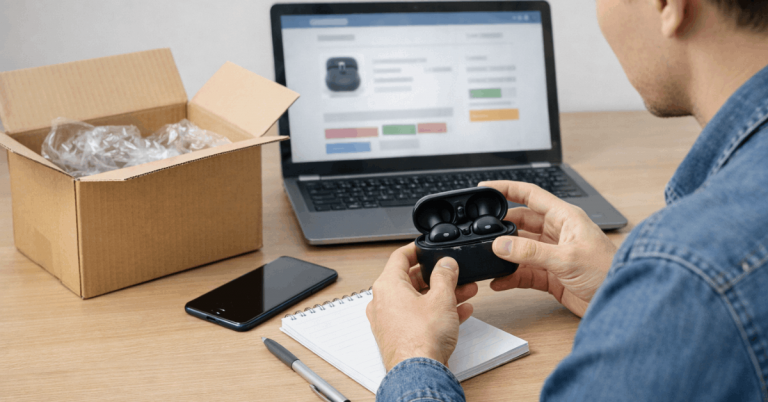
- Open carefully and keep the packaging intact so you can re-pack or prove shipping damage.
- Lay out every item you remove and take one wide photo showing what was inside.
- Stop immediately if you see damage or a mismatch and take close-up photos before you continue.
The First 30 Minutes After Unboxing
The first 30 minutes after unboxing are when you confirm you received the exact item you paid for and spot obvious build or damage issues.
You also collect clean proof while the packaging, parts, and condition are still easy to show.
- Confirm the exact variant (model, size, color, storage, plug type) against the listing and order page.
- Check completeness quickly by laying out all parts, accessories, and manuals in a single wide photo.
- Inspect high-risk areas such as corners, seams, edges, hinges, clips, and connectors.
- Look for signs of shipping damage, such as cracks, bends, dents, loose joints, or a scraped finish.
- Do a basic power/function check that matches normal use (turn on, charge, connect, open/close).
- Test fit and compatibility for cables, ports, adapters, and mounting points without forcing anything.
- Take close-up photos of any issue with one wide shot for context and one tight shot for detail.
The First 24 Hours
The first 24 hours are for real-use checks that reveal issues a quick unboxing can miss.
You test performance in normal conditions and lock in proof while the return window still feels wide.
- Use the item the way you actually bought it for and keep the session short and controlled.
- Verify stability over time by checking for heat, noise, wobble, looseness, or intermittent failure.
- Confirm charging and power behavior, like battery drain, adapter fit, and cable connection strength.
- Check core features one by one so you can show exactly what fails and when.
- Inspect again after use for new marks, peeling, cracking, or parts that have shifted out of alignment.
- Compare to listing claims using screenshots of specs, photos, and included items.
- Organize the proof in a single folder, including photos, short videos, the order page, and timestamps.
The First 72 Hours
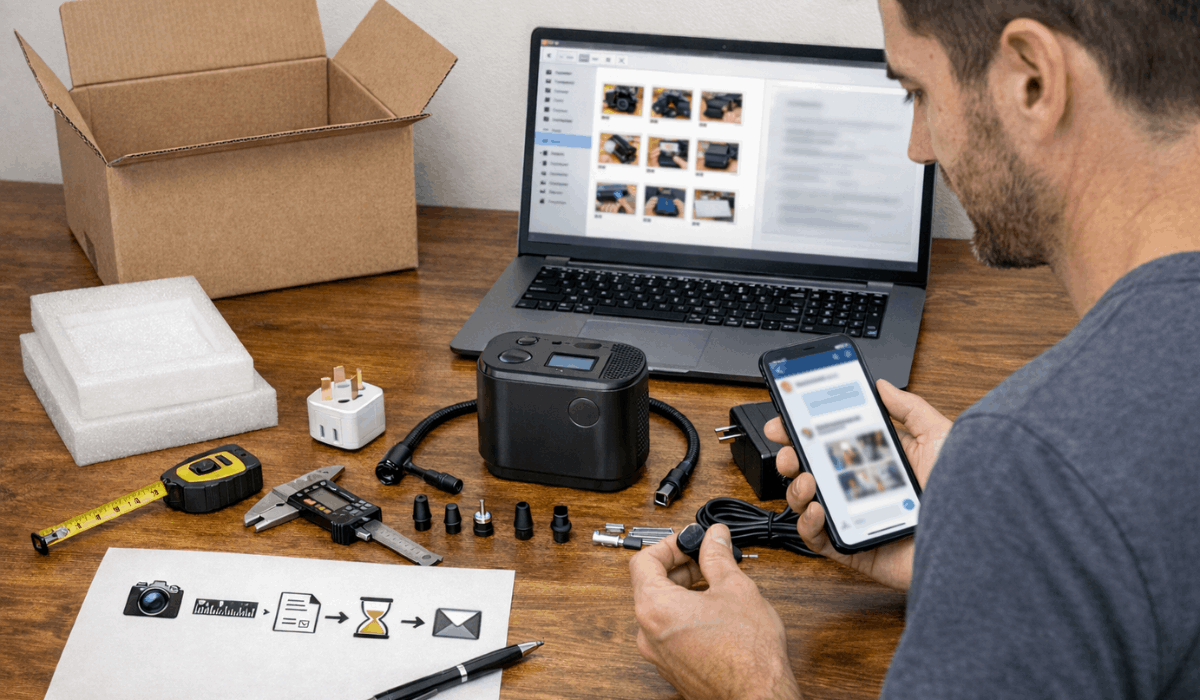
The first 72 hours are your final clean window to catch issues that appear after a little use and to prepare for a return, if needed.
You re-check the item, confirm completeness, and lock in evidence before deadlines or seller delays shrink your options.
- Do a second-pass inspection for alignment, wobble, noise, stiffness, and loose parts after light use.
- Re-test the core function to confirm any issue is repeatable and not a one-time glitch.
- Verify every included part (accessories, cables, screws, manuals) against the listing and photos.
- Check for finish and wear signs, such as peeling, discoloration, scratches, and coating chips at edges.
- Confirm compatibility details like plug type, voltage needs, sizing, and connector fit without forcing.
- Keep and evaluate packaging so you can re-pack safely and prove shipping conditions if required.
- Message the seller with proof using short text, clear photos, and one video if the problem is functional.
Category-Based Inspection Timelines
Here’s a category-based timeline so you know what to test first and what can wait a day or two.
You use it to catch the highest-risk problems early, then confirm longer-run issues before return and dispute deadlines.
Electronics (phones, tablets, earbuds, chargers)
- 0–30 min: confirm variant, power on, screen/body condition, ports, and included accessories.
- 24 hours: charging stability, battery drain, connectivity (Wi-Fi/Bluetooth), camera/speaker/mic basics.
- 72 hours: repeat tests for random disconnects, overheating, or intermittent faults.
Small appliances (kitchen gadgets, vacuums, fans)
- 0–30 min: cracks, loose parts, plug type, basic on/off, obvious noise or burning smell.
- 24 hours: run normal cycles/functions, check heat, vibration, and safety shutoffs if present.
- 72 hours: confirm performance stays consistent, and parts don’t loosen.
Fashion (clothes, bags, accessories)
- 0–30 min: size tag, color match, stains, tears, seam quality, zippers/snaps.
- 24 hours: fit and movement test, strap strength, lining issues, and color transfer risk.
- 72 hours: check peeling, loose threads, and hardware loosening after light use.
Shoes
- 0–30 min: size, sole glue lines, stitching, symmetry, odor, visible scuffs.
- 24 hours: indoor walk test, comfort pressure points, slipping, squeaks.
- 72 hours: confirm stitching/sole edges don’t separate under light use.
Home goods (decor, organizers, kitchenware)
- 0–30 min: chips, cracks, dents, sharp edges, missing parts, finish flaws.
- 24 hours: real-use test (load, placement, washing if applicable), check stability.
- 72 hours: confirm it holds weight and finishes don’t scratch/peel easily.
Furniture (flat-pack, chairs, small tables)
- 0–30 min: count hardware, check panels for cracks, warped parts, and damaged corners.
- 24 hours: assemble carefully, confirm stability, wobble, joint tightness.
- 72 hours: re-tighten and re-check joints after settling; look for new creaks or looseness.
Tools and hardware (drills, hand tools, fittings)
- 0–30 min: obvious damage, missing bits/parts, fit of moving pieces.
- 24 hours: basic operation under normal load, safety checks, battery/charger behavior.
- 72 hours: repeat use to confirm no slipping, overheating, or alignment drift.
Consumables (beauty, supplements, food items)
- 0–30 min: seal/tamper signs, leakage, crushed packaging, visible date codes if present.
- 24 hours: smell/texture check where appropriate, monitor for delayed leaks or swelling.
- 72 hours: document any reaction issues or packaging failures and stop use if anything looks unsafe.
A Simple Inspection Schedule You Can Follow
Here’s a simple schedule you can repeat for any cross-border delivery.
You move from fast proof capture to real-use testing, then finalize your decision before deadlines tighten.
- 0–10 minutes (arrival proof): Photo the box, label, and any damage before opening.
- 10–30 minutes (unbox + verify): Confirm variant, lay out parts, inspect weak points, and perform a quick function check.
- 30–60 minutes (reality test): Do one normal task and take a photo of any issue fast.
- Within 24 hours (normal-use test): Use normally, watch delayed faults, save listing/order screenshots.
- Within 48 hours (second pass): Re-check fit, noise, stability, and missing accessories.
- Within 72 hours (final decision): Organize proof, message seller, escalate if needed.
To Conclude
You protect yourself when you Inspect Products After Delivery fast, test normally within 24 to 72 hours, and save clear proof before deadlines shrink your options.
How Long You Should Inspect Products After Delivery is easier when you document in the first minutes and message the seller as soon as something looks wrong.
Use this inspection schedule on your next cross-border order and start checking the moment the package arrives.