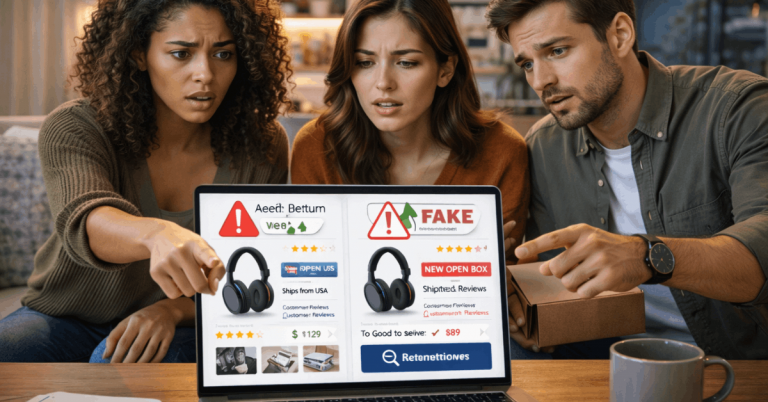
A promotion can make a marketplace listing feel urgent. A crossed-out price, a coupon running out, or “free shipping” can push an item from maybe to bought before you have read the details.
The question is not how large the discount looks; it is whether the order still makes sense once the pressure is gone.
This guide explains how marketplace promotions shape your choices, where extra cost can reappear, and how to decide whether a deal is useful.

A Promotion Has a Job Before It Has a Benefit
Most marketplace offers are designed to make a shopper act now, spend more, or choose one seller over another.

A platform may fund a voucher, a seller may cut a margin to clear stock, or the cost may be hidden in delivery, a smaller bundle, or reduced support. That does not make every sale misleading.
It means the discount is a business tool first, and a saving only when the product, final price, and terms suit your needs.
Who Pays for the Discount?
Someone absorbs every price cut. A seller may accept less profit to gain orders, while a platform may subsidize a campaign.
Sometimes the buyer pays indirectly through slower shipping, a less generous return route, a minimum spend, or a product version with fewer extras.
Read the selected option and checkout total before celebrating. A deal is stronger when the saving is clear and the conditions do not quietly worsen the purchase.
Reference Prices Need Context
A high reference price can make a modest drop look dramatic, even when the product rarely sells at that earlier amount. Compare the exact version with a few similar listings and consider what is included.
A cheaper page may be the same item from another seller, or it may omit an accessory, use another material, or ship from farther away. Judge the current total for the version you would actually buy.
Timers Are Not Deadlines
Flash labels, low-stock notices, and countdown clocks are meant to interrupt hesitation. Some offers do end, but many marketplace deals return in another campaign, reappear with a different coupon, or reset.
Do not assume you must buy because the timer is active. Save the listing, then revisit it after checking reviews, delivery terms, and alternatives. That pause separates a real need from temporary pressure.
Coupons Can Inflate the Cart
A voucher can be worthwhile when it applies to items you already planned to purchase. It becomes expensive when it makes you add products solely to reach a spending threshold.
Check whether the minimum spend, seller restriction, expiry date, and excluded categories change the outcome.
Also see whether a coupon combines with another offer or replaces a better discount. The useful figure is what you spend after removing the extra items you did not need.
Fine Print on Coins and Credits
Reward balances can look like free money, yet they may have short expiry periods, limited product eligibility, daily collection rules, or caps that reduce their real value.
They can encourage repeated visits and small impulse purchases that would not otherwise happen.
Use them when they lower the cost of a planned order, not as a reason to place one. Check the expiry and minimum before building a cart around a reward that may not apply.
Free Shipping Has Conditions
“Free” delivery may be built into the item price, offered only above a basket threshold, or tied to a slower route with wider delivery ranges. It can suit a low-priority household item, but it should not decide a purchase by itself.
Compare the final total with a listing that charges shipping separately and check the expected route after selecting your destination. For a fragile or time-sensitive product, the shipping method matters more than the word free.
Bundles Can Cost More
Buy-two-get-one deals and multi-item discounts can look efficient when each product will be used. They are less useful when the bundle includes sizes, colors, or accessories you would never choose alone.
Calculate the cost per usable item, then ask whether the additional pieces will sit unused.
This matters for clothing, beauty products, and household sets that cannot always be returned individually. A bundle should save money, not create clutter.
Also Read: How Marketplaces Handle Lost Packages
Sales Can Slow the Order
Big campaigns bring more orders into seller queues, warehouses, and carrier networks at the same time. That can mean slower dispatch, less detailed tracking, rushed packaging, and delayed replies when something goes wrong.
The item may still arrive as described, but the usual delivery estimate can become less dependable during a heavy sales week.
Do not buy a deadline-bound gift or repair item solely because the promotion is attractive. Treat the sale date and your arrival date as separate concerns.
Check Returns Before the Sale
A discounted item may still have standard return options, but policies can vary by platform, category, seller, destination, and item condition.
Before paying, confirm the return window, packaging requirements, possible fees, and whether you must send the item abroad.
Do not assume a “free return” label covers every product or every reason. Ask what happens if the wrong item arrives after the offer ends.
Pause Before Checkout
Promotions work best when they make you skip normal questions: Do I need this? Is this version right? Can it arrive in time? Could I return it?
Answer them after the coupon is applied and before payment. A minute of checking can prevent a larger problem than missing a small deal.
The review below keeps the offer tied to the product and your budget, rather than the feeling of getting something first.
A Short Promotion Check
Use this after selecting the exact item, size, color, or bundle you intend to buy. It is short enough to use during a sale, but it catches usual traps before payment. Keep the price and purpose in the same decision.
- Compare the final amount with similar listings, not the crossed-out reference price.
- Remove items added only to unlock a coupon, shipping threshold, or bundle.
- Confirm delivery and return terms still work for your location and deadline.
Buy the Product, Not the Deal
A worthwhile marketplace deal reduces the cost of something you already need without turning quality, timing, or return risk into a bigger problem.
Walk away when the reference price cannot be checked, the checkout total grows, or the offer makes you ignore an unclear listing.
A missed coupon is usually cheaper than a parcel you cannot use or return. Let clear value guide the order, and give yourself enough time to decide without a timer deciding for you.